Space Newsspace history and artifacts articlesMessagesspace history discussion forumsSightingsworldwide astronaut appearancesResourcesselected space history documents
advertisements
Splashdown! Artemis II crew is back on Earth after flyby of the moon
Artemis II mission coverage presented with the support of
April 10, 2026
— The first astronauts to fly by the moon in more than 50 years are back on Earth.
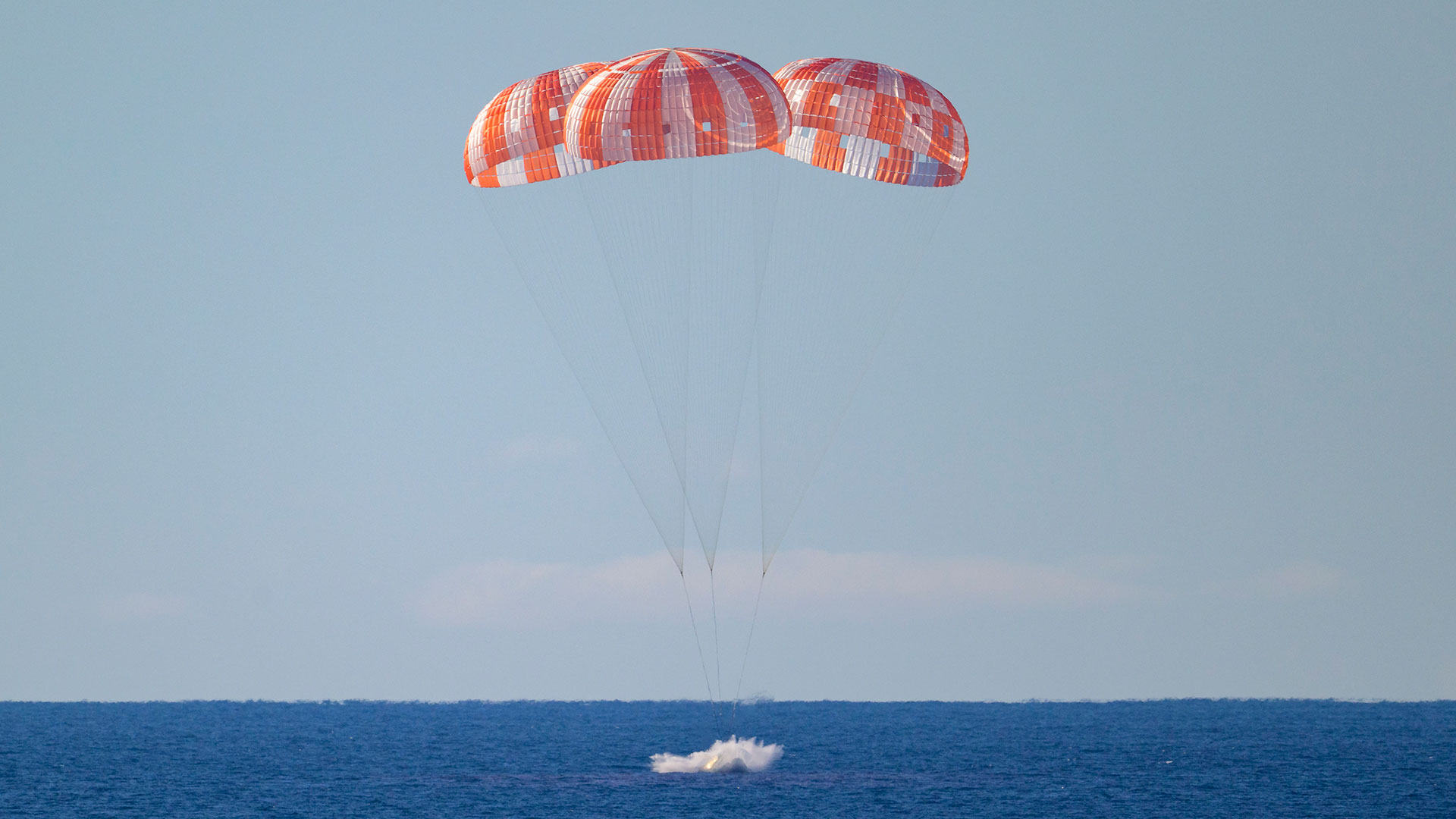
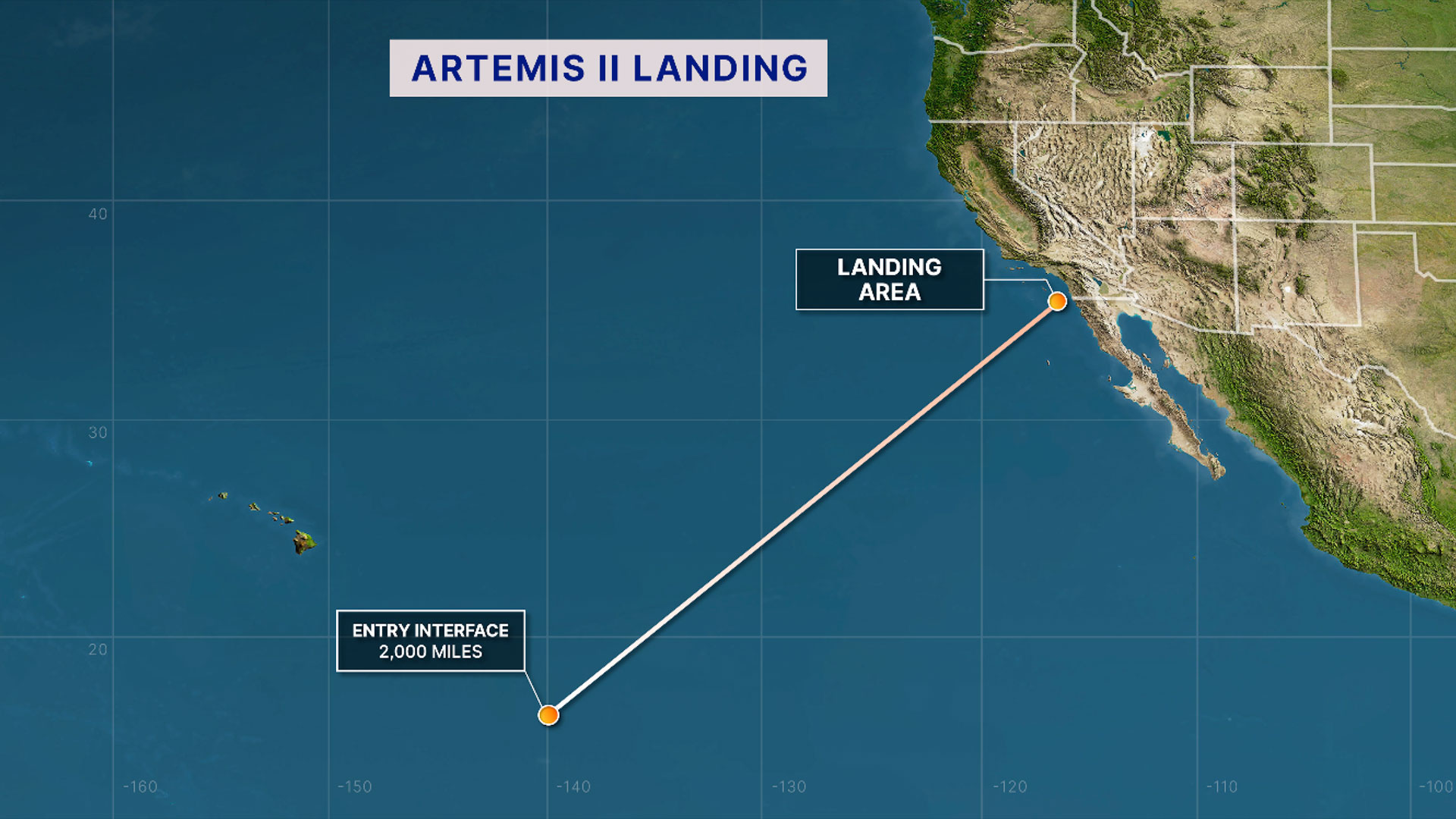
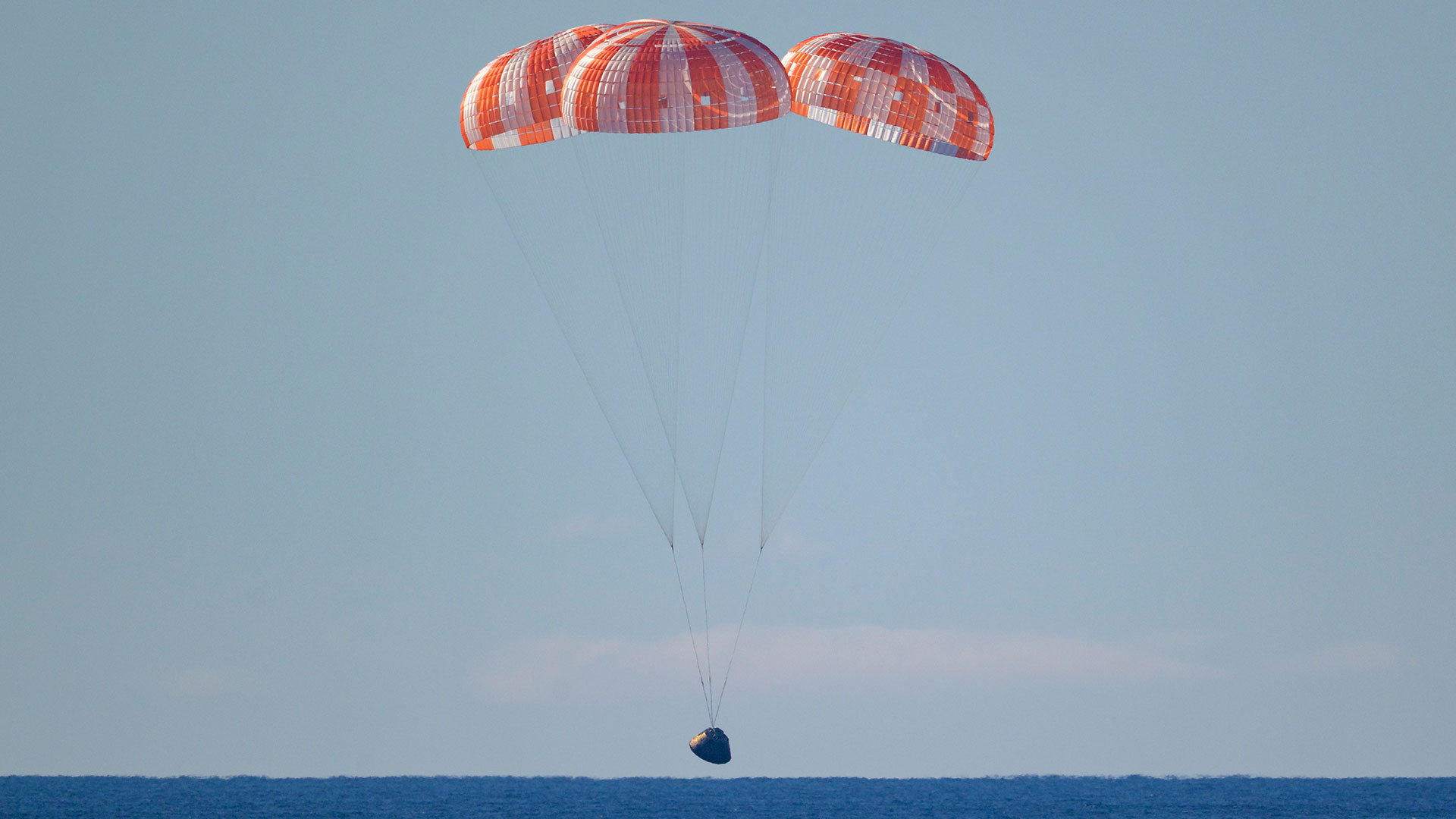
Artemis II mission commander Reid Wiseman, pilot Victor Glover and mission specialist Christina Koch, all with NASA, and Canadian Space Agency mission specialist Jeremy Hansen splashed down aboard their Orion spacecraft "Integrity" in the Pacific Ocean, off the coast of San Diego, on Friday (April 10).
The 8:07 p.m. EDT (5:07 p.m. PDT local time or 0007 GMT on April 11) landing brought to an end a history-making 10 days that for the majority of people alive was the first time humans traveled beyond low Earth orbit in their lifetime. The last time was during the Apollo 17 mission in 1972.
"What a journey! Four green crew members," radioed Wiseman to Mission Control just after splashing down. "Green" meant that the crew were all feeling good.
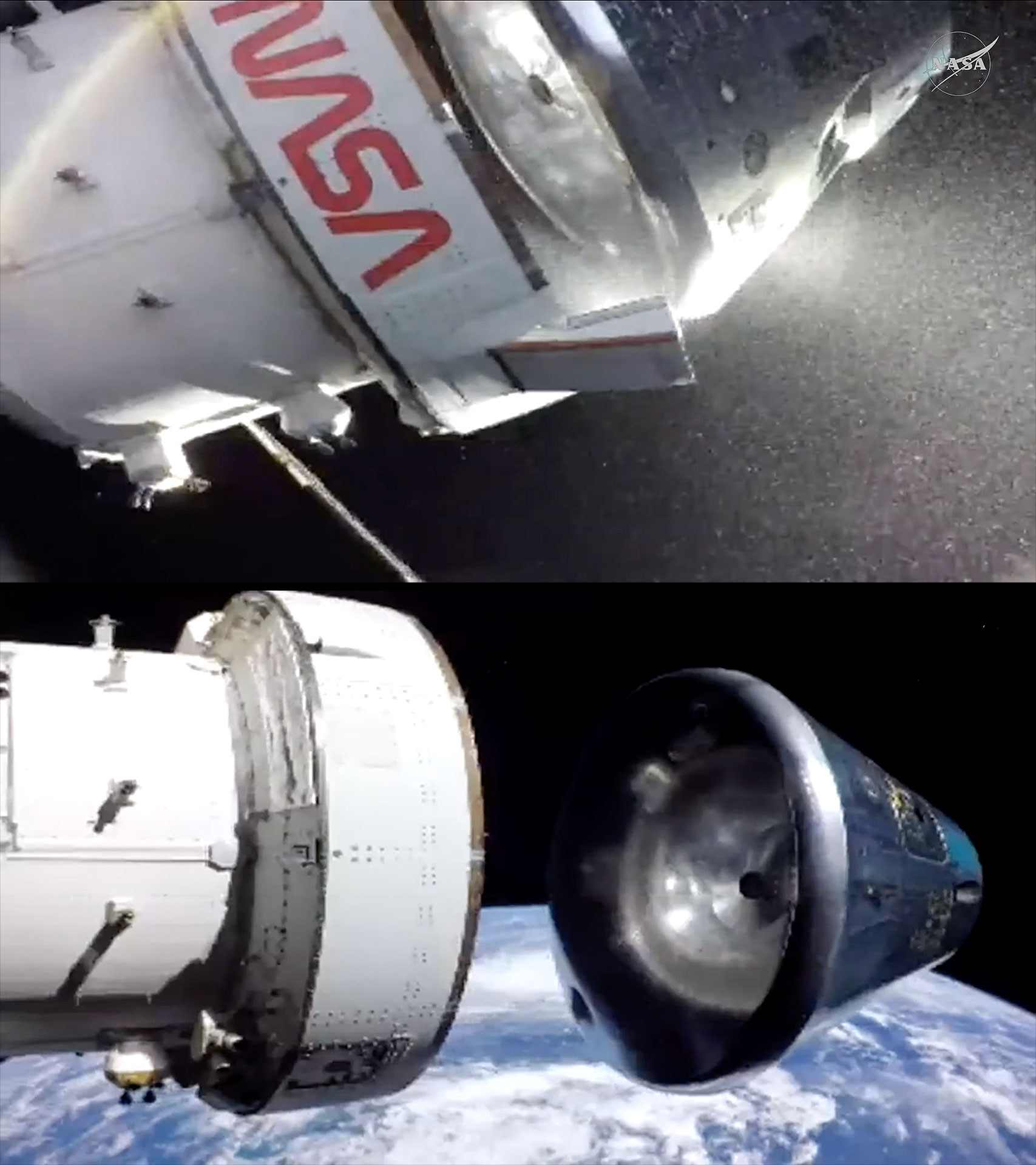
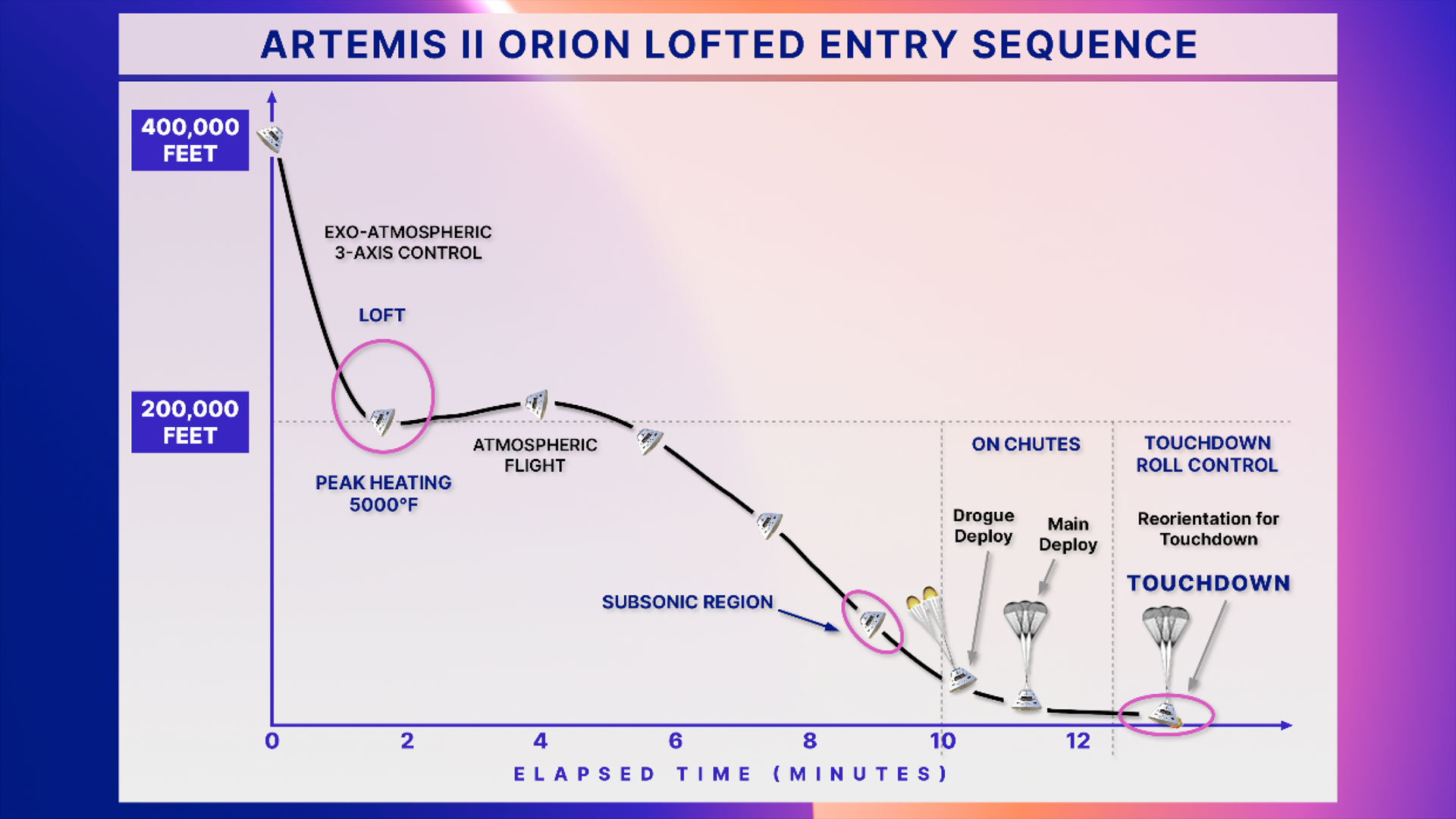
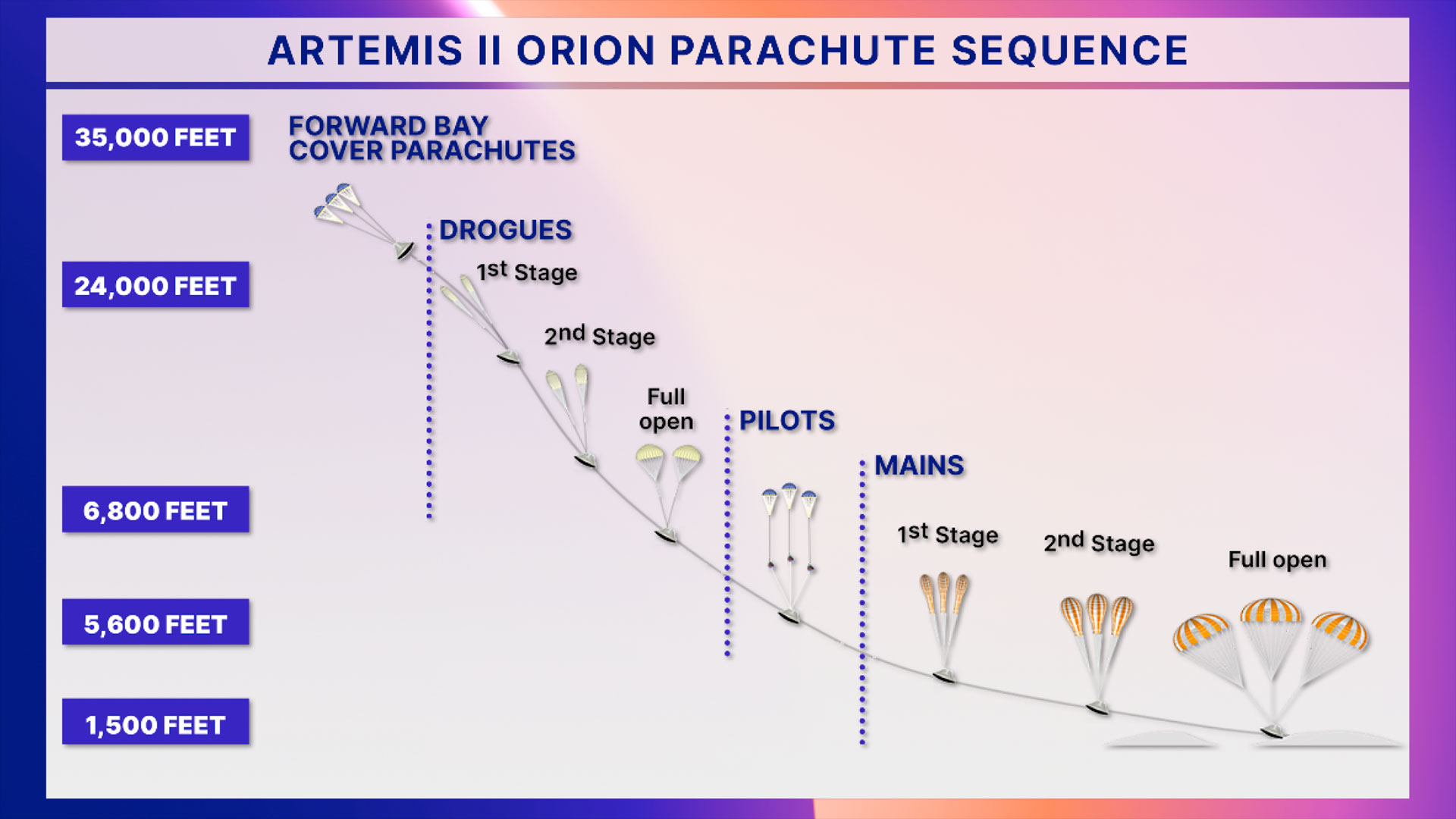
Plunging into the atmosphere at about 24,000 miles per hour (Mach 32), the Artemis II crew members experienced about 3.9 times the force of gravity and a six-minute communications blackout before a series of parachutes deployed and slowed their final 35,000 feet (11,000 m) descent to the ocean. Integrity landed upright (in the "stable one" position), easing the astronauts' recovery.
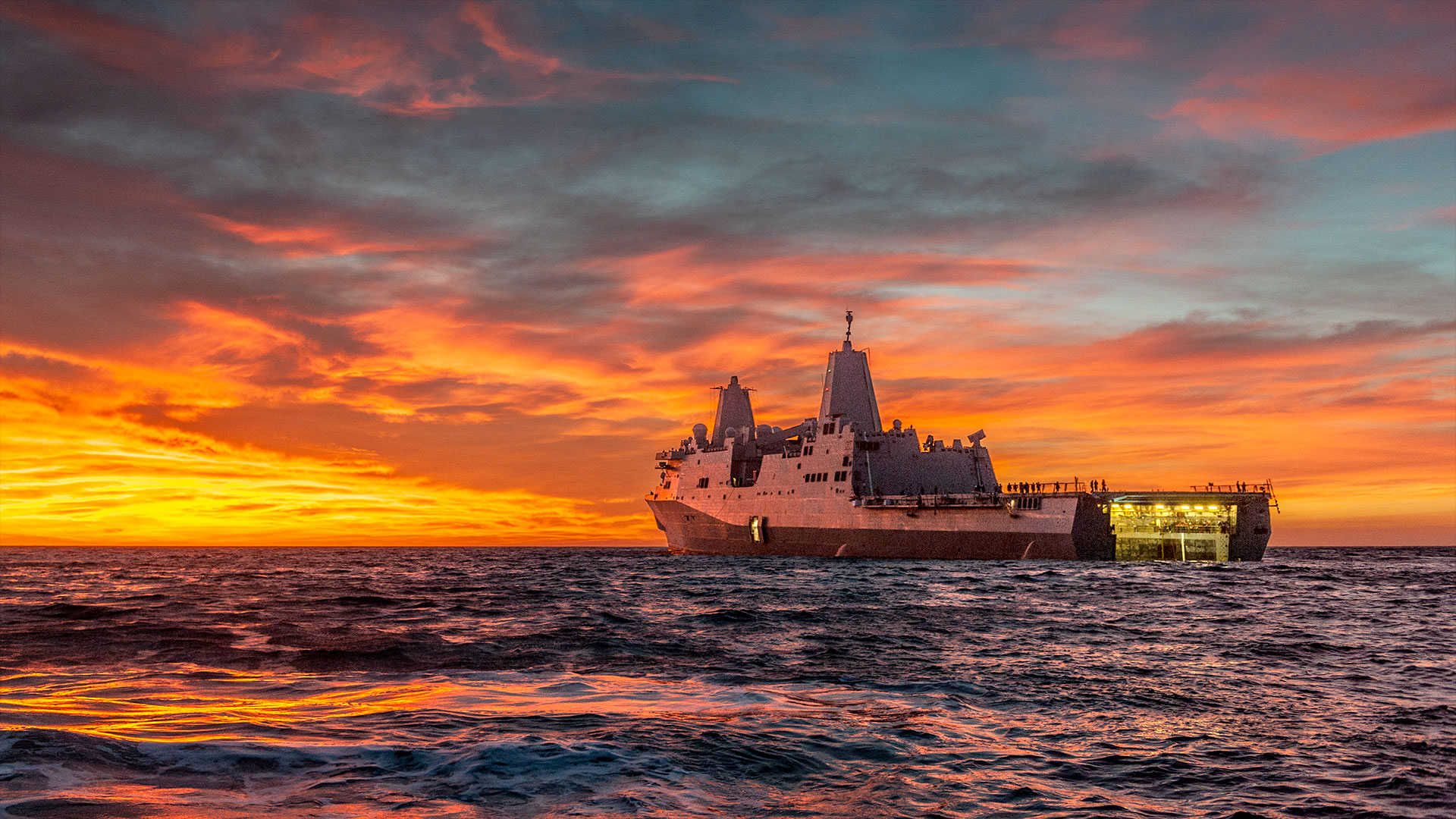
U.S. Navy divers and medical personnel stationed on small boats were on track to meet Integrity, safe the capsule and assist the crew out into a "front porch" raft and then up into two helicopters — Koch and Glover in one and Hansen and Wiseman in the second — to be taken to the USS John P. Murtha for further medical checks. The same San Antonio-class amphibious transport dock ship will recover the spacecraft in its well deck and bring it back to shore at Naval Base San Diego.
The Artemis II crew will be flown by helicopter from the ship to San Diego and then back to Houston's Ellington Field and their waiting families.
First and farthest
Wiseman, Glover, Koch and Hansen were the first crew to fly on NASA's Space Launch System (SLS) rocket when they left Earth on April 1. They were also the first to test fly the Orion.
"Their mission was really a combination of Apollo 7 and Apollo 8 all rolled into one," said Fred Haise, Apollo 8 backup crew member and Apollo 13 lunar module pilot, in an interview with collectSPACE. "Seven tested out the Apollo capsule and Apollo 8 flew the for first time on the Saturn V rocket, and they also went to the moon for the first time."
"The [Artemis II] crew are real test pilots," he said.
NASA also highlighted the four astronauts flying farther into space than anyone before, surpassing the previous record set by Haise and his Apollo 13 crewmates by 4,101 miles (6,600 km). Following a free-return trajectory, Integrity reached 252,756 miles (406,771 km) away from Earth.
"I think somebody felt sorry for us," said Haise, pointing out that the other Apollo missions to the moon all came within 60 miles (100 km) of the same distance and could have flown farther but landed on the moon instead. "We didn't get to land [due to an in-flight explosion] and so they had that posted in the record book to make us feel better."
Hansen, speaking on behalf of the entire crew, expressed a similar sentiment when they flew beyond the Apollo 13 distance of 248,655 miles (400,171 km).
"We most importantly choose this moment to challenge this generation and the next to make sure this record is not long lived," he said.
'Feats of our predecessors'
In that same brief speech, Hansen honored those who contributed to human space exploration before them, including the 24 moon voyagers who were part of NASA's first lunar program. It was first of several tributes to the Apollo astronauts during the Artemis II mission.
NASA arranged for two veterans' voices to travel the distance to Integrity, playing back recordings of Apollo 16 moonwalker Charlie Duke and Apollo 8 and Apollo 13 commander Jim Lovell as part of separate wake up calls for the Artemis II crew. The latter message was taped before Lovell died in August 2025.
Lovell's family also gave the astronauts an Apollo 8 mission patch to fly that had already been in lunar orbit in 1968.
A few days before coming home, Wiseman shared a special American flag that was part of the mission's official flight kit (OFK).
"It is the Apollo 18 flag," said Wiseman, referring to the banner that would have been planted on the moon had the program not ended after Apollo 17 due to budget cuts. "We are honored to carry the torch from Apollo through Skylab through the space shuttle through our beloved International Space Station and now back, further than humans have ever gone around the far side of the moon and safely home back to Houston."
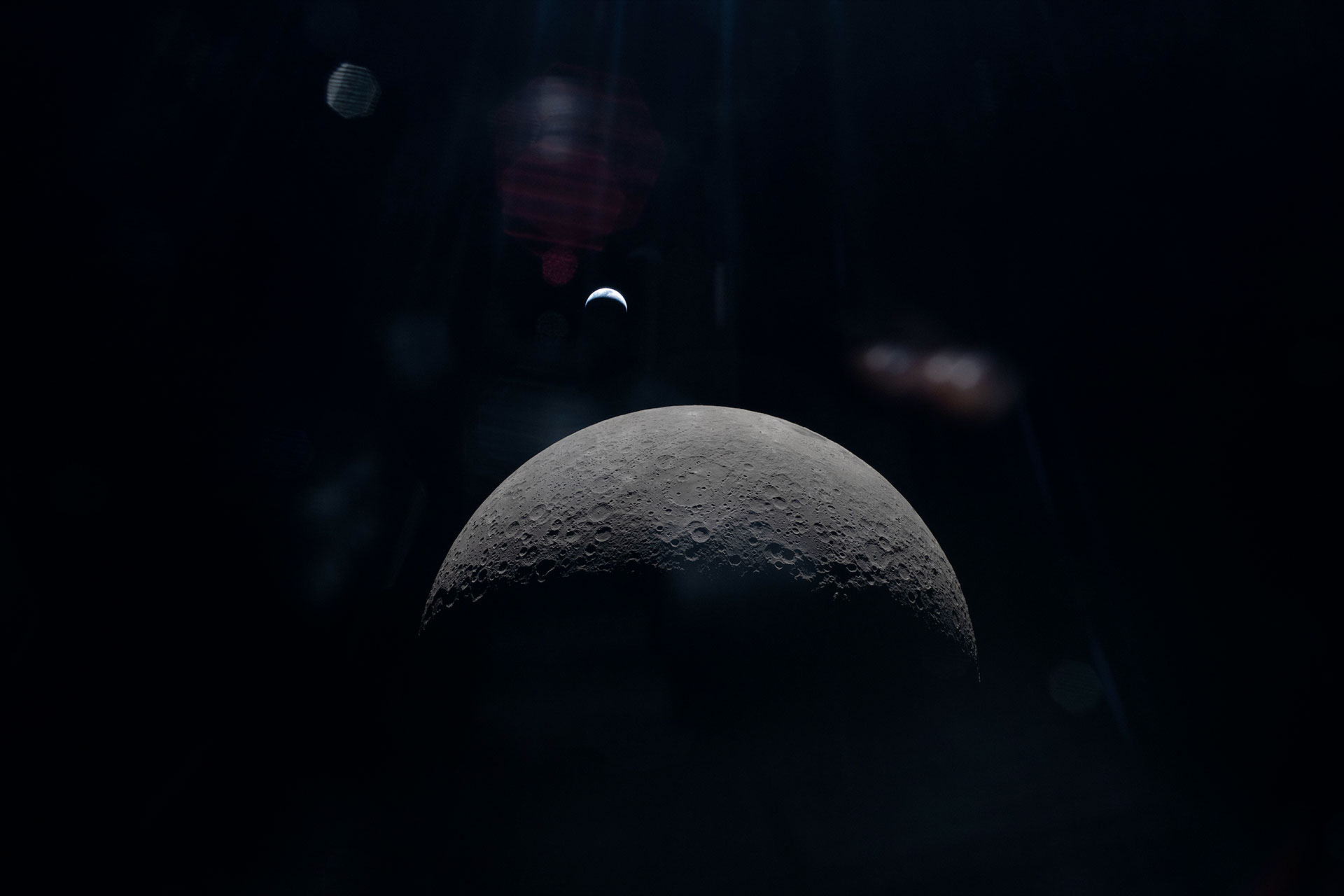
The Artemis II crew also flew a zero-g indicator that paid tribute to the sight of Earthrise by the Apollo 8 crew and captured photos of both Earth and the moon that were evocative of iconic Apollo shots.
In total, Integrity and the Artemis II crew traveled 694,481 miles (1,117,659 km) over the course of 9 days, 1 hour, 32 minutes, 15 seconds from launch to landing. At closest approach, they came within 4,067 miles (6,545 km) of the lunar surface.
"Human minds should not go through what we just went through," said Wiseman on the way back from the moon. "It is a true gift, and we have a lot that we just need to think about."
They were the first astronauts to see portions of the far side of the moon never before seen in-person by human eyes. They also witnessed a rare solar eclipse from the vantage point of the moon.
"Launching on April 1 meant the far side wasn't as illuminated as we were hoping. So [the eclipse] seemed to be a consolation, but was one of the greatest gifts of that part of the mission," said Glover.
The Artemis II crew also set several personal firsts, though they were the first to resist such distinctions given what they saw were more important focuses for the mission. Koch was the first woman to fly to the moon. Glover was the first person of color to do the same. Hansen was the first Canadian and first non-American astronaut to leave low Earth orbit and fly by the moon.
They were the first four-person crew to reach the moon and the first to fly on a solar-powered spacecraft to do so. They were also the first astronauts to have use of a toilet on a trip to the moon, but not without issues (there was an ice build up in the vent used to empty the waste water tank). They were the second crew to be issued iPhones (the first were on a mission to the International Space Station) and the first to wear digital watches to the moon (to be fair, Omega Speedmaster X-33 chronographs with a hybrid analog and digital display).
The next crewed Artemis mission will stay in Earth orbit to test docking with at least one, if not both of the human landing systems being developed to deliver astronauts at the moon's south pole. Artemis III is targeted for launch in 2027, followed by the first Artemis landing in 2028.
"We will visit again," said Wiseman just after emerging from the shadow of the moon. "We will construct science outposts. We will drive rovers, we will do radio astronomy, we will found companies. We will bolster industry. We will inspire."
The Orion capsule "Integrity" carrying the Artemis II crew splashes down in the Pacific Ocean on Friday, April 10, 2026, after a 10-day trip to fly by the moon. (NASA/Bill Ingalls)
Separation of the Orion capsule Integrity from its European Service Module prior to reentry into the atmosphere, April 10, 2026. (NASA)
The USS John P. Murtha is seen at sunset on Nov. 1, 2018, during a joint test with NASA's Exploration Ground Systems Recovery Team to verify procedures and hardware used to recover the Orion capsule after its landing in the Pacific Ocean. (NASA/Tony Gray)
NASA graphic showing Integrity's lofted entry sequence. (NASA)
NASA graphic showing Integrity's parachute sequence. (NASA)
Ground track map displaying the Artemis II landing area. (NASA)
The Artemis II crew captured this faint view of a crescent Earth above the horizon on the moon's far side on April 6, 2026. (NASA)
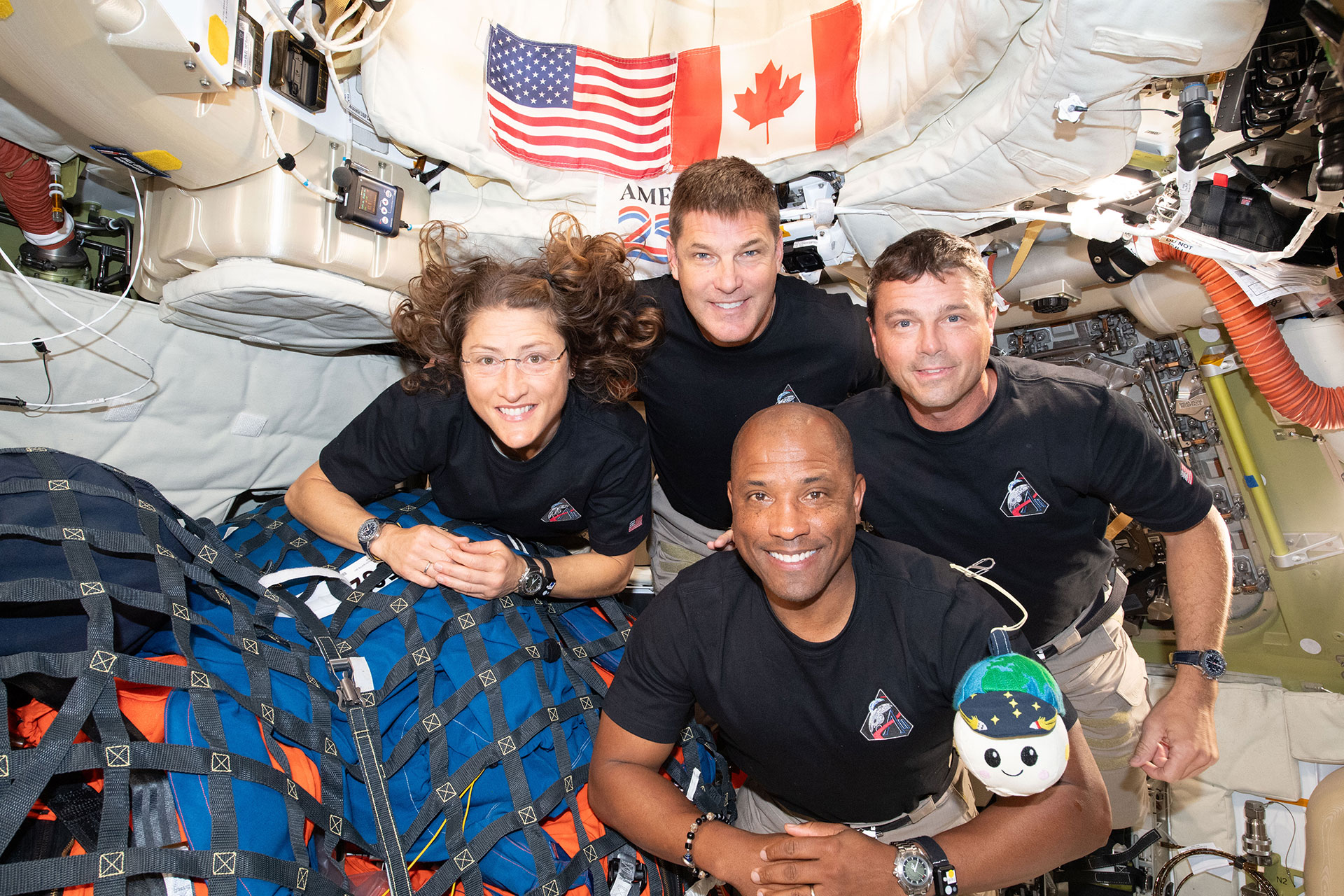
Artemis II crewmates Christina Koch, Jeremy Hansen, Reid Wiseman and Victor Glover pose with their zero-g indicator "Rise," inside the Orion spacecraft "Integrity" on their way home. (NASA)
collectSPACE is grateful to Intuitive Machines for supporting our Artemis II mission coverage. Intuitive Machines successfully soft-landed its Nova-C class lunar lander on the moon, returning the United States to the lunar surface for the first time since 1972. In 2025, Intuitive Machines returned to the lunar south pole with a second lander. The company is focused on delivery services, data transmission services and infrastructure as a service.
NASA's Orion spacecraft "Integrity" with the Artemis II crewmembers aboard is seen under parachutes as it lands in the Pacific Ocean off the coast of San Diego, California, Friday, April 10, 2026. (NASA/Bill Ingalls)