|
|

|
|
Author
|
Topic: Voyager 1 One Light-Day (Nov. 18, 2026)
|
Robert Pearlman
Editor Posts: 57436
From: Houston, TX
Registered: Nov 1999
|
 posted 11-10-2026 02:34 PM    
NASA release NASA Invites Public to Join Voyager 1 One-Light Day ActivitiesLaunched nearly 50 years ago in 1977, NASA's Voyager 1 on Wednesday, Nov. 18 will have traveled one light-day from Earth, which is more than 16 billion miles (25.9 billion kilometers). Voyager 1 is the most distant human-made object, and any light from Earth would take 24 hours to reach the spacecraft. NASA will highlight this historic milestone with two events.
On Tuesday, Nov. 17, NASA invites the world to participate in "Shine Bright for Voyager's Light-Day" by creating a symbolic wave of golden light encircling the planet after sunset. NASA has created a website that enables smart phones and tablets to flash "VGR", Voyager's call sign, in morse code. Everyone is encouraged to capture photos or videos of their light-day signal and share it on social platforms, tagging @NASA. On Thursday, Nov. 19 at 12 p.m. EST (9 a.m. PST), NASA's Jet Propulsion Laboratory (JPL) in Southern California will host a moderated discussion (watch online) with mission members and NASA leadership about the status of Voyager 1 and 2, the unique science the twin probes continue to gather in interstellar space, and the challenges of keeping the spacecraft operating for so long over such vast distances. In addition, there also will be a preview of the upcoming NASA+ Voyager documentary, planned for release in 2027 for the mission's 50th anniversary. The participants will be: - Nicky Fox, associate administrator, Science Mission Directorate, Washington
- Jonathan Lunine, chief scientist, NASA's Jet Propulsion Laboratory, Southern California, and professor of planetary science, Caltech
- Suzanne Dodd, Voyager project manager, NASA JPL
- Kareem Badaruddin, Voyager mission manager, NASA JPL
- Jamie Rankin, Voyager deputy project scientist, Princeton University
For almost half a century, the agency's Voyager mission has blazed a trail through space. Voyager 1 and Voyager 2 were designed to explore the outer planets by taking advantage of a planetary alignment that occurs once every 176 years. Voyager 1 entered interstellar space in 2012. Following a different trajectory, Voyager 2 entered in 2018. Both spacecraft continue to provide unique scientific observations of the environment beyond the heliosphere, the protective bubble created by the Sun.
Managed by Caltech in Pasadena, California, NASA JPL built and operates the Voyager spacecraft. NASA's Deep Space Network, also managed by NASA JPL, enables communication with the distant probes. The Voyager mission is funded by NASA's Heliophysics Division at NASA Headquarters in Washington. |
Robert Pearlman
Editor Posts: 57436
From: Houston, TX
Registered: Nov 1999
|
posted 11-17-2026 08:39 PM
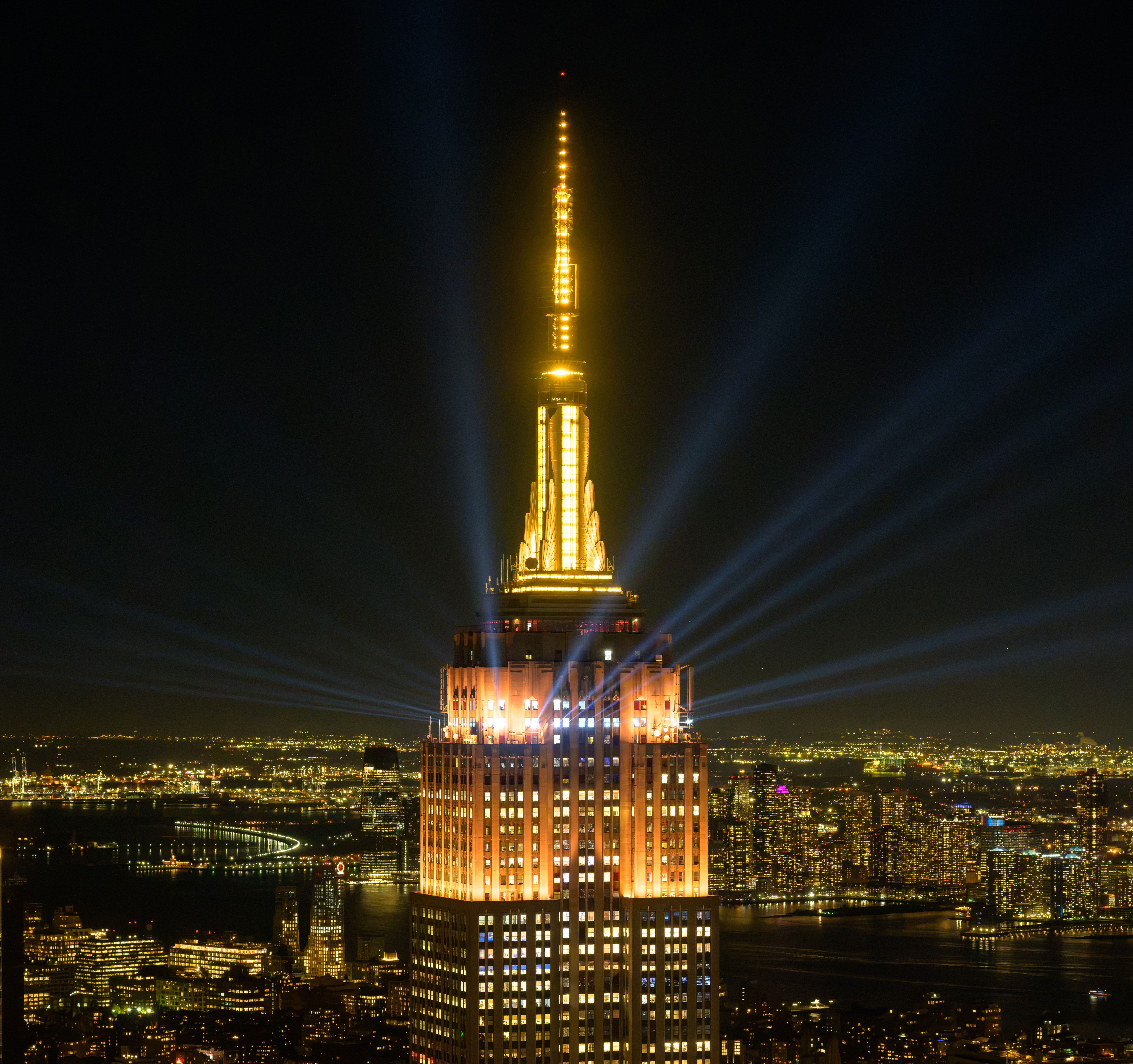
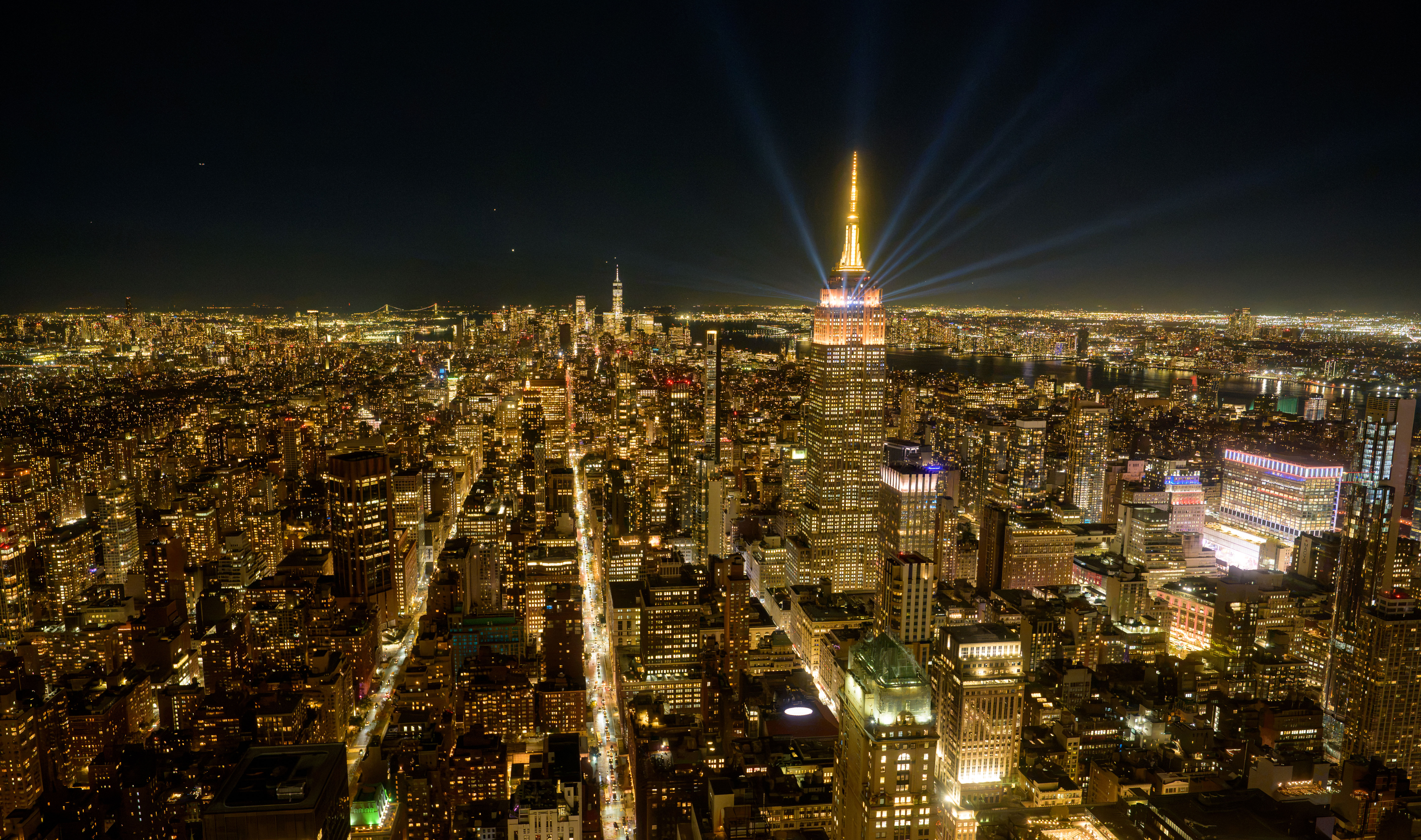
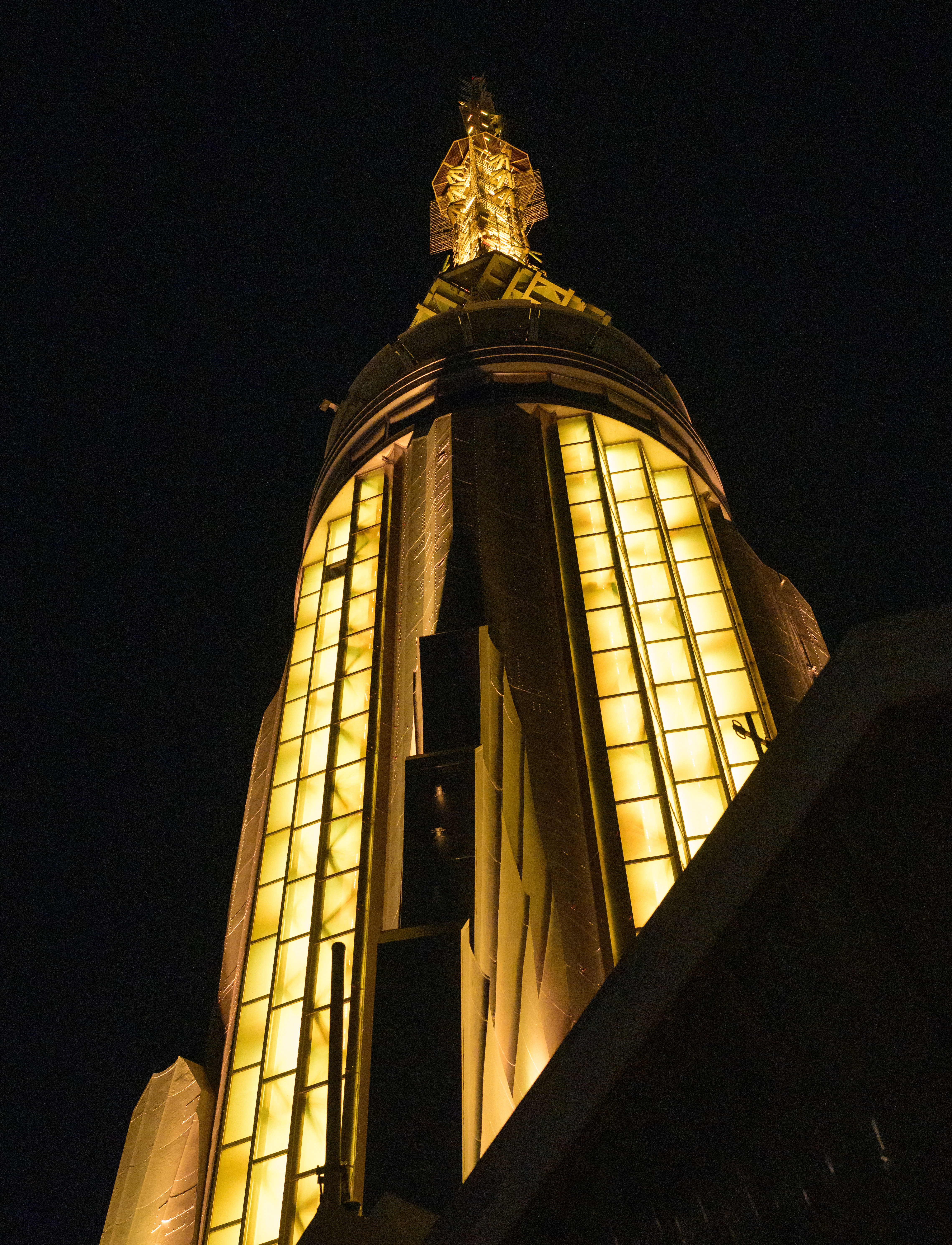
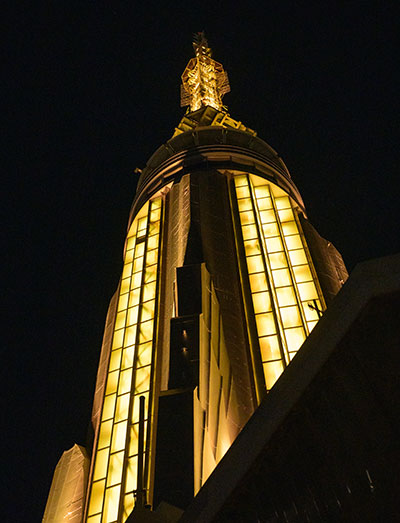
The Empire State Building was lit in gold light on Tuesday (Nov. 17). Photos: NASA/Bill Ingalls Gold for Voyager 1, now one light-day from home. 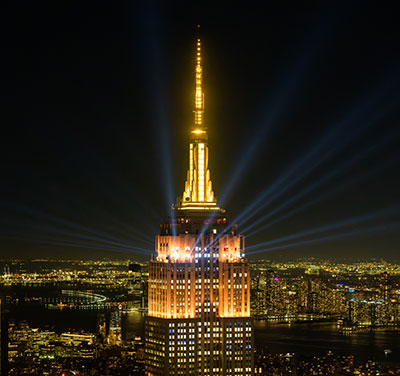 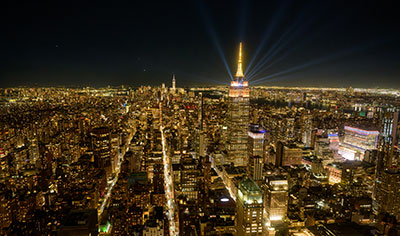
|
Robert Pearlman
Editor Posts: 57436
From: Houston, TX
Registered: Nov 1999
|
posted 11-18-2026 12:00 AM
collectSPACE Voyager 1 at one light-day: Historian revisits Golden Record's forgotten detailsIn the one light-day that humanity's most distant object has now traveled from Earth, there has been enough time for details about its creation — and what it left behind — to be all but forgotten and discovered again. Voyager 1, which left Earth in 1977 on an initial mission to fly by Jupiter and Saturn (as well as the latter's moon Titan), crossed into interstellar space in 2012. Like its twin (Voyager 2), Voyager 1 carries a "commemorative phonograph record," in part as a nod to the 100th anniversary of the recording medium and as a message from humanity to whomever (or whatever) encounters the spacecraft on its journey through outer space. About those forgotten bits, ask Glen Swanson. While researching the history of the Golden Record, he uncovered the discs' overlooked second set of operating directions and has located the duplicates that were made and distributed almost five decades ago. 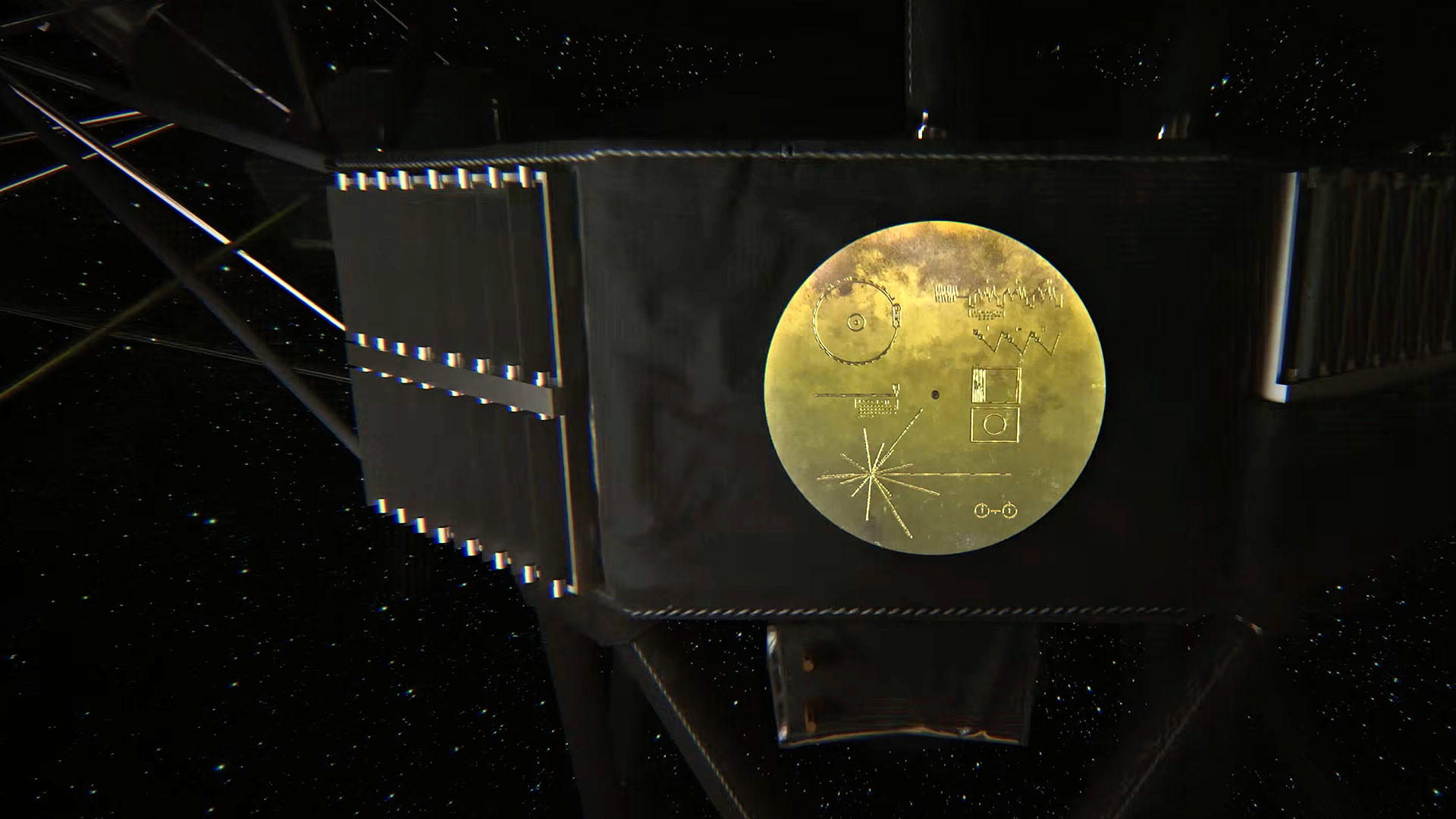 | |
Contact Us | The Source for Space History & Artifacts
Copyright collectSPACE. All rights reserved.

Ultimate Bulletin Board 5.47a
|
|
|
 advertisement |