|
|

|
|
Author
|
Topic: Explorer I to Shuttle: space cover highlights
|
Bob M
Member Posts: 2099
From: Atlanta-area, GA USA
Registered: Aug 2000
|
 posted 03-29-2026 08:12 AM
   
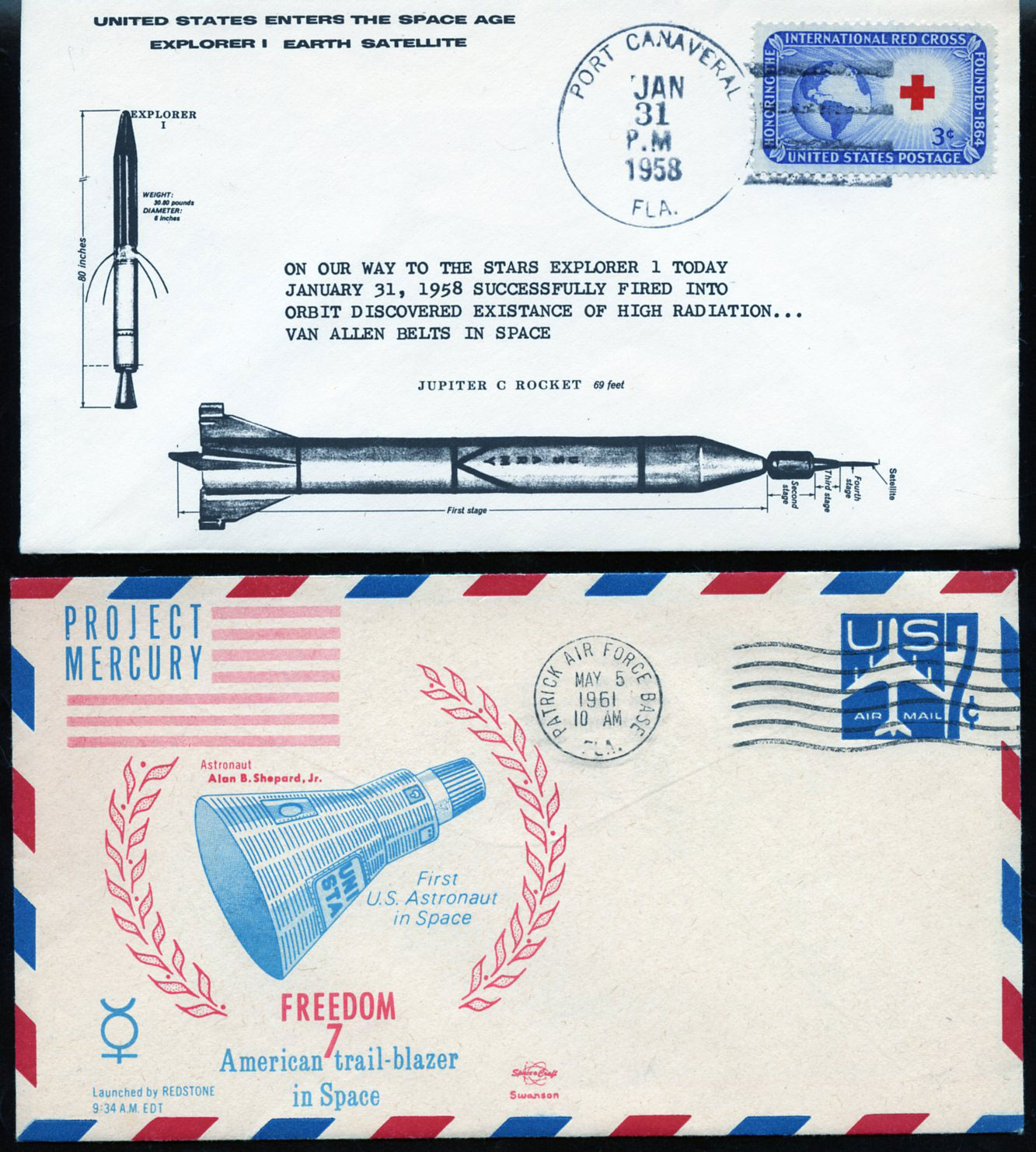
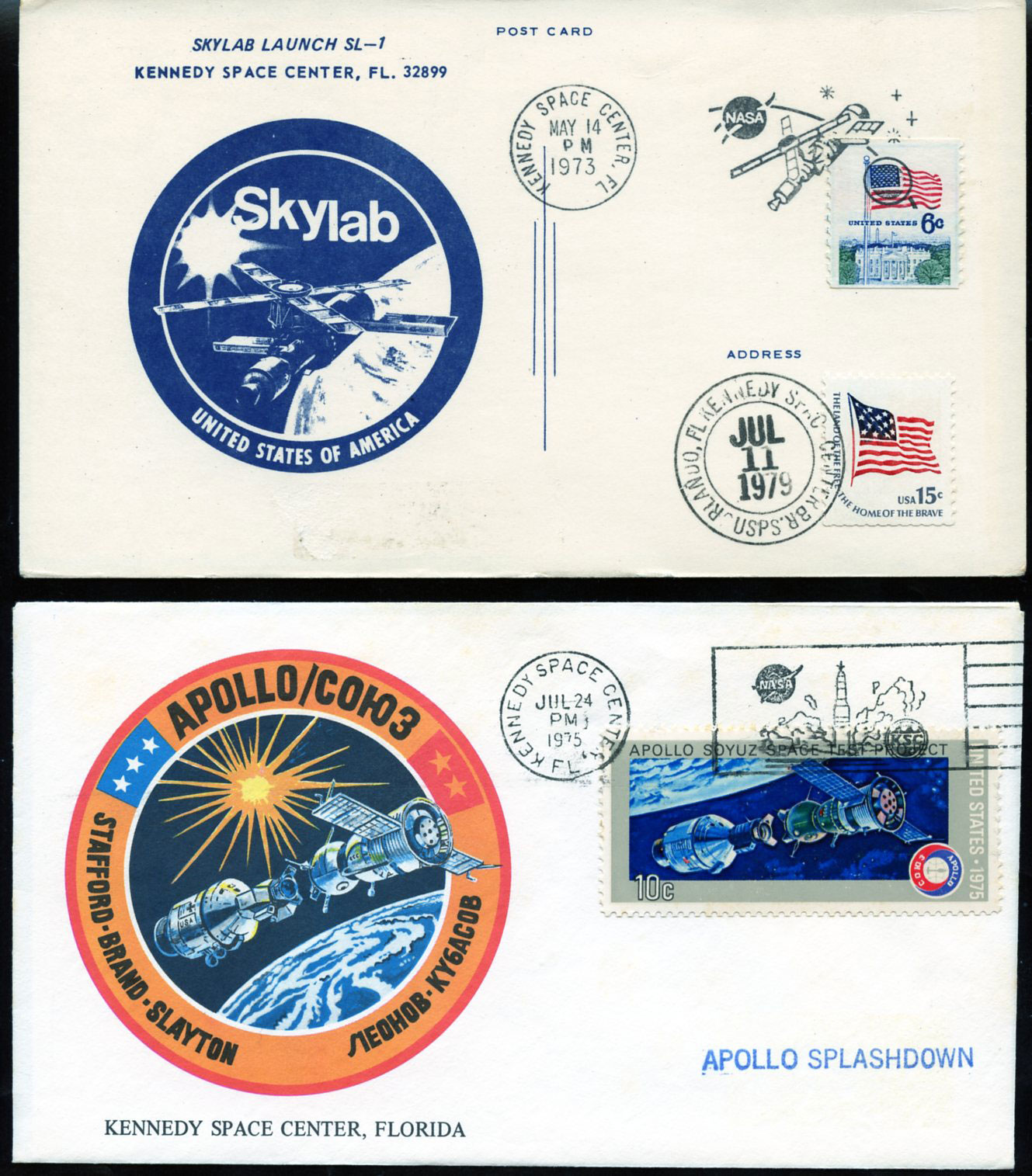
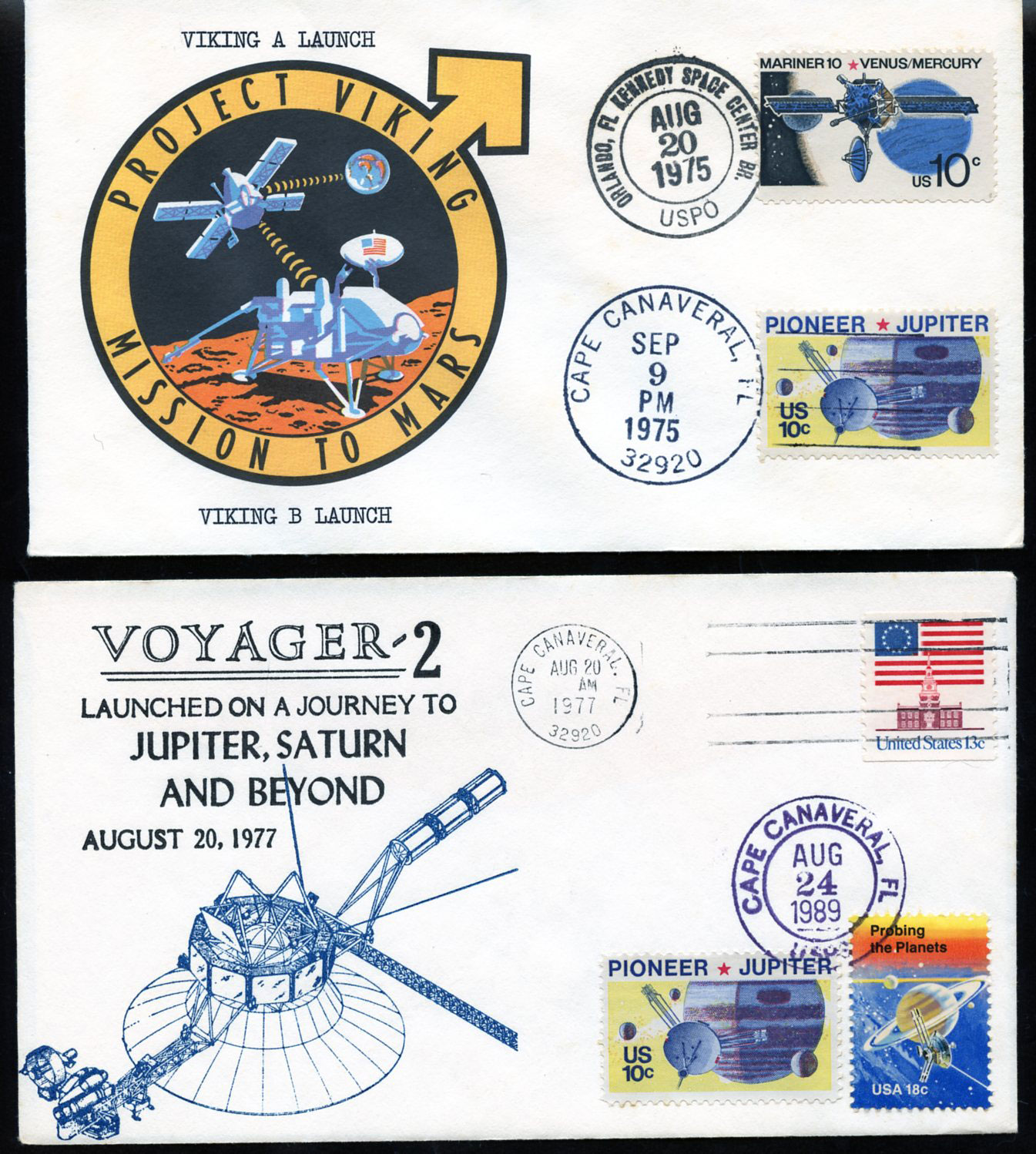
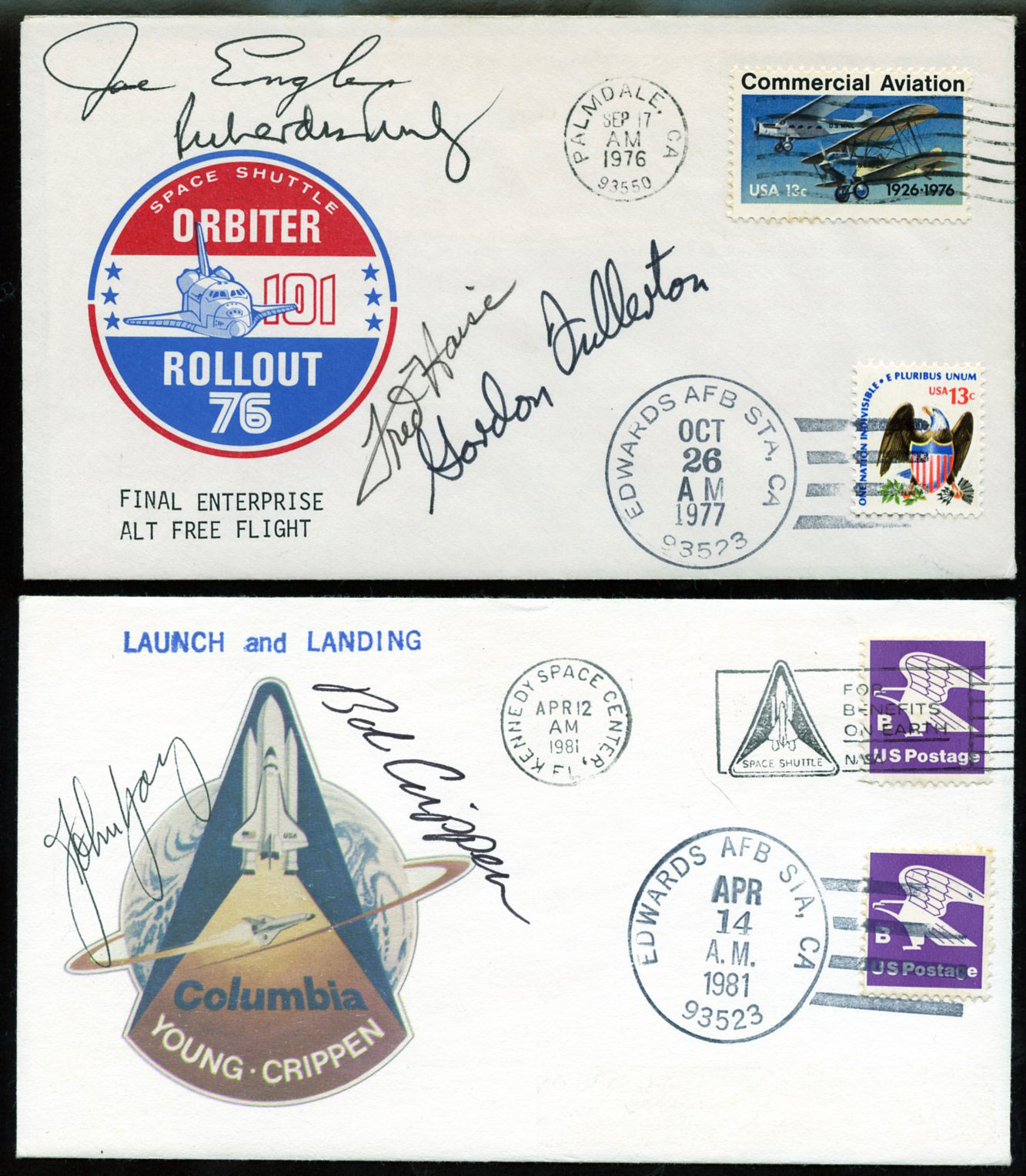
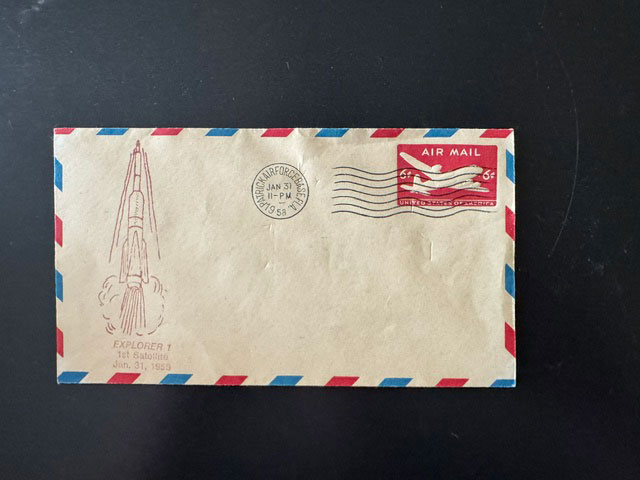
Sputnik I is generally considered to have begun the space age, but the launch of America's first satellite, Explorer 1, would be considered the beginning of America's space age - and space race.The 23 years from Explorer 1 (1958), to the early flights of the Space Shuttle (1981), were an exciting time to be a space enthusiast and especially a space cover collector. I have chosen twelve spaceflights/programs that in my opinion were the most significant in the first 23 years of US space exploration and also the most popular with space cover collectors. Shown below is one representative cover from each of these 12 historic US space programs, with four autographed by the crews. - Explorer 1: America's first satellite
- Mercury-Redstone 3: 1st American in space
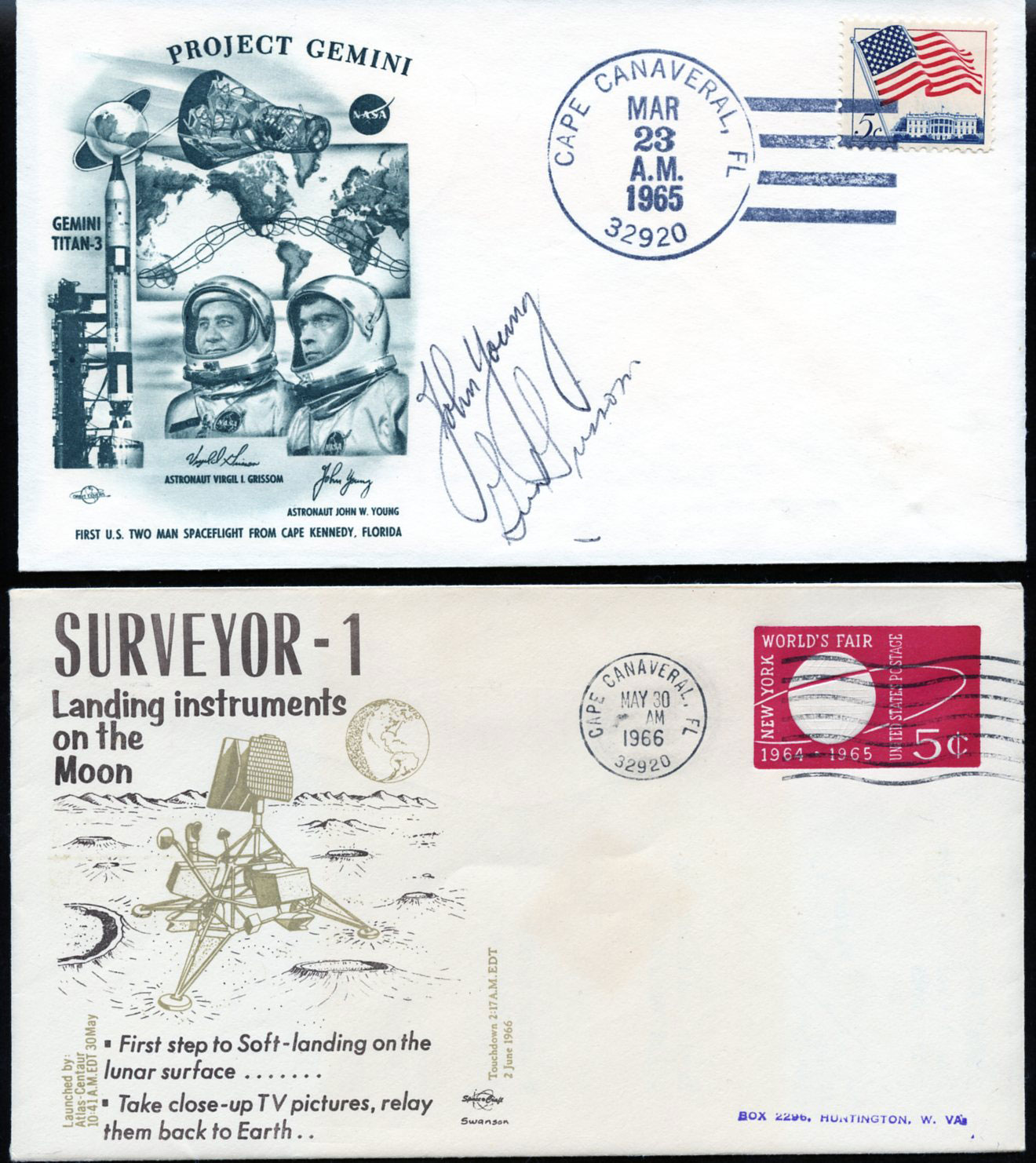
- Gemini-Titan 3: 1st US two-man spaceflight
- Surveyor 1: 1st unmanned lunar soft landing
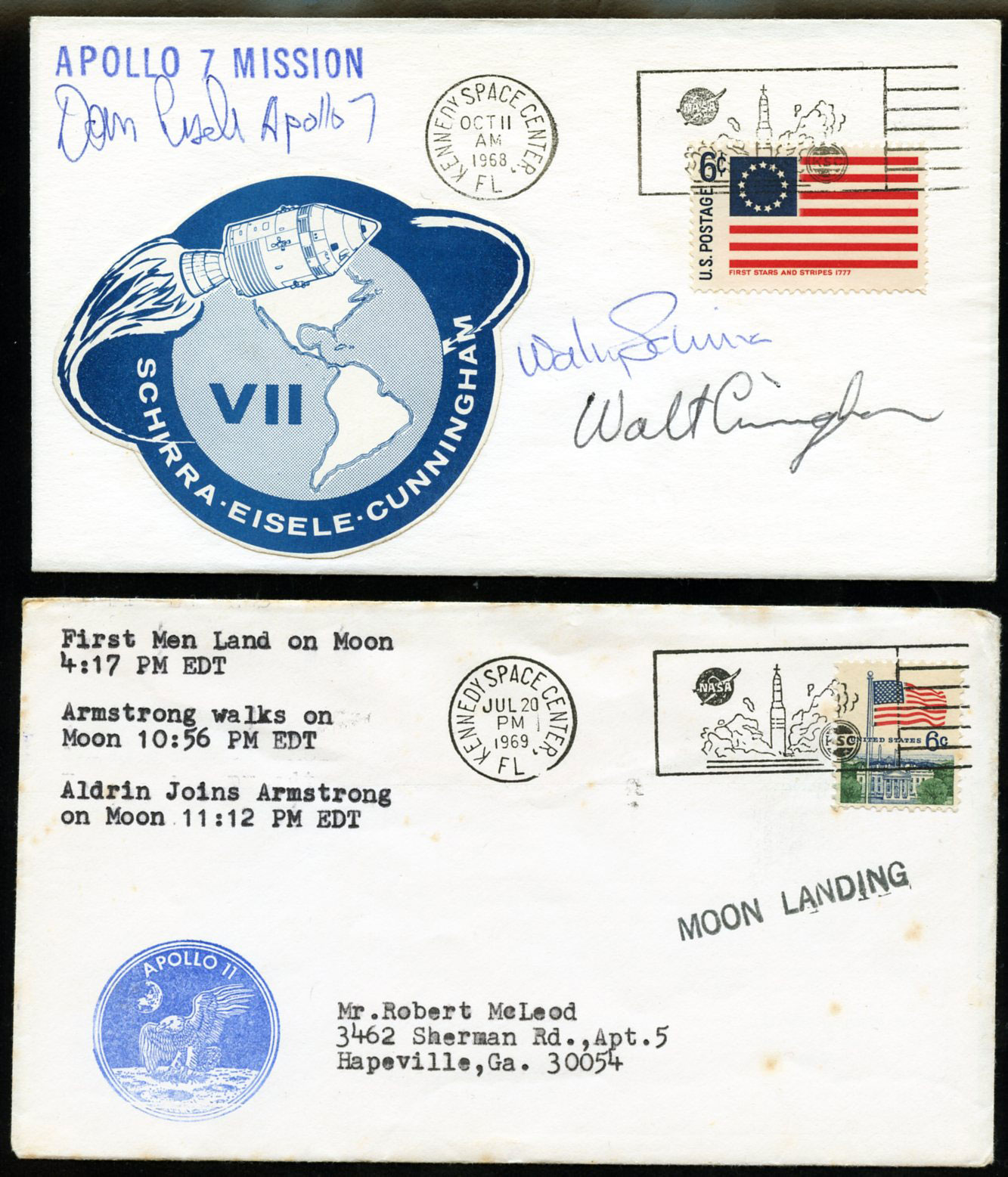
- Apollo 7: 1st of 12 Apollo manned flights
- Apollo 11: men walk on the moon
- Skylab 1: America's first space station
- Apollo-Soyuz Test Project: US/USSR joint spaceflight
- Viking 1 and 2: soft landings on Mars
- Voyager 2: launched toward interstellar space
- Shuttle Approach and Landing Test flights
- STS-1: the 1st of 135 Space Shuttle flights
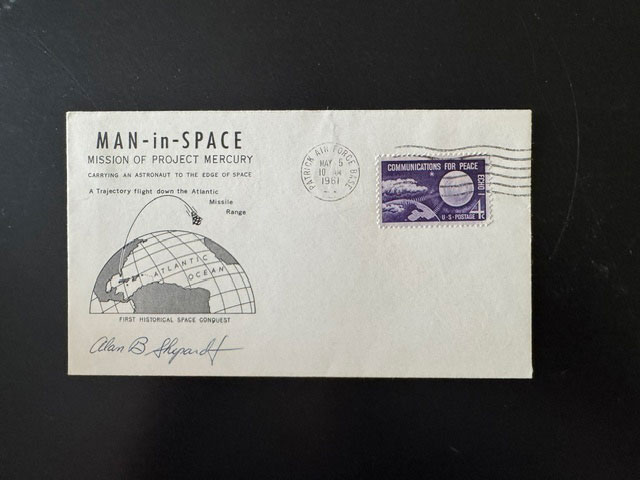
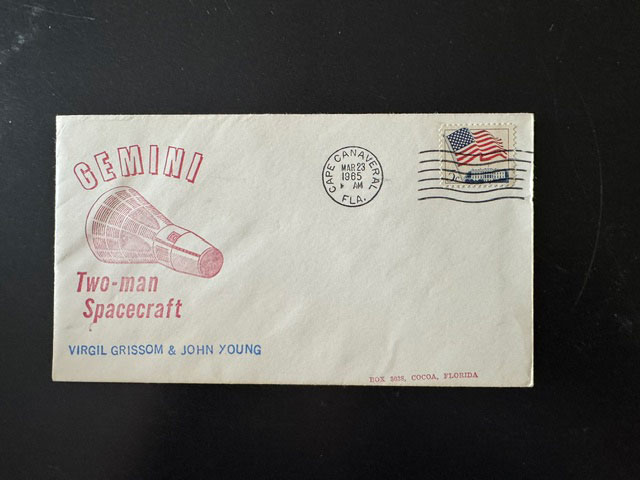
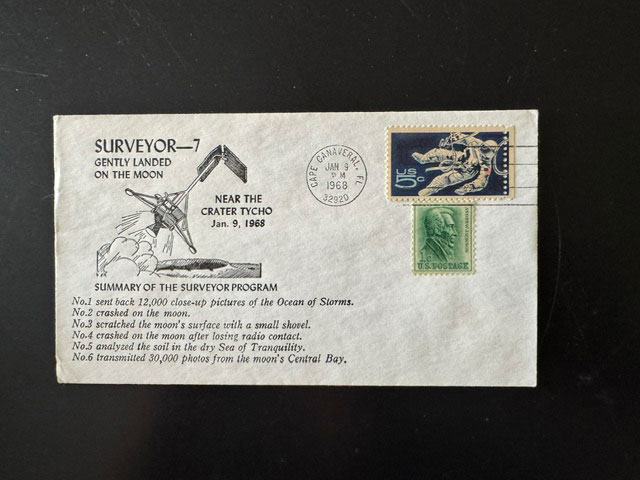
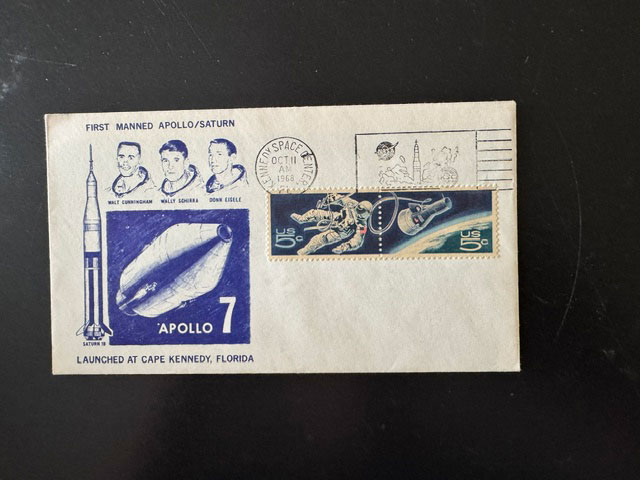
This Clyde Sarzin cover pictures both the Explorer 1 satellite and the Jupiter C rocket that launched it into orbit, with a launch day cancel and stamp picturing the earth - an exceptional cover for this great event. Below is a special edition Swanson Spacecraft cover for the Mercury-Redstone 3 launch of Alan Shepard as America's first astronaut in space. 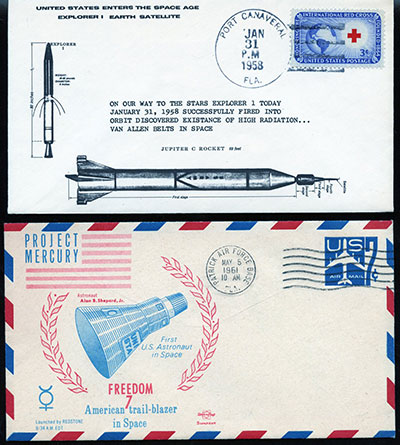 This Ronson "Orbit" cover marks the launch of Gus Grissom and John Young on Gemini-Titan 3 and is autographed by the crew. GT-3 was followed by nine other 2-man Gemini-Titan spaceflights. Below is a Swanson Surveyor 1 cover for the first unmanned soft landing on the moon. The unmanned pathfinders, Surveyor, Ranger and Lunar Orbiter spacecraft, led the way for the successful Apollo moon landings. 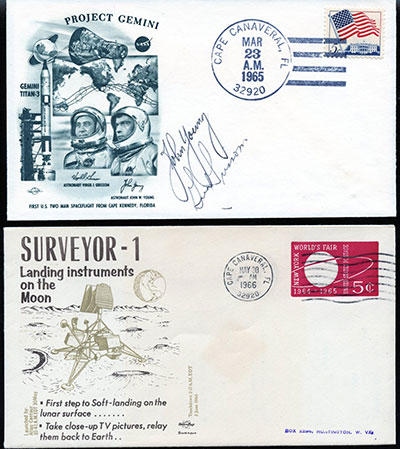 Apollo 7 was the first of eleven manned flights in the Apollo moon landing program. This crew autographed Apollo 7 launch cover has a trimmed official NASA/KSC adhesive label cachet applied (10,760 issued). Such labels were only used on Apollo 7 and Apollo 8 covers in place of the usual rubber stamp cachets. The bottom cover is one of my first space covers and displays an official Apollo 11 NASA/KSC rubber stamp cachet (19,500 applied). Its interesting story can be found in Space Cover of the Week 638 of February 8, 2022. 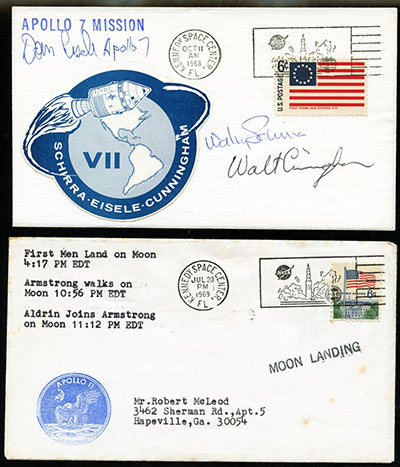 The Skylab Program began with the launch of the Orbital Workshop (OWS) atop the final Saturn V rocket launch on Skylab-1. This is a NASA VIP card canceled with a KSC Skylab machine cancel for launch, with a KSC handstamp cancel on July 11,1979, for the Orbital Workshop's final day in orbit. The cover marks both the beginning and end of the Skylab Program... Below is an Apollo-Soyuz Test Project emblem cover with one of the two US Apollo-Soyuz stamps canceled at KSC for the Apollo splashdown. 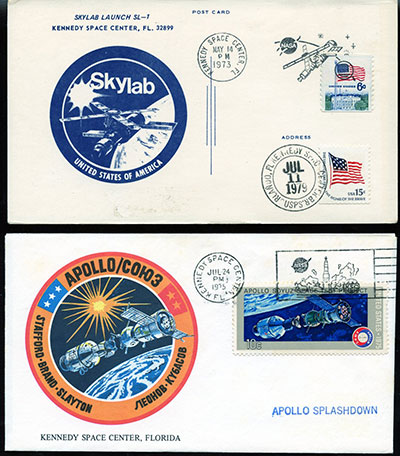 This handsome Viking emblem cover was canceled for the launch of both Vikings 1 and 2. They were the first spacecraft to successfully land on Mars, with each consisting of a lander and orbiter, that mapped 97% of Mars' surface while returning hundreds of surface photos... This Voyager 2 launch cover was canceled 12 years later when Voyager 2 completed its "Grand Tour" of the Solar System's four gas giants: Jupiter, Saturn, Uranus and finally, Neptune. Voyager 1, launched after Voyager 2, was more of a long distance traveler, as of early 2026 is over 15 billion miles from earth, while cruising away at 38,000 mph - the most distant manmade object from earth. 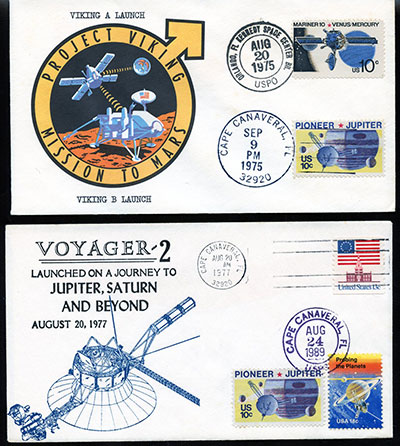 The Space Shuttle Approach and Landing Test (ALT) Program involved orbiter Enterprise with it being carried aloft atop the 747 Shuttle Carrier Aircraft and released to simulate unpowered orbiter landings from orbit prior to the first launch and landing of Columbia on STS-1. This Rockwell Space Division Stamp Club cover (see Space Cover of the Week 99 of March 6, 2011) was canceled at Palmdale, CA for Enterprise's rollout and debut and later canceled for the 5th and final free flight in the ALT program; basically the start and end of he ALT Program. ALT Flight Director, Donald Puddy, was most kind to have the two 2-man Enterprise astronaut crews sign this special cover for me. 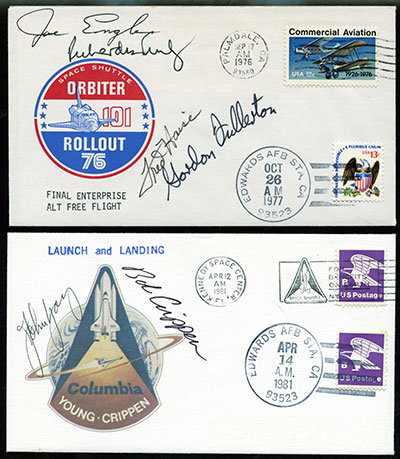 On April 12, 1981, Space Shuttle Columbia roared off the launch pad at KSC, with brave astronauts John Young and Bob Crippen aboard piloting the first reusable manned spacecraft to launch like a rocket and return to earth for a runway landing. 134 flights would follow, with the 5 space shuttles traveling a combined total of 542 million miles in orbit. This STS-1 emblem cover was canceled for launch and then flown by a NASA official aboard a NASA aircraft to Edwards AFB, CA, and then canceled there for Columbia's safe return and landing. I was later quite fortunate to have the crew of STS-1 Columbia autograph this scarce launch and landing cover. These 12 flights and covers highlight America's first years in space and it would be of interest to have someone else showcase covers from the first historic years of the Soviet Union's exploration of space - such as a set of the famous cosmonaut autographed Kniga Covers, beginning with Gagarin on Vostok 1. |
Joel Katzowitz
Member Posts: 910
From: Marietta GA USA
Registered: Dec 1999
|
posted 03-30-2026 04:07 PM
Great group of covers Bob!!!I especially love the Explorer 1 cover because I actually have a section of the emergency abort umbilical cable along with a section of its sheathing. |
bobslittlebro
Member Posts: 333
From: Douglasville, Ga U.S.A.
Registered: Nov 2009
|
posted 04-02-2026 08:04 AM
Nice selection of your covers Bob, |
Ken Havekotte
Member Posts: 4047
From: Merritt Island, Florida, Brevard
Registered: Mar 2001
|
posted 04-04-2026 12:07 PM
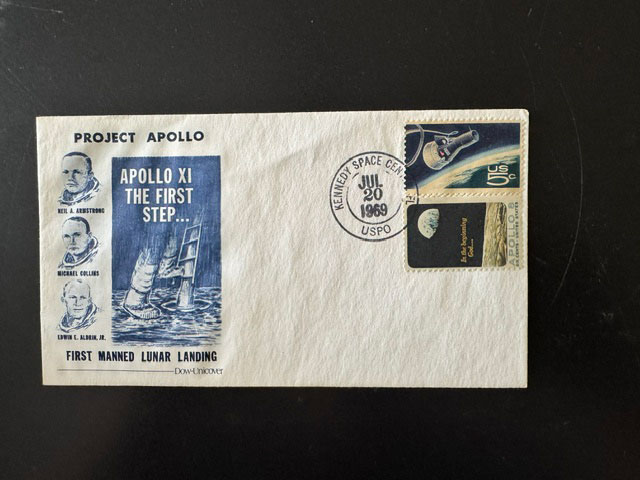
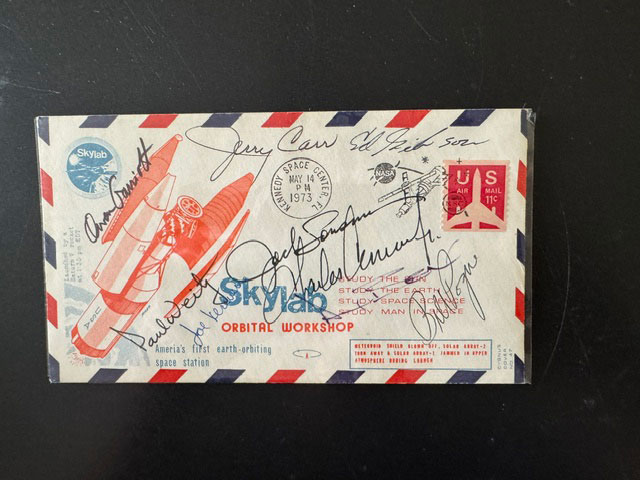
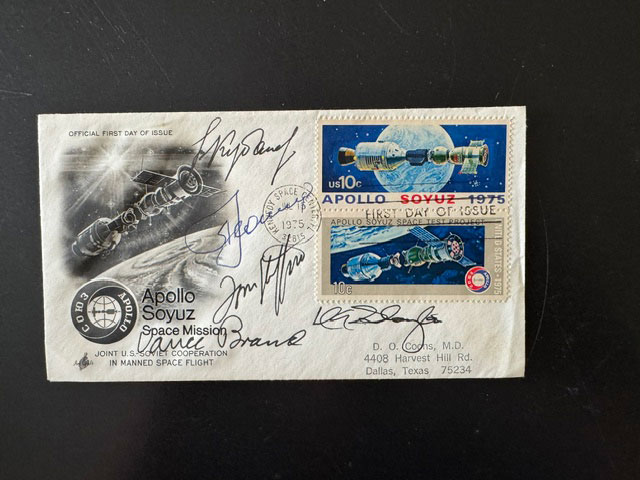
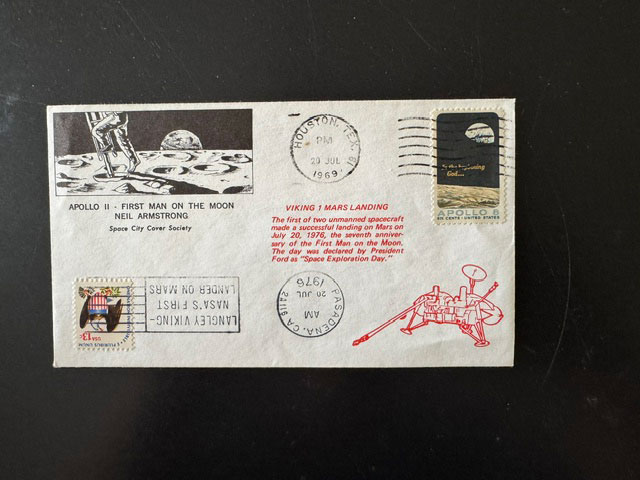
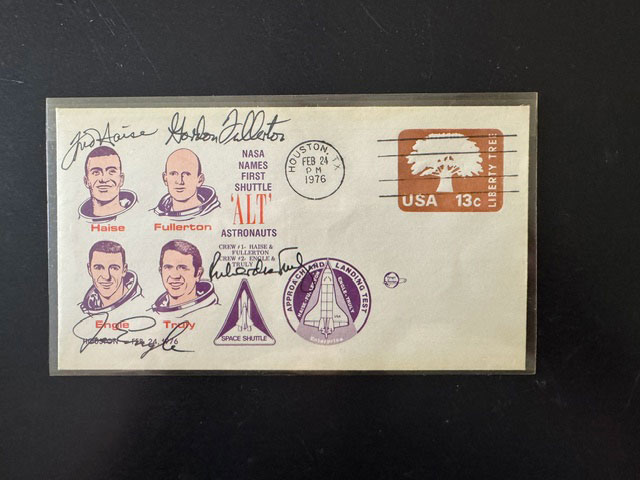
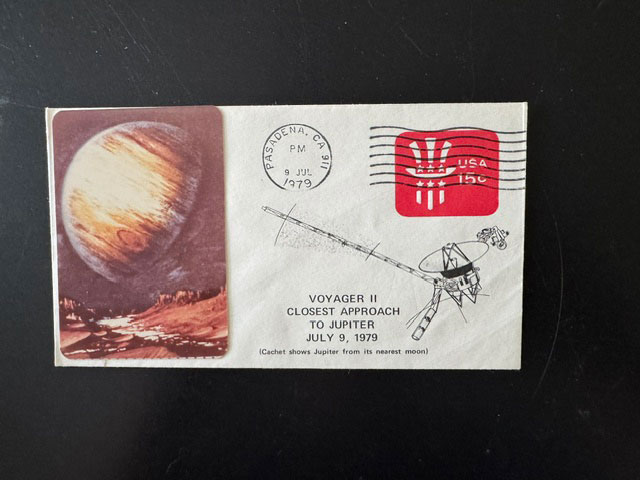
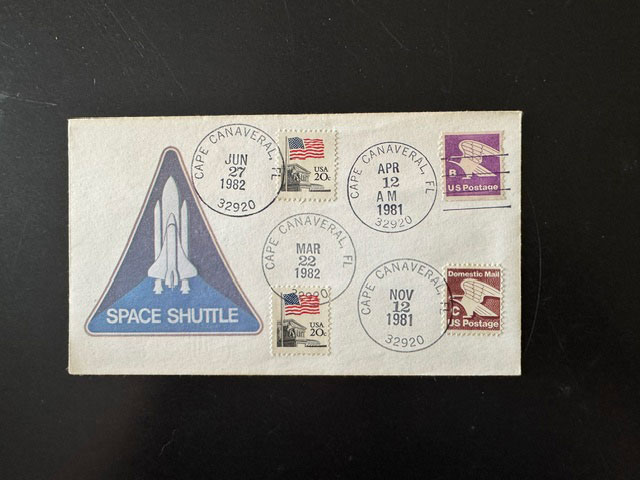
This is a great topic idea in showing space cover issues of major U.S. space programs from Explorer 1 to the first orbital shuttle (STS-1). Here are some other covers of different types and cachets not included above. Hopefully this topic may help to educate non- space cover collectors and with learning about space history as well. It can be a lot of fun.Explorer 1 — This is certainly one of the most celebrated and historical space covers as Bob said when the space race started during the late 1950's. This rather plain airmail envelope for our nation's first successful orbiting satellite has a simplistic rubber stamp cachet. It was produced by early space cover cancel servicers Dave Finney and M. L. Nickel having worked for the U.S. Postal Service. 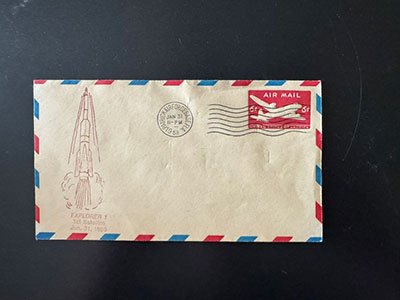 MR-3/Freedom 7 — A single one-ink printed cover by Carl Swanson of SpaceCraft for America's first two astronaut spaceflights in 1961. The same-type cachet was used generically for the Mercury-Redstone suborbital space feats. 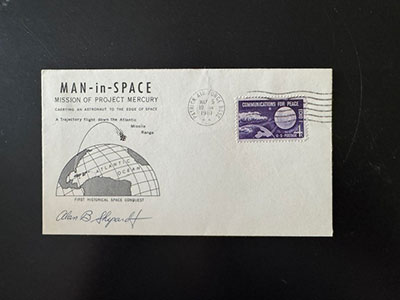 Gemini 3 (GT-3) — Another simple-looking, but appropriate, 2-color rubber stamp cachet cover of NASA's first manned Gemini-Titan 3 space trip with a sharp and clear Florida Cape Canaveral machine cancel in March 1965. 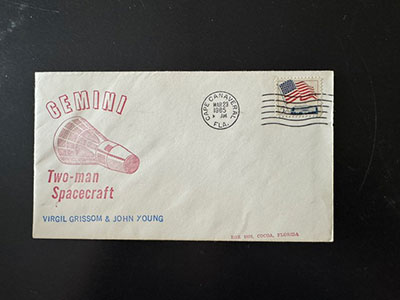 Surveyor 1 — I thought it would be an appropriate to share a Surveyor-7 moon landing Centennial/Ed Hacker cachet cover from January 1968. Note the summary of all the unmanned Surveyor lunar program history highlights by seven lunar probes before humans reached the moon. 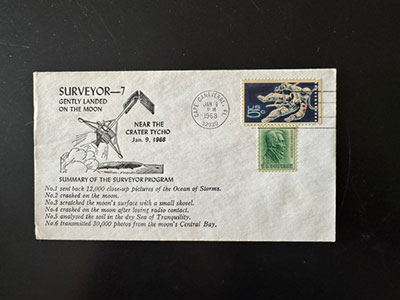 Apollo 7 — The first U.S. 3-man Apollo launch after the tragic lost of three astronauts nearly two years earlier during a launch pad spacecraft fire. This is one of my favorite artwork designed space covers with a realistic full rocket, astronaut crew, and the Apollo spacecraft in orbit. It was designed by Don Wiles as a series of contractor Apollo mission covers at Kennedy Space Center KSC). 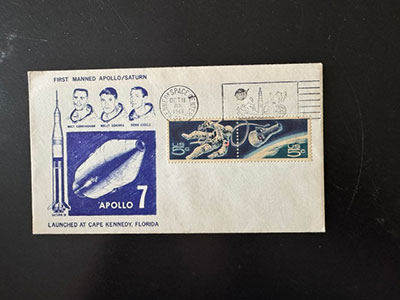 Apollo 11 — A lovely "Project Apollo" engraved cover honoring Apollo 11's "The First Step" on the moon by Neil Armstrong. It was produced by Dow-Unicover with artwork by Don Wiles and note the unusual hand cancel from KSC on the big day of July 20, 1969 as the whole world watched in wonder. 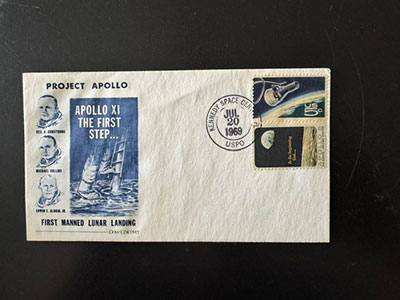 Skylab OWS — A nice airmail envelope by Cygnus Covers (#47) for the liftoff of the one-ton Skylab Orbital Workshop Station when launched May 1973 from KSC. It was America's first space station in earth orbit with this cover being autographed by all nine flown Skylab astronauts. 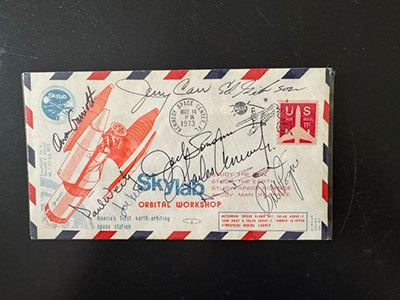 Apollo-Soyuz — Here is a popular Artcraft engraved first day cover of the Apollo-Soyuz Test Project (ASTP) international space docking mission between Russia and the United States in July 1975. The first day postmark of the newly-issued twin postage stamps is the same day as the actual launch of both spacecrafts signed by both international crews. 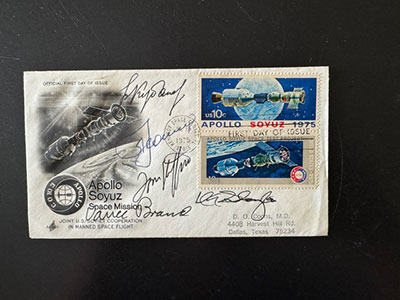 Viking 1 & Apollo 11 — Something different: A great combo-cover by the Space City Cover Society of Apollo 11's first manned lunar landing in 1969 combined with the first soft-landing of America's Viking 1 Mars lander in 1976. First posted from Houston (Mission Control Center) for Apollo 11 and Pasadena (Viking flight control) for Viking ON THE SAME JULY DAY of the 20th ten years apart. 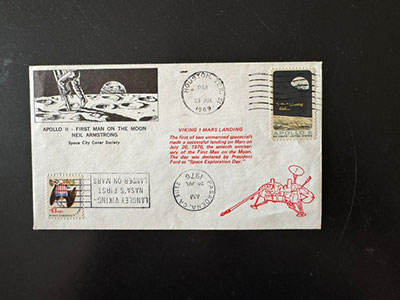 Space Shuttle ALT — NASA selects four astronauts to test pilot the first shuttle Enterprise orbiter during it's Approach and Landing Test flight series over a California desert during the late 1970's. The cachet artwork was produced by Robert Rank of Space Voyage Covers for this early ALT cover from Houston in February 1976. 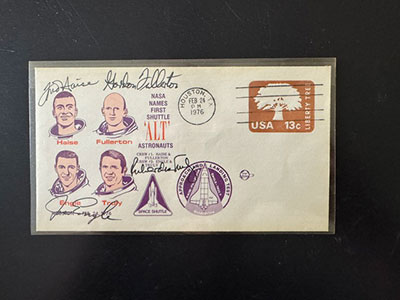 Voyager 2 — Note the artistic printed attached cachet cover for a Voyager 2 deep space probe closest approach to planet Jupiter in July 1979. The cachet also shows the Voyager spacecraft with the decal picture of Jupiter as seen from its nearest moon. 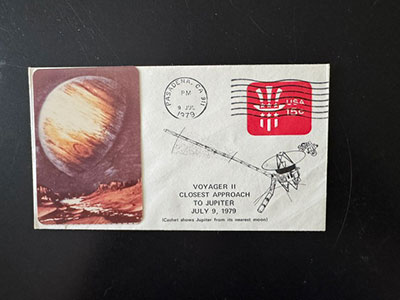 Space Shuttle (STS-1) — A multi-cancelled official NASA shuttle emblem program cachet by NASA Exchange Council. Not only does it have the maiden flight of STS-1, but also added on together are the next three Columbia space launch dates from 1981-82. All with Cape Canaveral hand postal cancels. 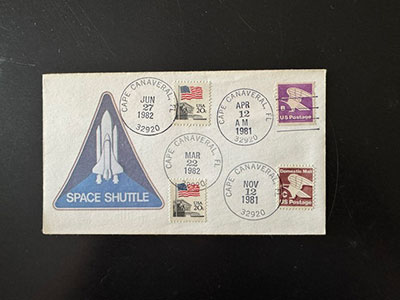 |
Bob M
Member Posts: 2099
From: Atlanta-area, GA USA
Registered: Aug 2000
|
posted 04-04-2026 06:29 PM
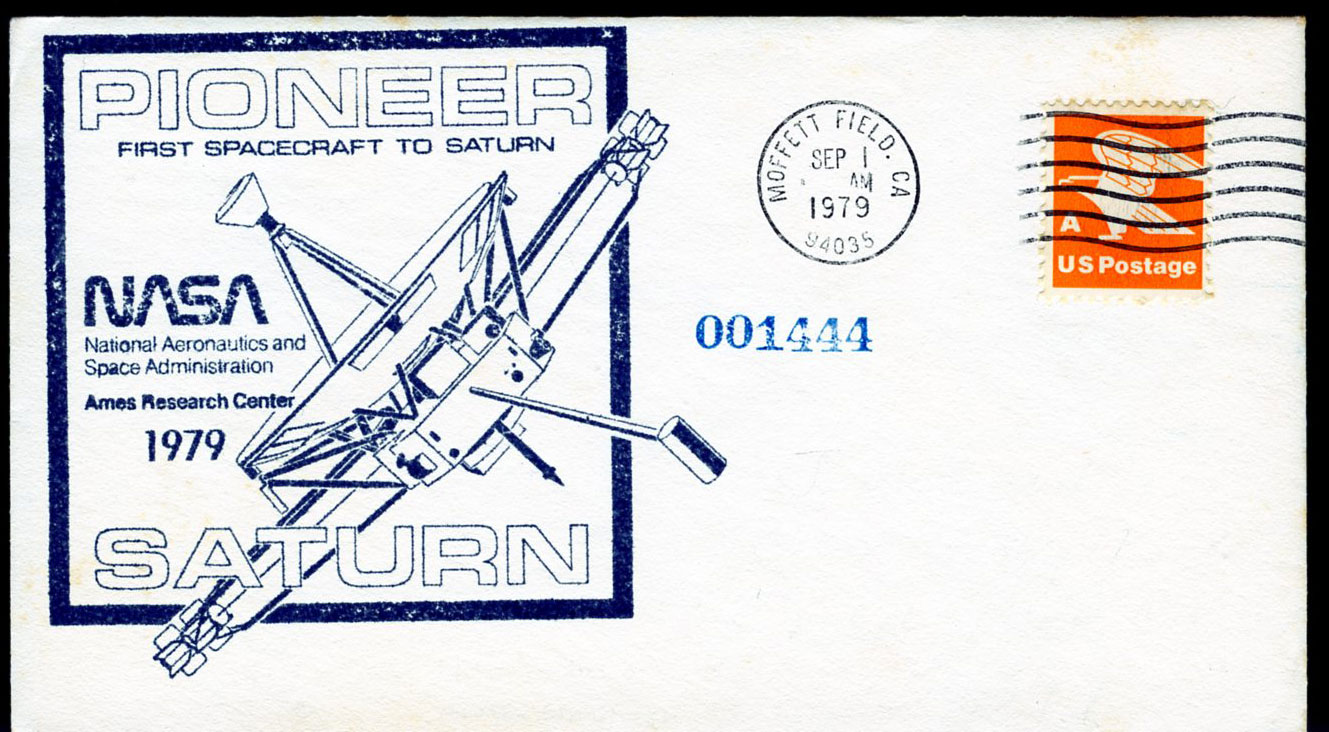
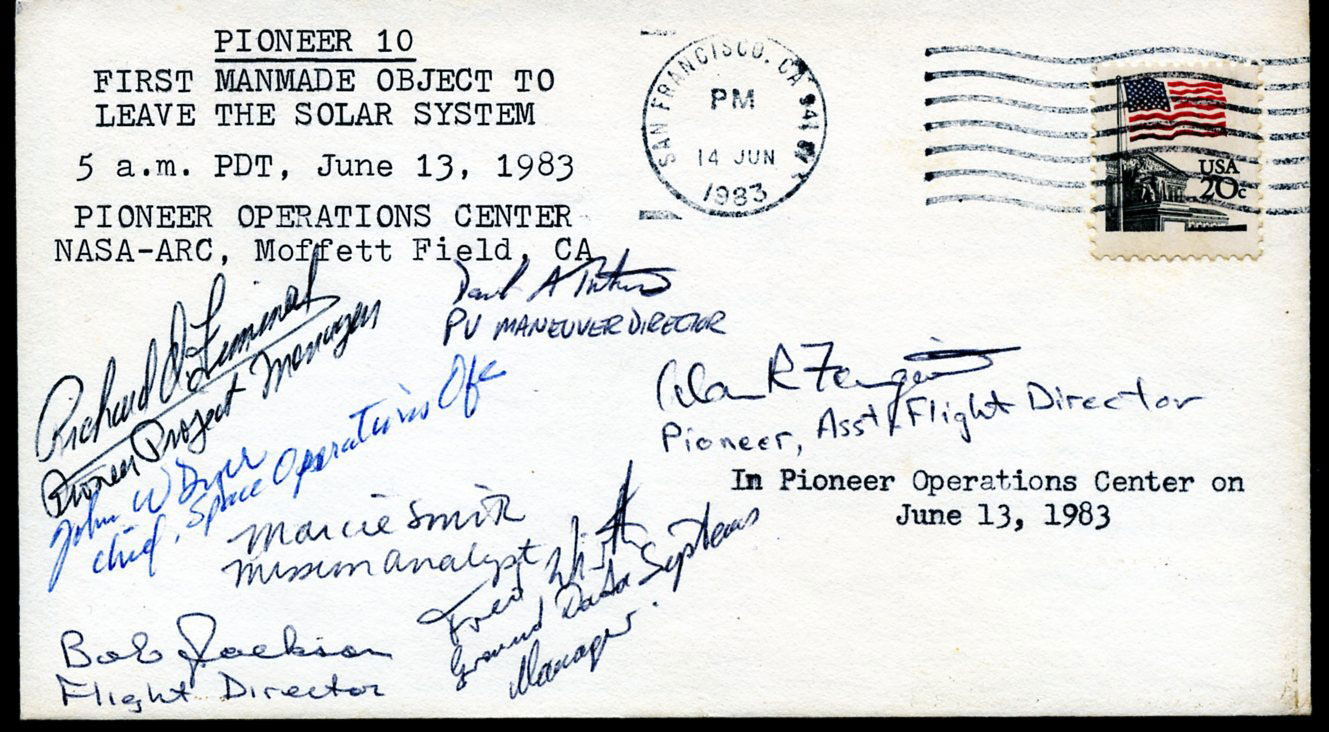
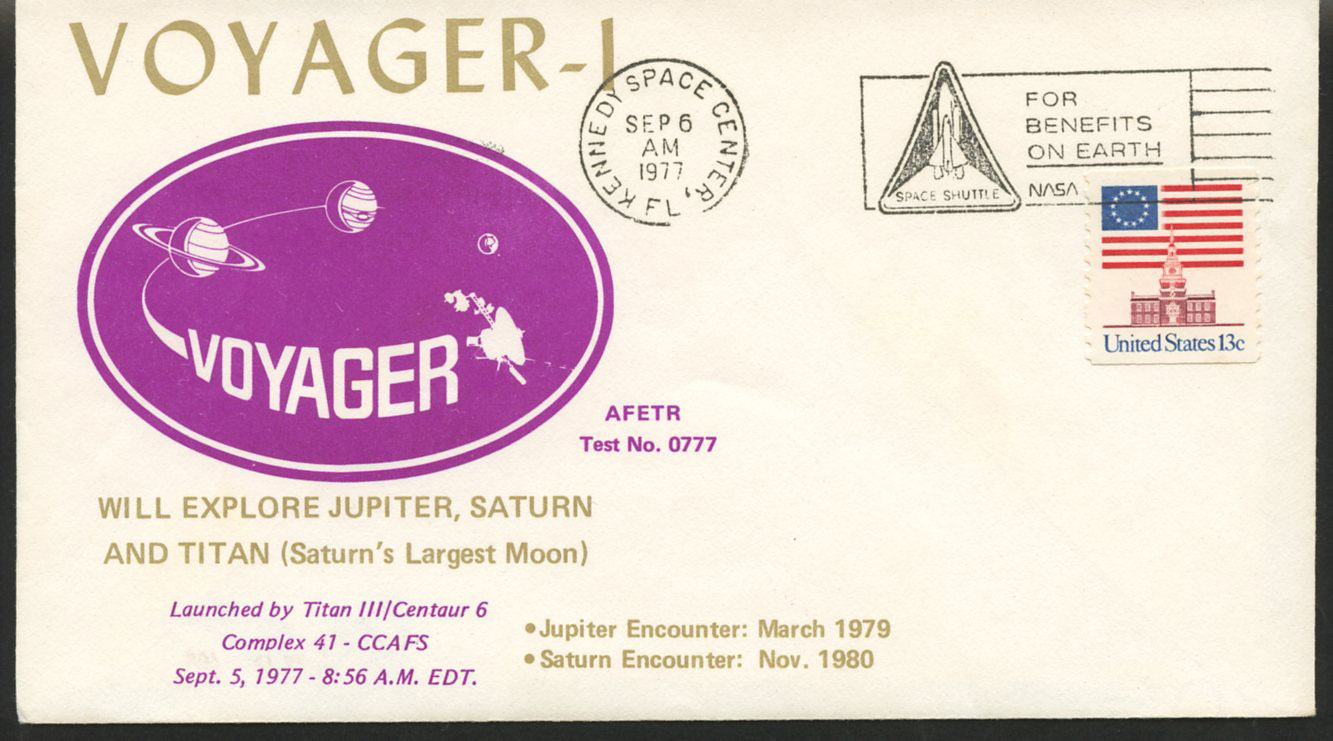
Thanks, Joel and Tim. And great and impressive 12 cover presentation, Ken. It was enjoyable to select one representative cover for each of the twelve US space flights/programs that, in my opinion, were the most historic and of most interest to space cover collectors from Explorer 1 to the early Space Shuttle flights. I've continued this listing by adding one additional historic US space program to the original 12; actually two, by including both Pioneers 10 and 11 together. This is an Ames Research Center Stamp Club cover canceled for Pioneer 11's encounter with Saturn. Pioneer 11 was the first spacecraft to encounter and fly by Saturn, after a previous fly by of Jupiter. Pioneer 11 was the second, after Pioneer 10, to traverse the Asteroid Belt and the second, after Pioneer 10, to leave our Solar System. 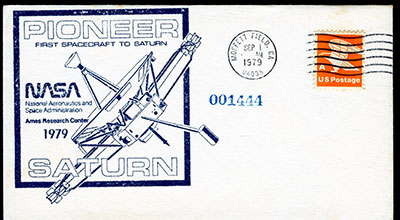 This cover was located inside the Pioneer Operations Center at NASA-Ames Research Center on the day that Pioneer 10 left the Solar System, as verified by the small typed message at bottom right that was added at Ames. In addition to being in the Pioneer Operations Center, it was also signed by many of the top Pioneer personnel at Ames, including the Pioneer Program manager. 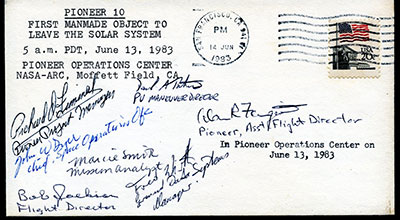 Both Pioneer 10 and 11 (and also Voyager 1 and 2) are on forever voyages into interstellar space, with Pioneer 10 leading the way, currently at 13 billion miles from earth, and with it being the most distant manmade object from Earth. Two Voyager 2 covers were shown in previous posts. So now to include a Voyager 1 cover, is a cover for its launch. Voyager 1 had fly bys of Jupiter and Saturn, including a fly by of less than 3,000 miles above the surface of Saturn's largest moon, Titan. 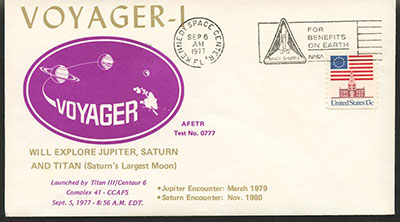 |
Axman
Member Posts: 913
From: Derbyshire UK
Registered: Mar 2023
|
posted 04-05-2026 04:54 AM
Excellent covers, and truly historic flights Bob. The pedant in me however feels compelled to correct a couple of points...Widely stated as the first spacecraft to "leave the solar system" Pioneer 10 on 13th June 1983 actually crossed the orbit of Neptune. There is no recognised boundary to the solar system per se. The solar system extends well beyond the orbit of Neptune. The best definition for the edge of the solar system is the heliopause, which fluctuates over time, and is distorted being squashed inwards in the direction of galactic travel. It is much farther than the orbit of Neptune (~140 AU versus 30 AU). Launched in 1977, Voyager 1 entered interstellar space in August 2012, making it the first human-made object to leave the heliosphere. It is also the farthest manmade object from Earth right now. Voyager 1 overtook Pioneer 10 on 17th February 1998 to become the most distant manmade object. Voyager 2 is second farthest having passed Pioneer 10 on 18th July 2023. Voyager 1 and 2 have flown farther than Pioneer 10 and 11 even though they set out years later because of three factors: - They had an initial higher velocity due to launch capability.
- They gained better gravity assists from flybys.
- They are pointed at different galactic orientations.
However Pioneer 10 will regain some kudos in future. In about 90,000 years, Pioneer 10 will pass 0.75 light-years from the star HIP 117795. This is the closest stellar flyby in the next few million years of all the Pioneer, Voyager, and New Horizons spacecraft, which are currently leaving or have left the Solar System. |
Bob M
Member Posts: 2099
From: Atlanta-area, GA USA
Registered: Aug 2000
|
posted 04-05-2026 09:51 AM
Thanks, Alan, as deciding on covers to use was interesting and especially finding information on Voyager 1/2 and Pioneer 10/11 was quite fascinating.The Voyager craft and the Pioneer craft are involved in an interstellar space race that will last forever and have no finish line (?). It looks like Pioneer 10 has the lead and, while traveling at 27,000 mph, will still take an eternity to reach the vicinity of the first star system on its forever voyage (of course, all four craft are traveling in different directions, with Voyager 1 and 2 traveling in opposite directions from each other). Yes, there is no exact edge or point where our solar system ends and interstellar space begins, and there are several points to consider. But at the time of Pioneer 10, the scientists chose the orbit of Neptune as the border, and then at 5 am, PDT, June 13, 1983, Pioneer 10 crossed it. |
yeknom-ecaps
Member Posts: 986
From: Northville MI USA
Registered: Aug 2005
|
posted 04-05-2026 02:02 PM
On June 13, 1983, Pluto was closer to the Sun than Neptune. Due to its highly elliptical orbit, Pluto was in a 20-year period (from 1979 to 1999) where it crossed inside Neptune's orbit, temporarily making Neptune the most distant planet from the Sun, a fact highlighted by the Pioneer 10 probe passing Neptune's orbit on that day. Thus exiting the solar system going beyond the farthest planet in that direction as the cover indicated. |
Axman
Member Posts: 913
From: Derbyshire UK
Registered: Mar 2023
|
posted 04-06-2026 04:18 AM
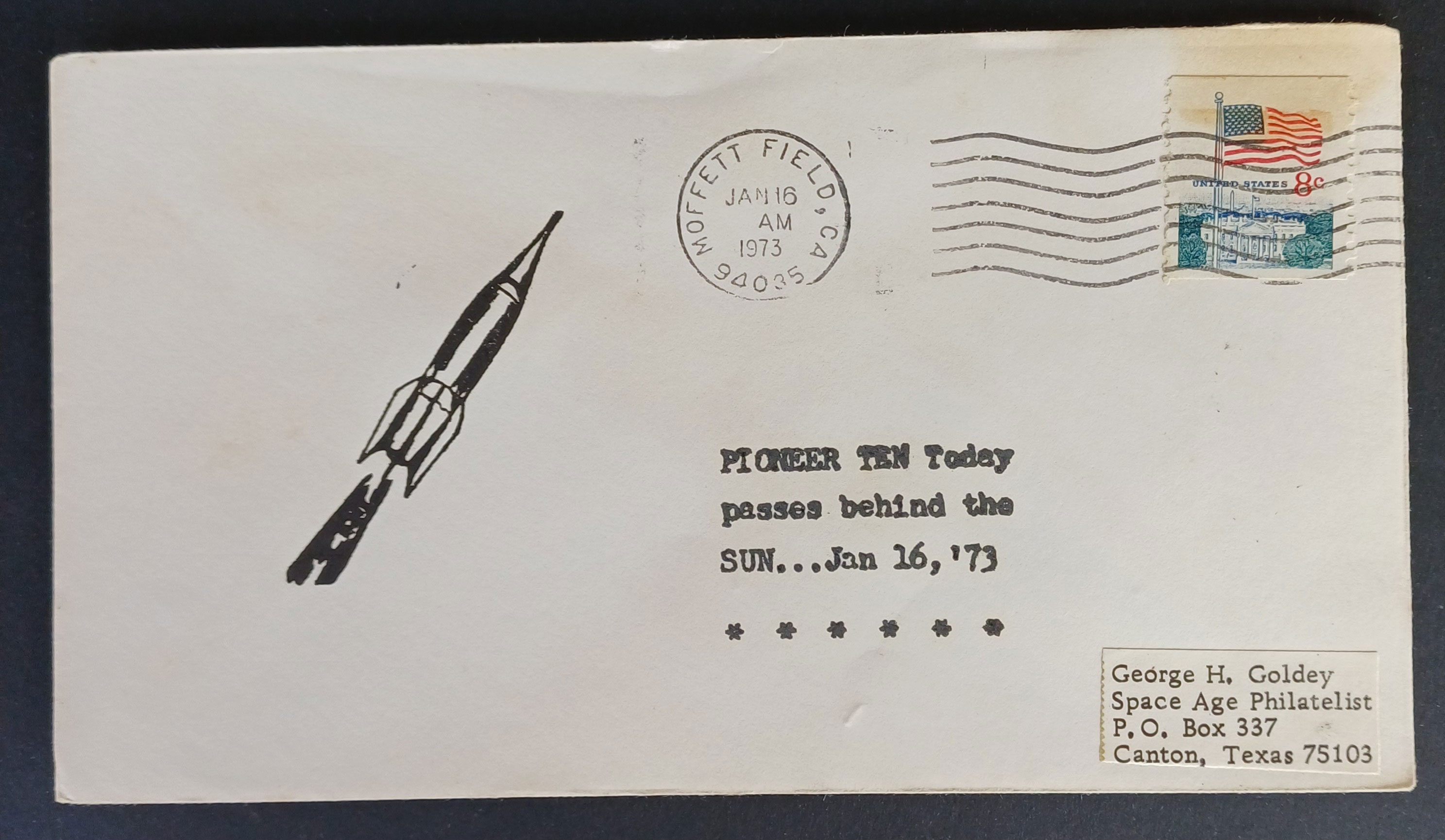
I am not disputing that Pioneer 10 crossed the orbit of the outermost planet of the solar system in 1983, but that event did not mean that Pioneer 10 exited the solar system.Pluto was a planet in 1983 and was indeed inside the orbit of Neptune, making Neptune the outermost planet of the solar system then. Now Pluto is farther out than Neptune but has been reclassified as a dwarf planet, making Neptune once more the outermost planet even though it is closer to the sun than Pluto. But nobody disputes that Pluto is part of the solar system. As are Haumea, Makemake and Eris. So is the Kuiper belt. All farther out than Pluto. And although the earliest Kuiper belt body was discovered in 1992 (making Makemake, Eris and Haumea unknown in 1983), it has been known since the 17th century that long period comets exist as part of the solar system. Being the outermost planet does not define the edge of the solar system. It is just a convenient boundary to have been celebrated by the Pioneer 10 team. So no Tom, I (and the International Astronomical Union) must disagree, Pioneer 10 did not exit the solar system on June 13th 1983 and indeed may still be within it if it hasn't yet crossed the Heliopause - we'll just have to guess when that will be as Pioneer 10 stopped transmitting data in 2003. EDIT: The easiest way to point out the artificiality of the seemingly precise (scientific) nature of the aforementioned cover is this: First Manmade Object to leave the solar system 5am PDT 13 June 1983.
The time equates to 12.00 UTC 13 June 1983. The time was chosen to coincide with the ephimerides of Neptune's orbit. It is not an exact time that Pioneer 10 crossed Neptune's orbit, but the nearest calculable date to within which the distance could be compared. Neptune was on the opposite side of the sun to the spacecraft when Pioneer 10 "crossed it's orbit". So the orbit is an entirely theoretical context. There were no white lines in space, there was no planet to pass by. Neptune was heading towards Aphelion but had another 61 years to go to reach that, indeed it still isn't there (it will eventually get there in 2044), so even the theoretical crossing in 1983 is not the farthest point away from the sun of Neptune's orbit. Neptune's orbit is calculated to the centre of the planet. Neptune has a diameter of 49,528 km. So half the planet is hanging outside the solar system supposedly. That is 24,764 km of planet outside the solar system. With Pioneer 10 travelling at 43,200 kph, that's another half hour of travel to go to get beyond the far side of Neptune, all of which time Pioneer 10 is recorded to have "exited the solar system." Neptune also has moons, the largest of which is Triton (discovered in 1846). At 129 degrees to the ecliptic, and three-quarters of the way to aphelion on 13th June 1983, at a semi-major axis of 354,759 km, it too would therefore be preposterously hanging nearly a quarter of a million kilometers outside the solar system, accordingly. Anyway, enough of the theoretical. Here is another cover that celebrates the wonderful achievements of Pioneer 10. This one a little earlier in time when the spacecraft was obscured behind the Sun on its spiralling outward journey. 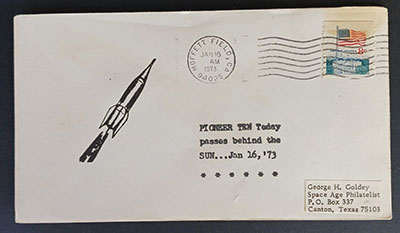 |
Ken Havekotte
Member Posts: 4047
From: Merritt Island, Florida, Brevard
Registered: Mar 2001
|
posted 04-06-2026 07:02 AM
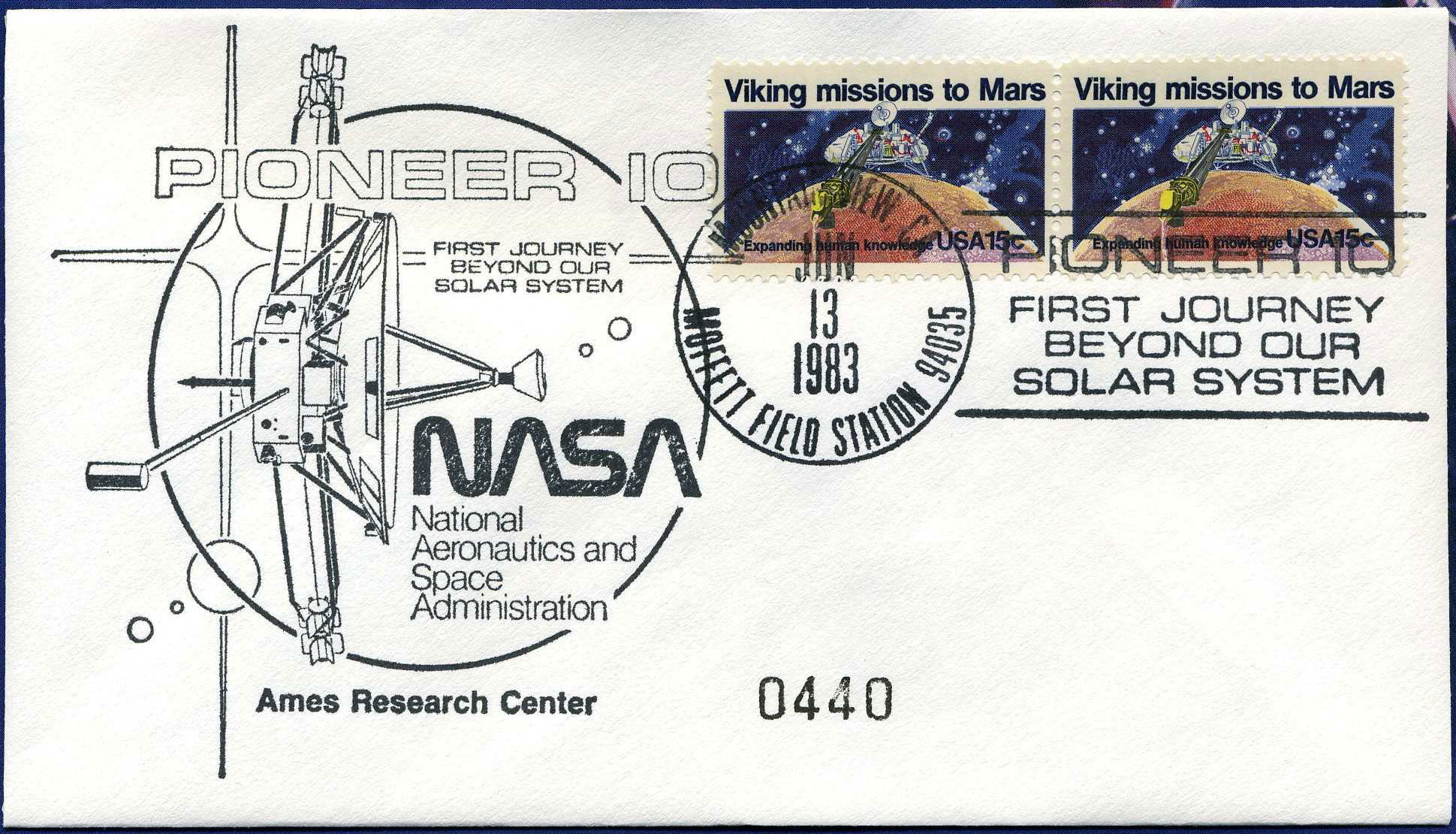
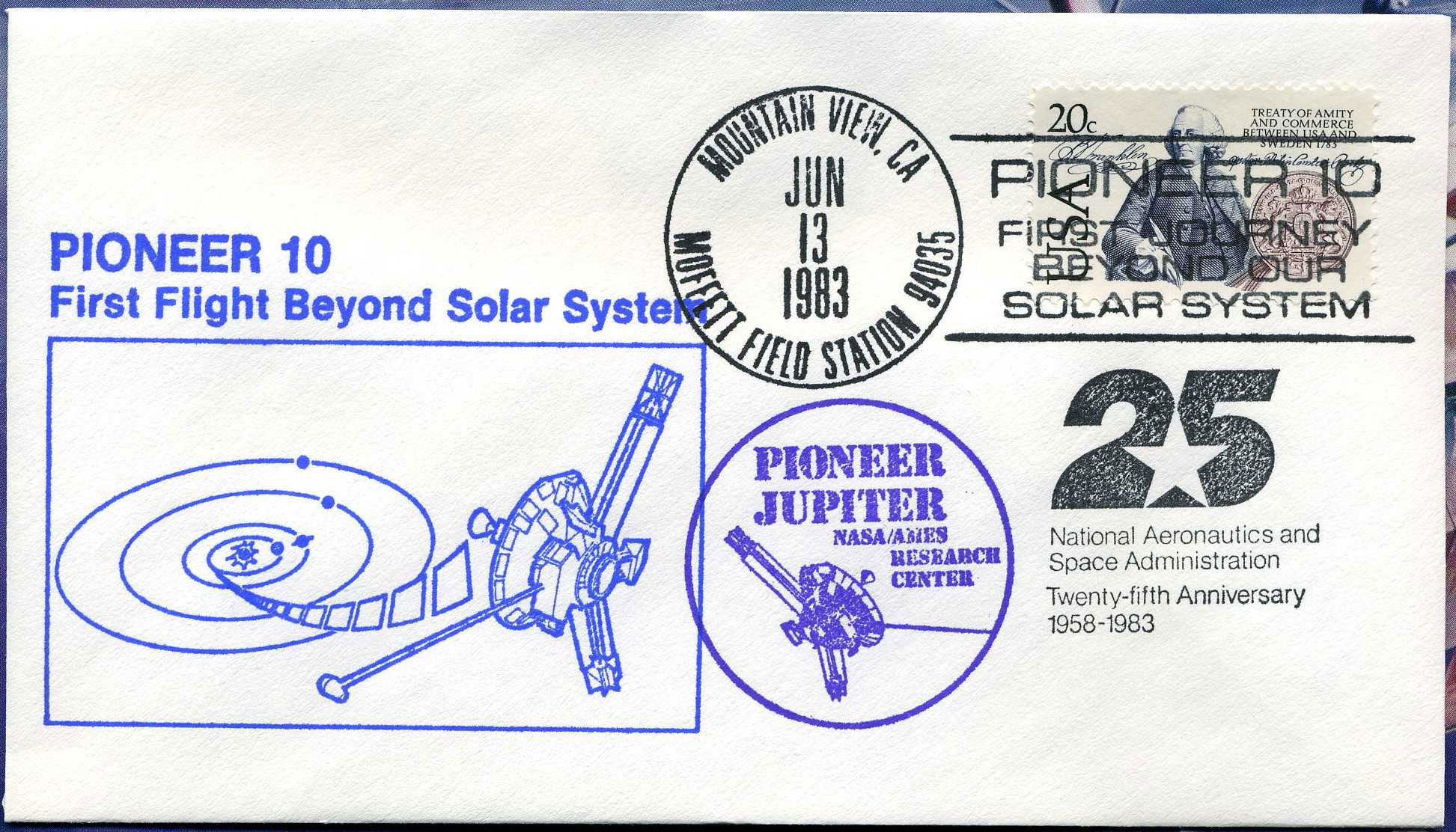
As an avid Pioneer 10/11 space cover collector, I well recall the enthusiasm and excitement when Pioneer 10 "supposedly" was the first man-made object to pass beyond the solar system and beforehand pass through the asteroid belt and reach Jupiter, providing the first close-up images of the giant planet.I had viewed the Atlas-Centaur launch up close in March 1972 as a high schooler, and since then, became a big fan and collector of the program. To help recognize what an incredible feat this had become in June 1983, even an official government U.S. post office at Mountain View, CA, which was the Pioneer flight control center at NASA's Ames Research Center, issued a special pictorial postmark reading, "Pioneer 10 First Journey Beyond Our Solar System." A few other postal stations in the country did so as well. During the 1980's at the time, many generally viewed the planetary region of the Solar System as ending around the region of Neptune and Pluto. While theoretical models suggested the existence of cometary bodies further out, the Kuiper Belt (the vast region of icy bodies beyond Neptune), had not yet been discovered or confirmed, and Pluto was still considered a full-fledged planet on the edge of the system. That's just the way it was back then.
|
rvk
Member Posts: 46
From: Highlands Ranch, CO USA
Registered: Jul 2020
|
posted 04-06-2026 03:56 PM
Bob, Ken, thank you for including the Pioneer 10/11 Missions to Jupiter and Saturn as significant events in space exploration. They were the first beyond the asteroid belt and the pathfinders for all future missions to the outer planets. Attached are two covers that show the special cancellation that Ken mentioned to commemorate Pioneer 10 leaving the solar system. The Pioneer 10 black ink cachet was issued by the NASA ARC Stamp Club. The Pioneer 10 blue ink cachet on the other envelope was issued by the NASA ARC Public Affairs office. Pioneer Mission Control was conducted at ARC in Building 244. 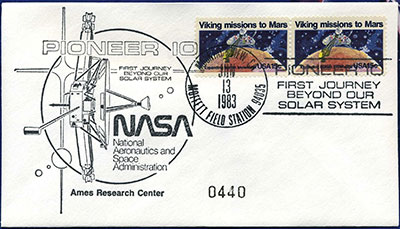 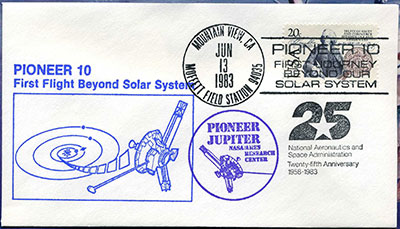
| |
Contact Us | The Source for Space History & Artifacts
Copyright collectSPACE. All rights reserved.

Ultimate Bulletin Board 5.47a
|
|
|
 advertisement advertisement
|