July 3, 2026 — Did you know that the space shuttle once launched the Statue of Liberty into space?
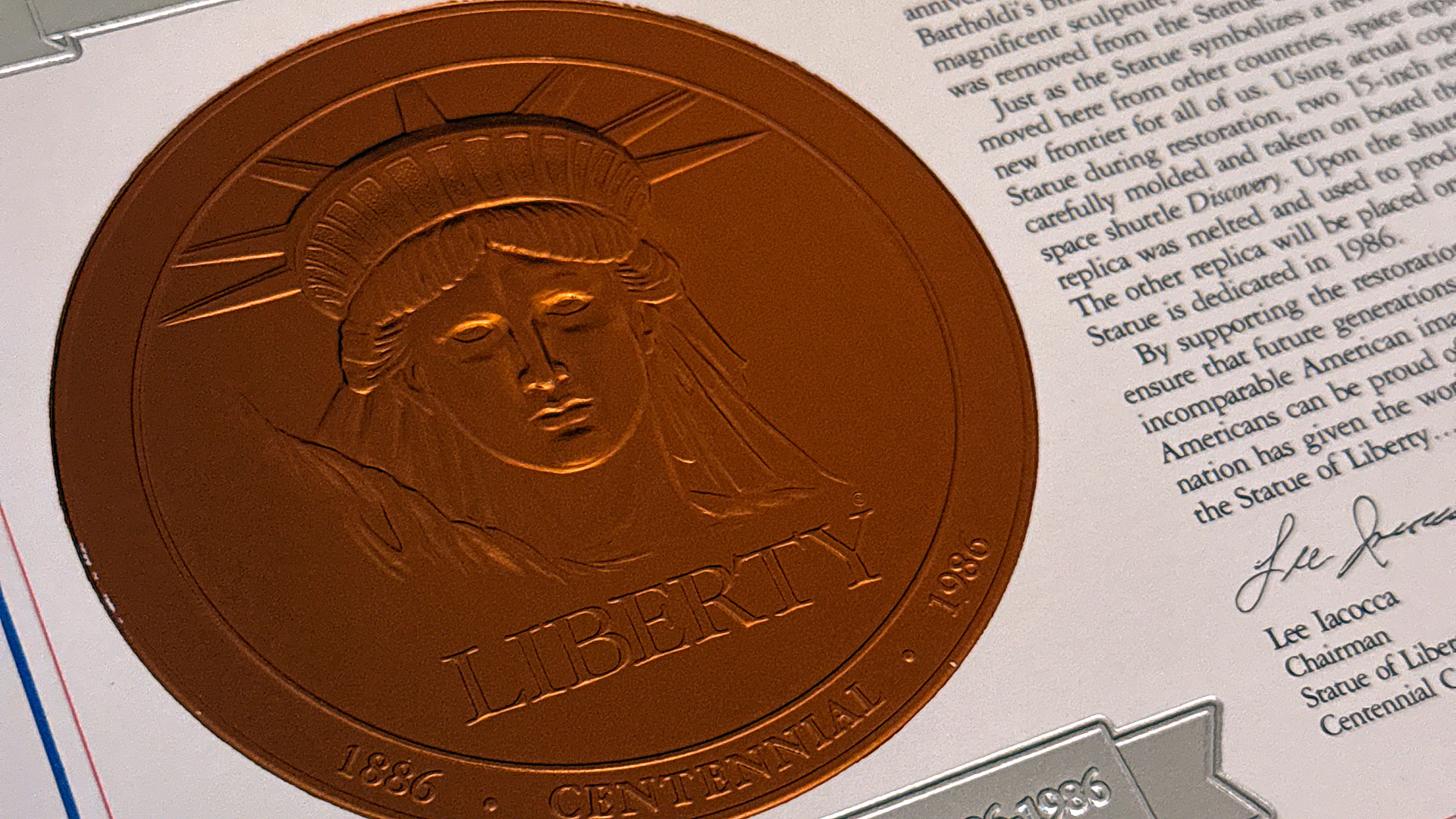
In fact, there were two "Lady Liberties" on board Discovery when it lifted off on its fourth flight in April 1985. To be fair, each statue was only 15 inches tall (38.1 centimeters), but they were also each made of copper that was removed from the full-size statue during its then-still-ongoing restoration.
After the week-long STS-51D mission was over, one of the space-flown statues was placed on display and the other was melted down to create copper seals, which were then sold to the public by the Statue of Liberty Ellis Island Centennial Commission.
The copper dated back to the statue's original 1875 to 1884 construction. A gift from France, the Statue of Liberty was originally intended to commemorate the United States' centennial in 1876.
Now, as the U.S. celebrates its 250th birthday, there has been an additional four decades of spaceflights when other objects from American history have been carried into Earth orbit. Which raises the question: What is the oldest known piece of Americana to have been launched off the planet?
Oldest astronaut, oldest artifact?
For the purposes of this article, Americana refers to any piece of memorabilia that dates as far back as to the Revolutionary War and signing of the Declaration of Independence in 1776. There are certainly older objects that have entered space — a 1611 Jamestown "luggage tag" from the first permanent English settlement was flown on Atlantis in 2007, for example — but fall outside this article's scope.
John Glenn, one of the original Mercury astronauts and a U.S. Senator, was the oldest person to fly into space when he launched on a 1998 Discovery mission at the age of 77. Among the items he chose to take with him were two connected to early American history.
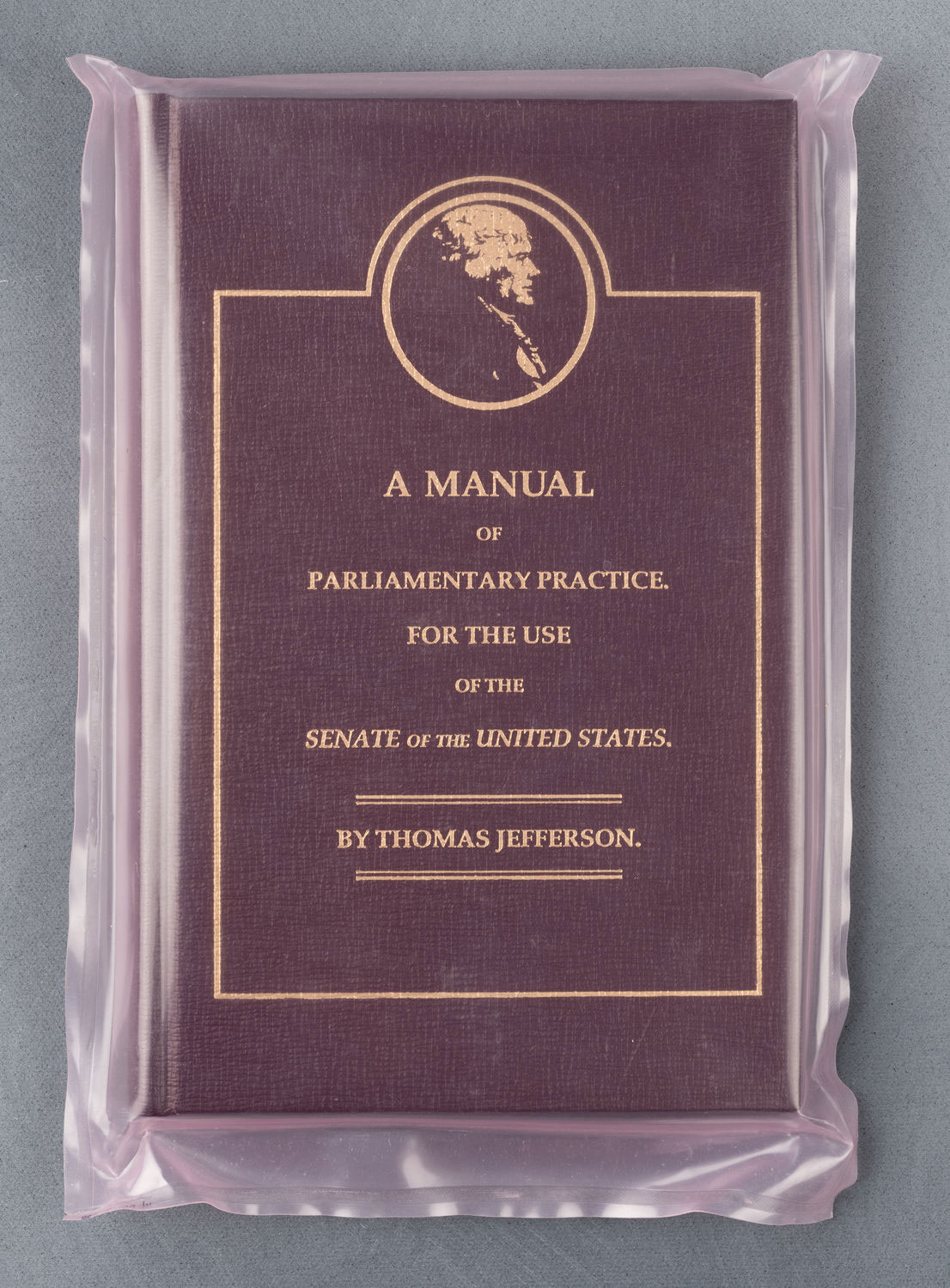
"After consultation with staff in the Office of Senate Curator, the Senate Historical Office and Senate Library, Senator Glenn selected this "Manual of Parliamentary Practice" for the STS-95 OFK," the Senate Curator's Office described in a 2023 article, referring to the Official Flight Kit that held mementos and memorabilia for post-flight presentation. "The 'Manual of Parliamentary Practice' was a practical choice because of its relatively small size and weight, but it is also a meaningful text in Senate history."
Written by Thomas Jefferson in 1801 while he was serving as Vice President (and therefore the head of the Senate), the manual influenced both houses of Congress as to how to approach order and decorum.
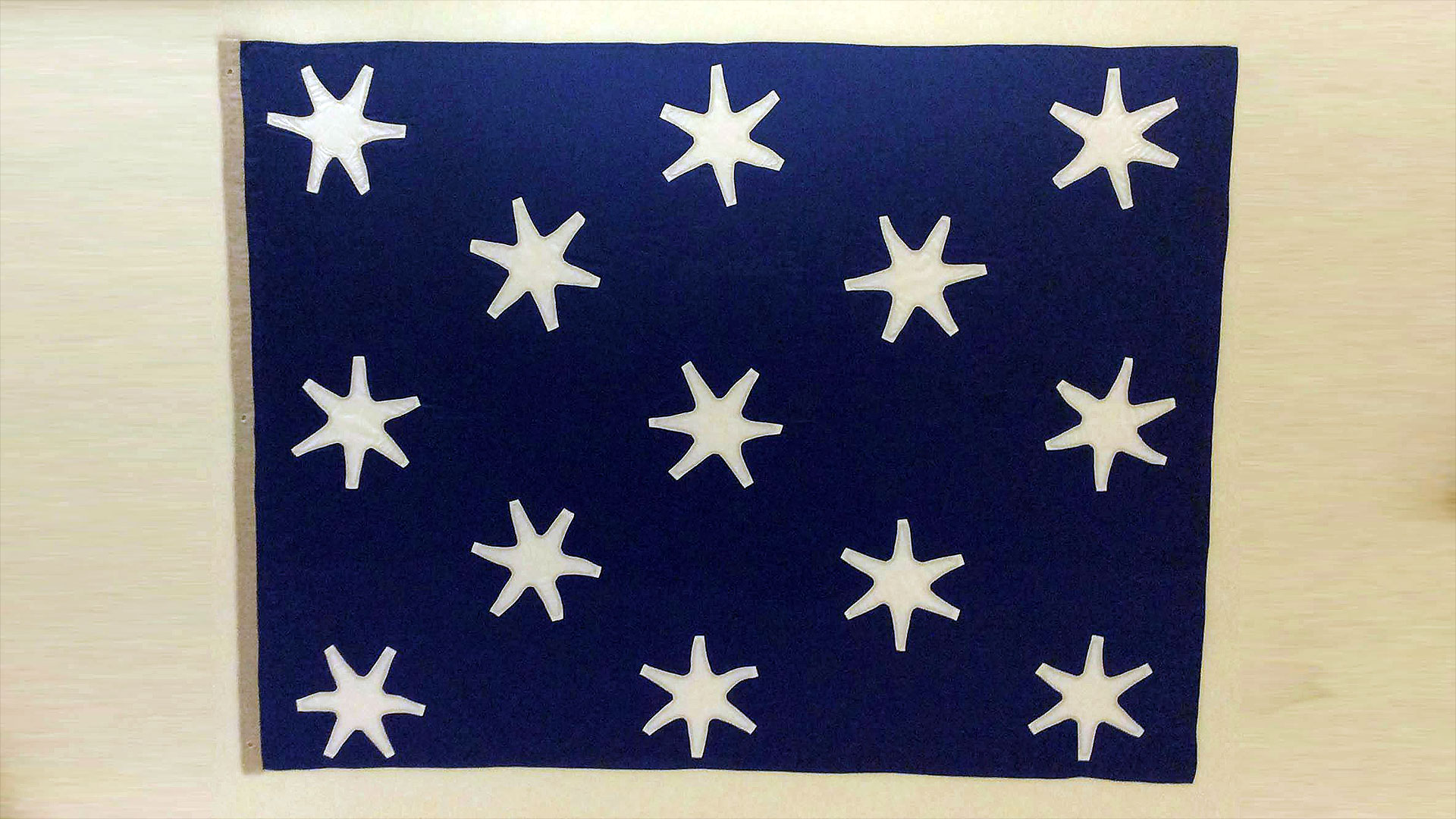
Glenn also took with him a 13-star flag that was used to identify General George Washington on the battlefield. Believed to be inspired by the details on the General's uniform in 1777, Washington's Headquarters Flag (also known as the Commander-in-Chief standard) flew with Glenn in the lead up to the bicentennial commemorations of Washington's death in 1799.
Both the flag and the manual, though, were reproductions. The originals are in museums and are deemed too fragile and irreplaceable to risk being launched into space. The copy that Glenn flew was a 1993 reprint and the flag was made for Glenn to fly in 1998.
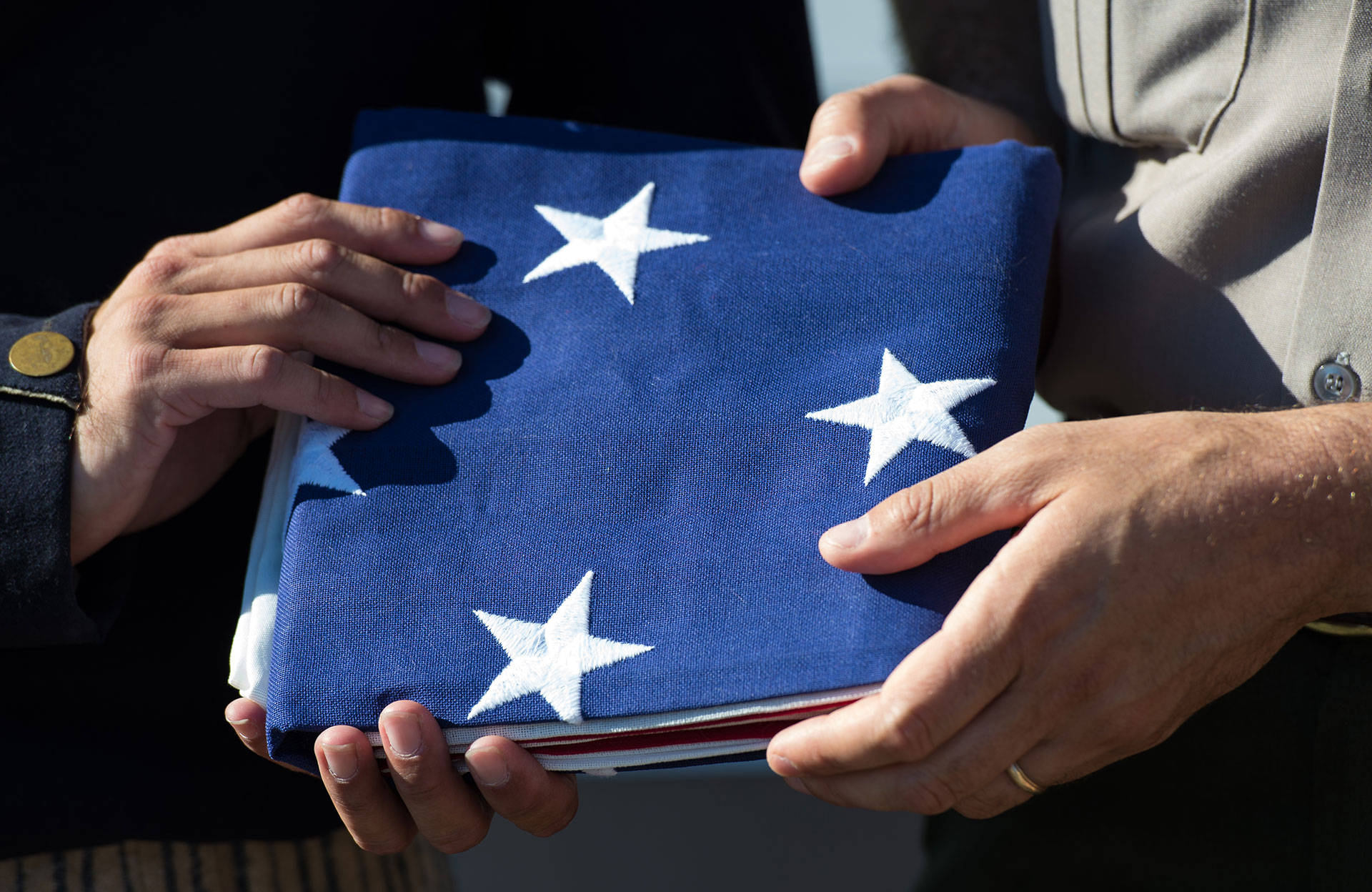
Another replica flag steeped in American history was aboard the International Space Station from November 2014 through June 2015. NASA astronaut Terry Virts was provided the 15-star flag by Fort McHenry in Maryland, after it was flown over the historic site for Flag Day during the bicentennial year of the Battle of Baltimore. The original of that flag was seen by Francis Scott Key to "yet wave," leading him to write a poem that became the U.S. anthem, "The Star-Spangled Banner," in 1814.
Nailing down the (possible) oldest
In May 1869, a 17.6-karat gold spike was used to ceremonially complete the First Transcontinental Railroad at Promontory Summit in the then-Utah Territory. Today, the site is a National Historical Park located near where Northrop Grumman builds and tests solid rocket motors for space launch vehicles.
Ninety-six years later, a replica of the Golden Spike was launched on Atlantis with the STS-38 crew.
It was another spike, however, that is believed to be the oldest Americana artifact to have flown into space.
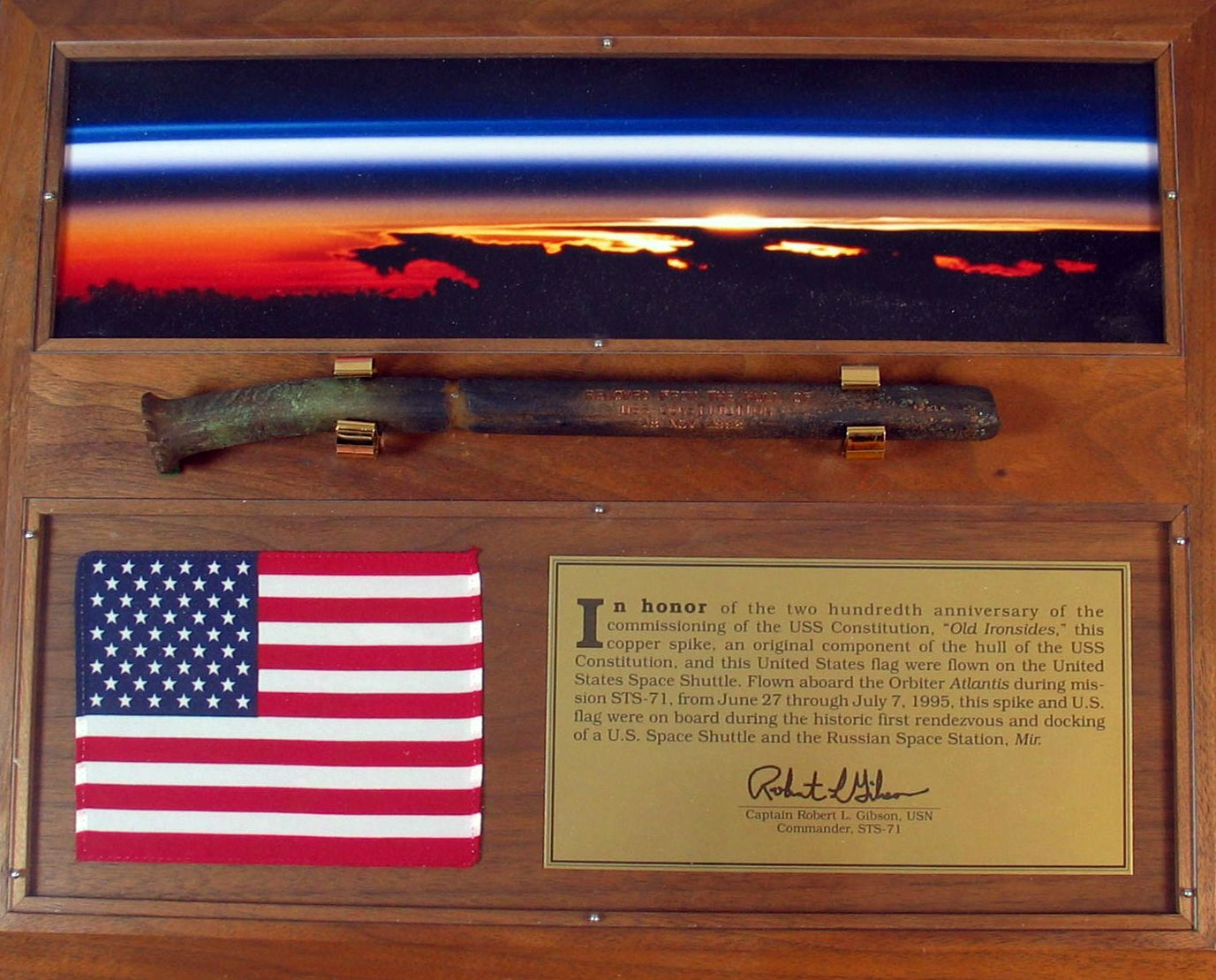
"In honor of the 200th anniversary of the commissioning of the USS Constitution, "Old Ironsides," this copper spike, an original component of the hull of the USS Constitution, [was] flown on the United States space shuttle," a plaque presenting the nail reads.
The spike, which was removed from the ship in 1992 and dates back 1797, was aboard Atlantis for the entirely of the STS-71 mission, from June 27 through July 7, 1995. The mission marked the first rendezvous and docking between a NASA shuttle and the former Russian space station Mir.
Another Constitution piece, a fragment of wood of similar age, was launched into orbit with the Hubble Space Telescope on STS-31. The piece was on loan at the U.S. Naval Academy Museum in Annapolis, Maryland. |
|
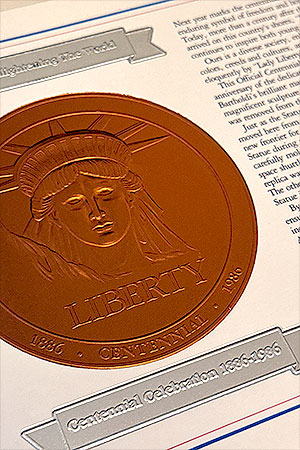
A seal made from reclaimed copper from the Statue of Liberty and then flown on the space shuttle Discovery in 1985. (collectSPACE)
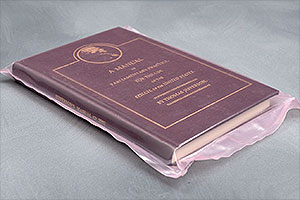
A 1993 reprint of Thomas Jefferson's 1801 book, the "Manual of Parliamentary Practice," was flown by John Glenn on the space shuttle Discovery in 1998. (U.S. Senate Collection)
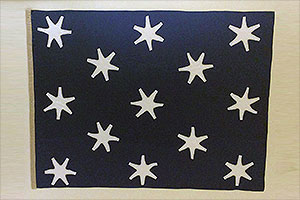
John Glenn flew a replica of General George Washington's 1777 Headquarters Flag aboard the space shuttle Discovery in 1998, in the then-lead up to the bicentennial commemorations of Washington's death in 1799. (Museum of the American Revolution)
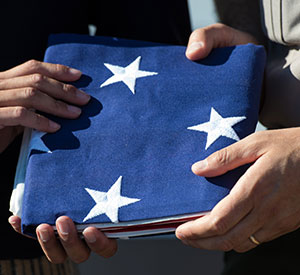
A replica of the Star Spangled Banner that was flown aboard the International Space Station by NASA astronaut Terry Virts during Expeditions 42 and 43 in 2014 to 2015. (NASA/Joel Kowsky) |