advertisements advertisements
|

|
NASA opens Lunar Receiving Park where moon rocks were first held
March 25, 2026 — Neil Armstrong slept here.
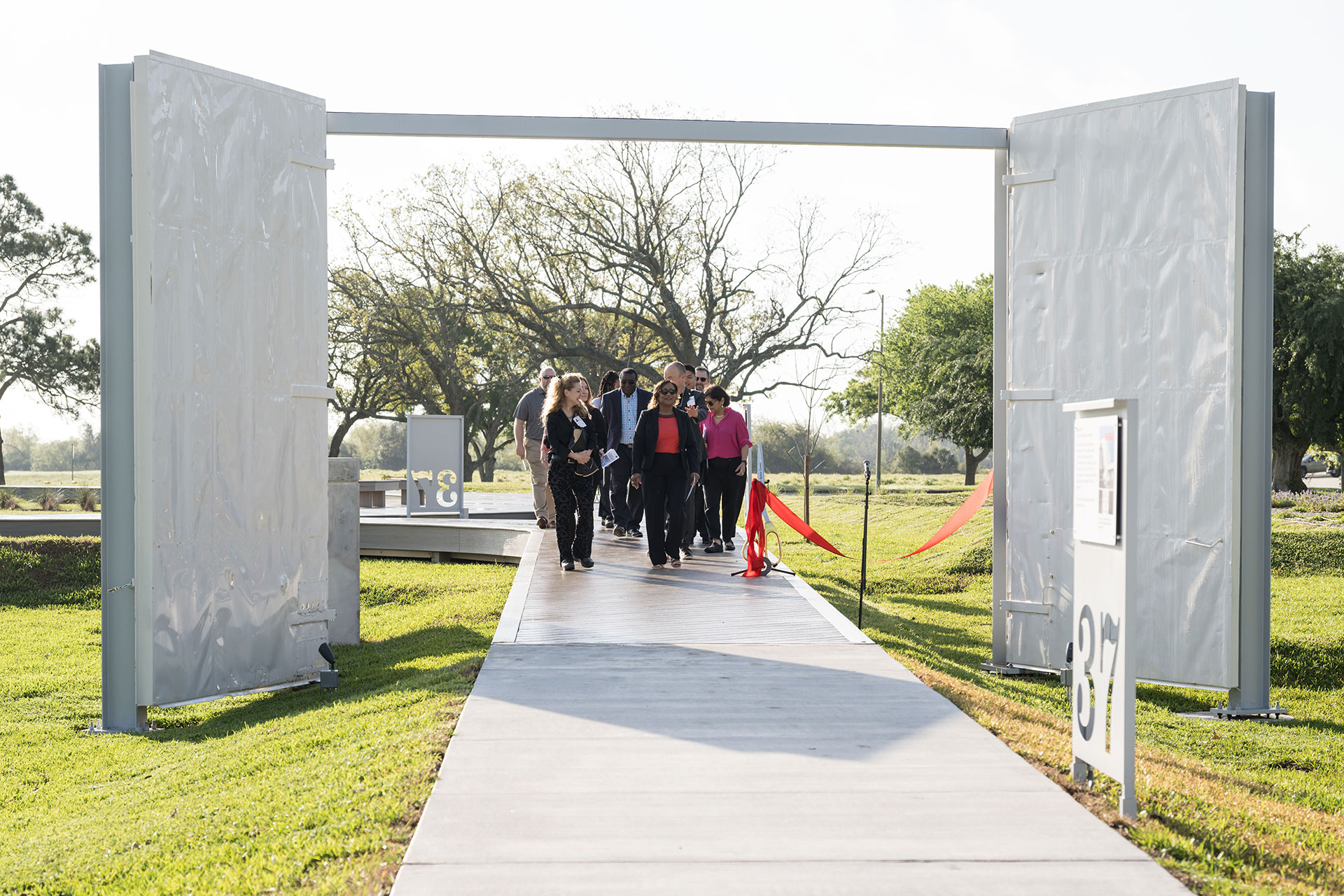
Michael Collins and Buzz Aldrin did too. Columbia, their Apollo command module, was behind those large metal doors.
Oh, and the moon rocks they brought back to Earth? They were here, too, by the trees to the left of the bench.
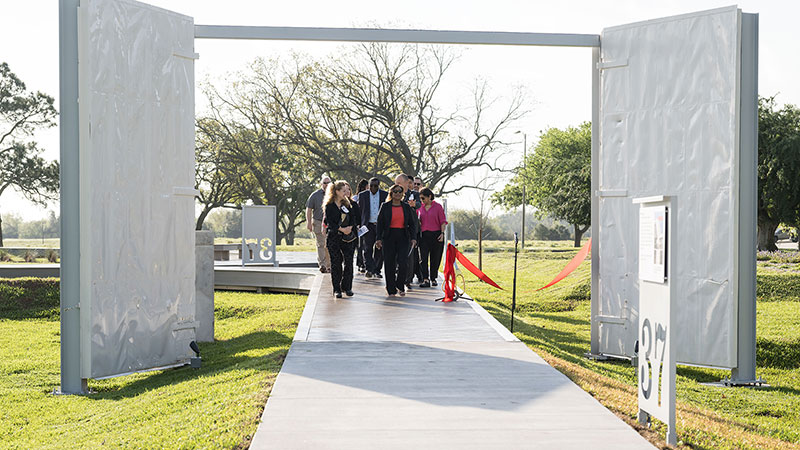
What sounds like it could be a museum tour or a walkthrough of a historic building is instead the layout of the new Lunar Receiving Park at NASA's Johnson Space Center in Houston, Texas. The interpretative outdoor space, which was created as a tribute to the history of the site, was opened on Wednesday (March 25) during a dedication ceremony.
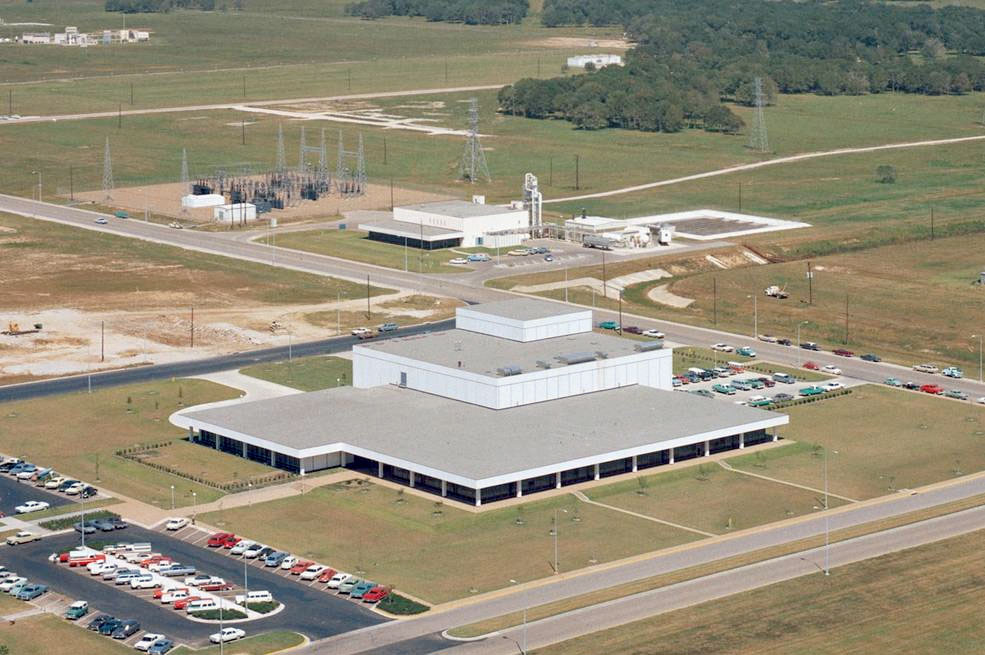
The park commemorates the former Lunar Receiving Laboratory (LRL), the first facility to quarantine, study and preserve human-returned samples from another world. Also known as Building 37, the LRL was purpose built to curate the moon rocks and soil brought back to Earth by the Apollo astronauts — and serve as temporary home to the first three landing crews to ensure they were not exposed to any lunar microbes.
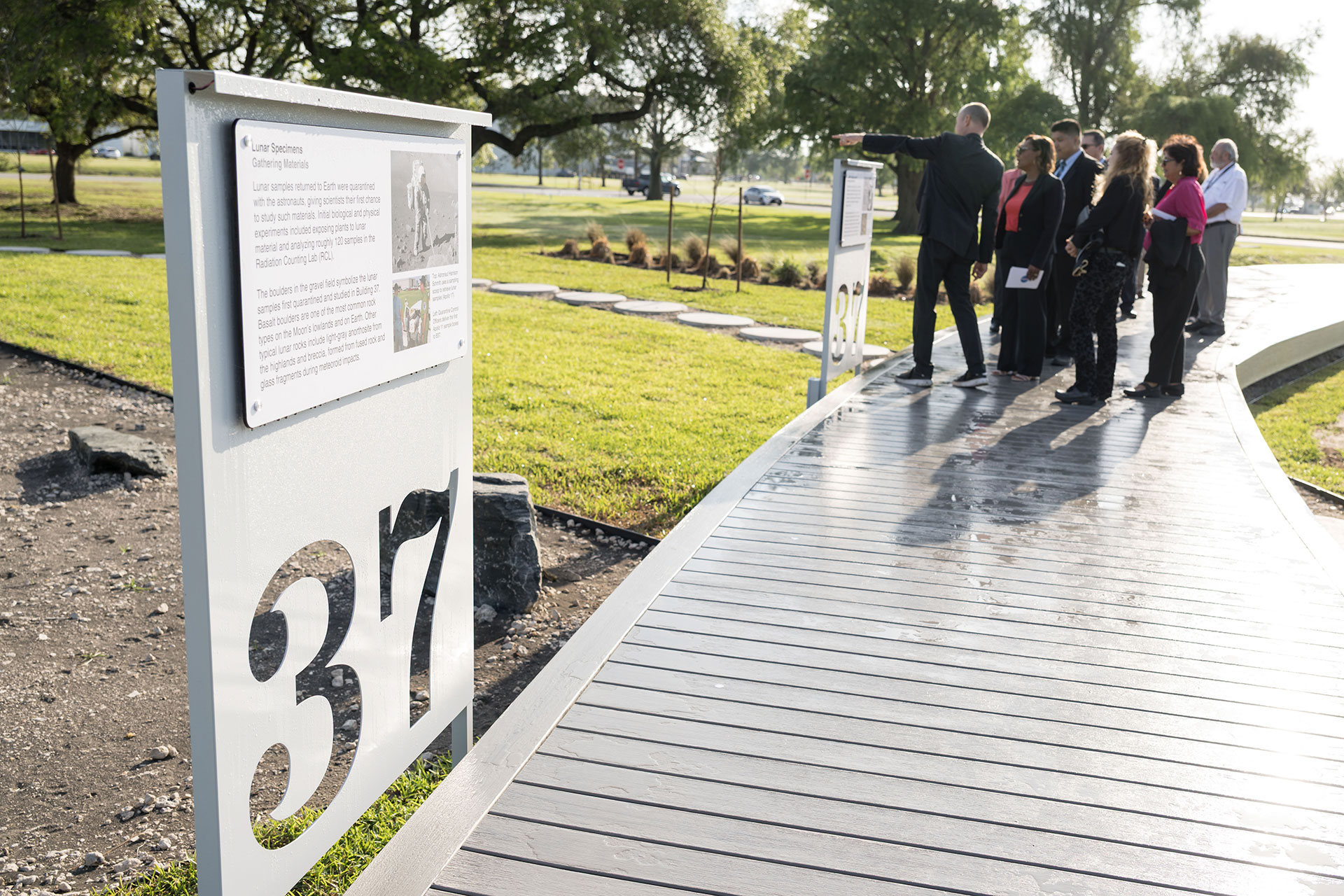
"The success of the Apollo program's planetary protection relied on managing and handling all extraterrestrial materials brought to Earth," reads one of the first signs that visitors come across when entering the park. "Equally important was isolating lunar samples and potentially contaminated personnel and materials, such as space suits and spacecraft parts, until they could be determined safe."
"These critical planetary protection measures commenced during the moonwalk itself and continued throughout the return journey from the moon to Earth, during the sensitive period after splashdown, on the trip from the recovery ship, and lastly to right here where JSC Building 37 (B37) once stood," the sign reads.
Built between 1966 and 1969, the 83,000 square-foot (7,700 sq m) LRL included a crew reception area, a vacuum laboratory, sample laboratories, an underground radiation counting laboratory and an administrative and support area. The Apollo 11, Apollo 12 and Apollo 14 astronauts completed their 21-day quarantine period in the building.
By Apollo 15, scientists had confirmed that the moon was devoid of life and so the subsequent three crews no longer needed to be sequestered.
In 1977, construction began on Building 31N, or the Lunar Sample Laboratory Facility, which replaced the LRL's use two years later, providing permanent storage for the 842 pounds (382 kg) of Apollo moon samples in a secure and non-contaminating environment. Building 37 next became home to NASA's Life Sciences division, with laboratories focused on how the human body adapts to the microgravity environment of space.
In 2018, after Life Sciences moved into Building 21, the new Human Health and Performance Laboratory, NASA began planning to demolish the original LRL. As Building 37 was eligible for listing on the National Register of Historic Places and therefore under the protection of the National Historic Preservation Act, Johnson Space Center's Historic Preservation Officer, in consultation with the Texas State Historic Preservation Officer, recommended the creation of a memorial park.
A subsequent workshop brought together members of the surrounding community, the NASA History Office and space history community to advise on the design.
In August 2024, Building 37 was raised. Budget constraints briefly threatened the park going forward, but work began to prepare the site for its opening.
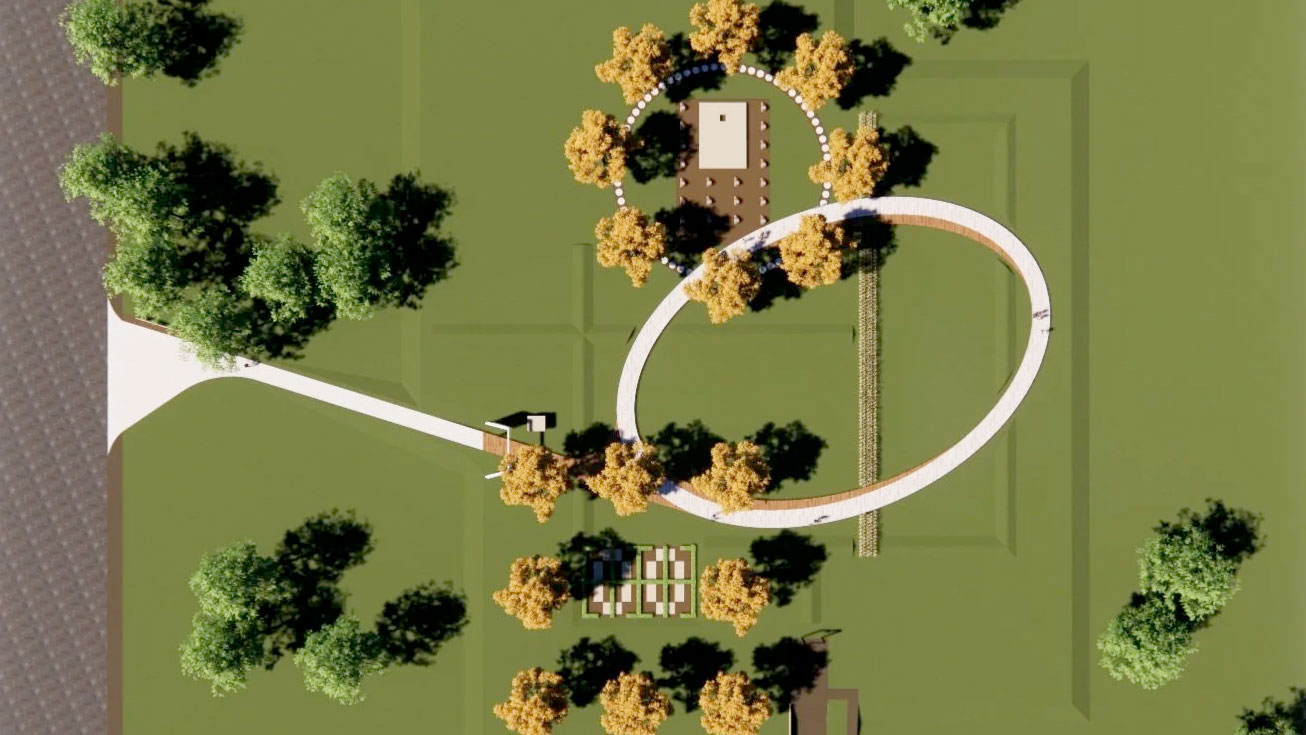
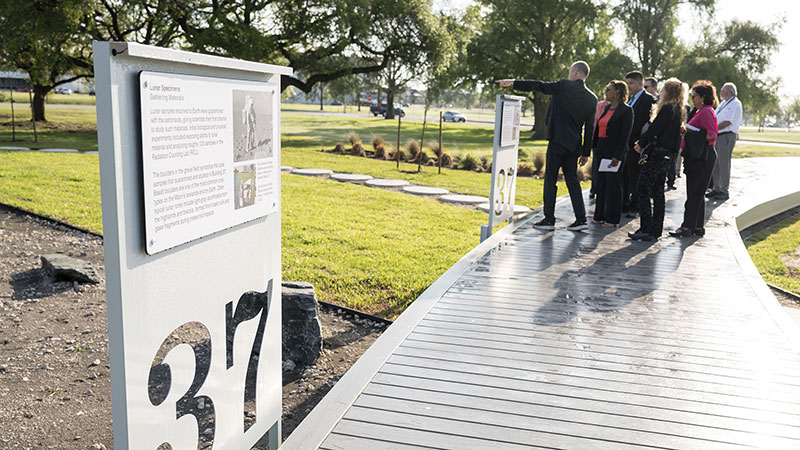
"An elevated walkway preserves the sacred nature of the site and allows visitors to trace the unique functions of B37 that supported the heroic exploration of space," reads another sign at its entrance. "[The park's] design is inspired by some of the earliest prehistoric places and landscapes mankind built that sought to explore the relationship between humanity. Earth and the stars."
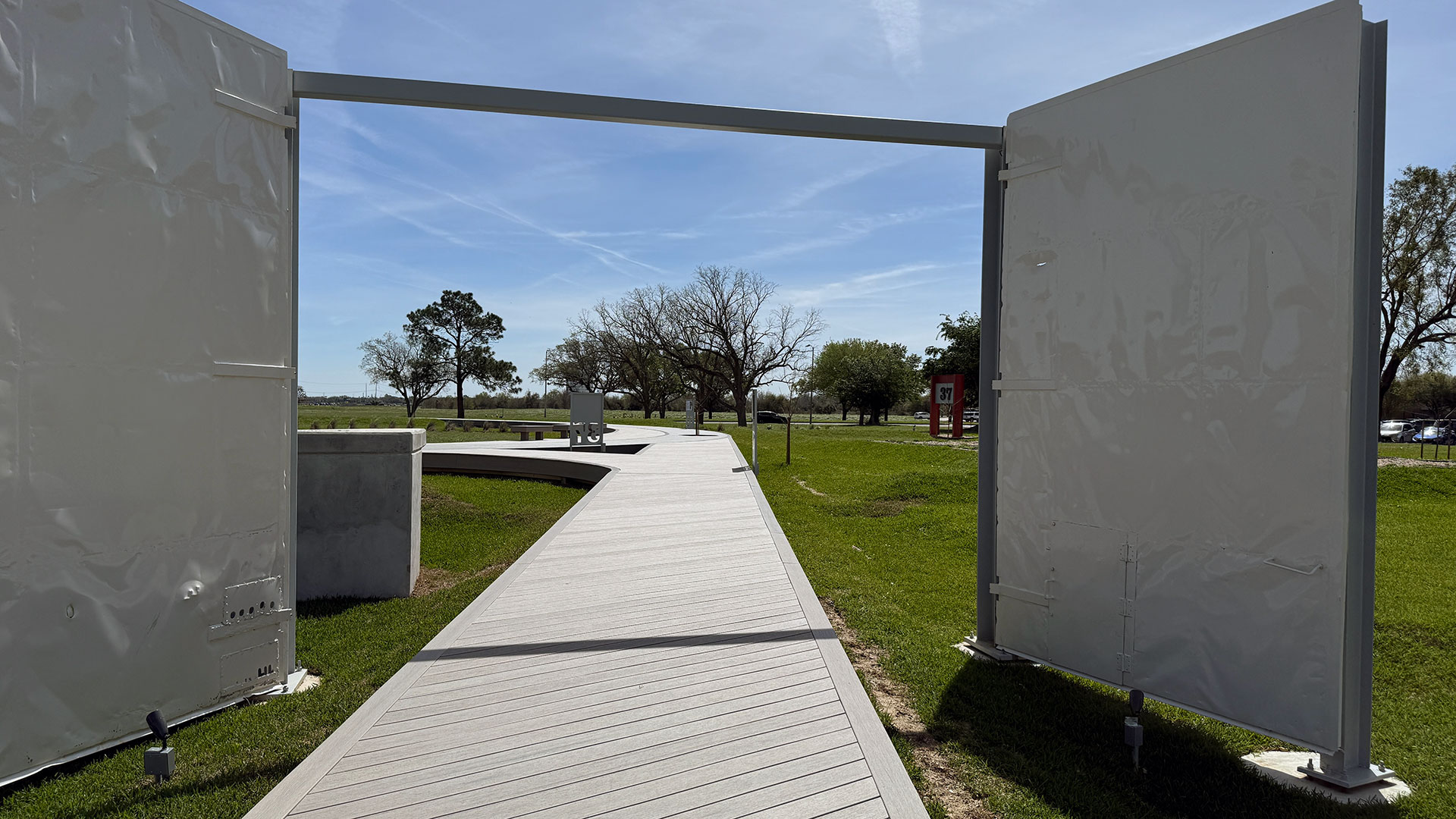
Saved from the original B37 and incorporated into the landscape of the Lunar Receiving Park are the large metal doors that led into the high bay, standing where they were when the facility still existed, and Building 37 sign that identified the building from others. The park also has interpretive displays, including flower beds laid out in a grid to represent the division between the astronauts' living quarters and others symbolizing the isolation rooms' furnishings.
Located on federal property, access to the park is limited to those badged to be sight. At present, there is no public access to the park, but plans by Johnson Space Center employees to use the park, including during the upcoming Artemis II crewed mission to the moon, are underway. |
|
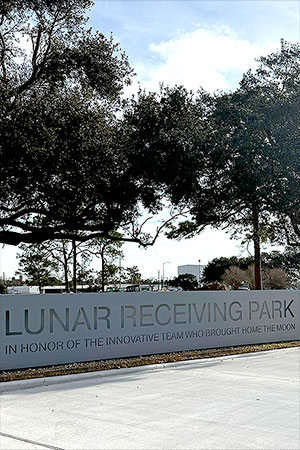
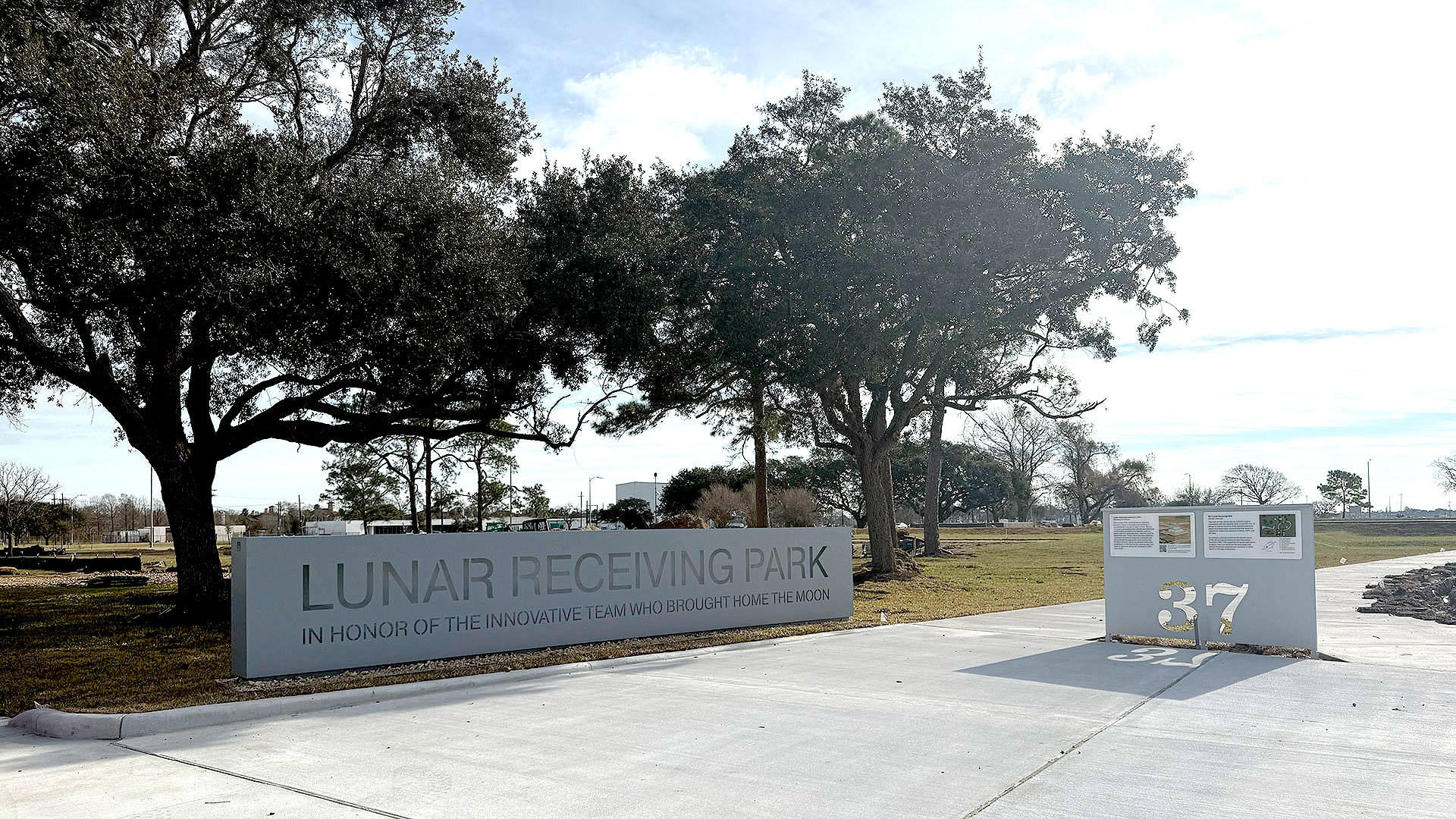
Lunar Receiving Park at the site of the Lunar Receiving Laboratory is now available to employees at NASA's Johnson Space Center in Houston. (collectSPACE)
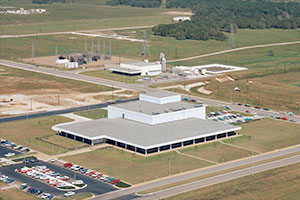
Building 37, the Lunar Receiving Laboratory (LRL), as seen in the late 1960s at NASA's Manned Spacecraft Center (today, Johnson Space Center) in Houston. (NASA)
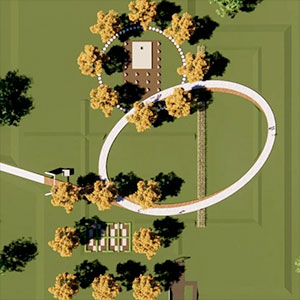
The layout of the new Lunar Receiving Park sits on the footprint of the Lunar Receiving Laboratory and displays artifacts saved from Building 37 before its demolition in 2019. (NASA) |
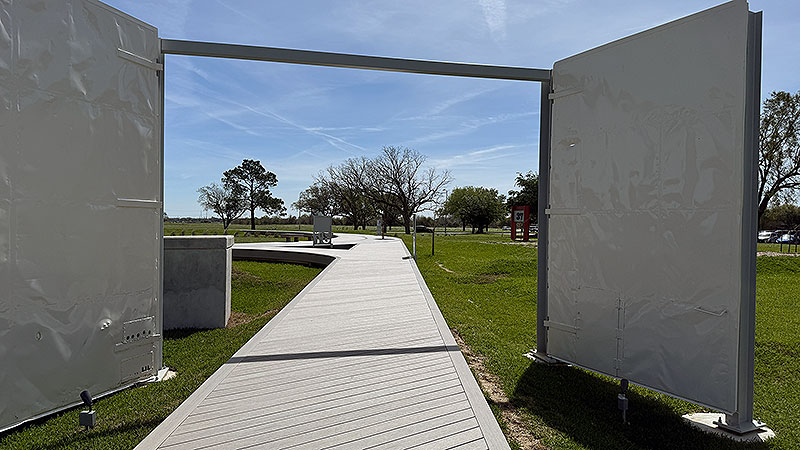
Visitors strolling through the Lunar Receiving Park pass through the original metal doors that led into the high bay of the Lunar Receiving Laboratory, where the Apollo command modules were once held in isolation, unpacked and inspected. (collectSPACE) |
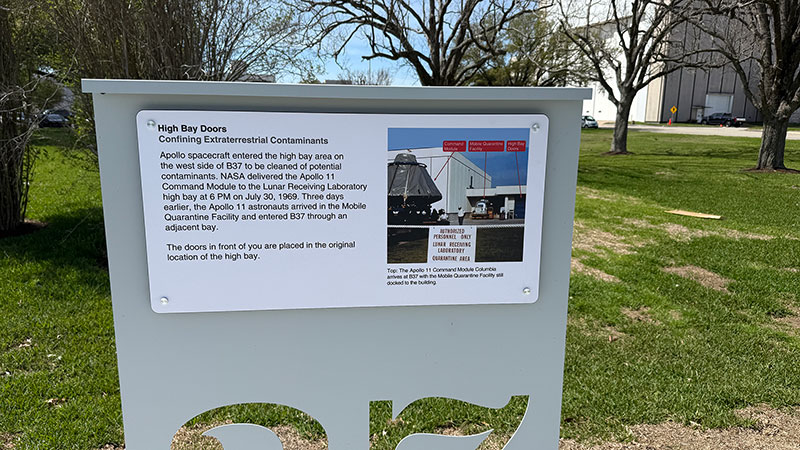
An example of the signs found along the Lunar Receiving Park's elevated walkway, describing features of the Lunar Receiving Lab. (collectSPACE) |

|

© collectSPACE. All rights reserved.
|
|
|
|