NASA Selects Lunar Outpost to Deliver Next-Gen Crewed Lunar Terrain Vehicle for Artemis Astronauts and Moon BaseLunar Outpost drives NASA's Artemis program to establish a permanent human presence on the Moon with the Pegasus LTV
Lunar Outpost, the leader in space mobility and infrastructure, today announced that NASA has selected the company as one of two providers for a High Achievability Mission task order under its Lunar Terrain Vehicle Services (LTVS) contract. The award confirms Lunar Outpost's Pegasus vehicle as one of the next-generation mobility platforms to advance sustained lunar operations.
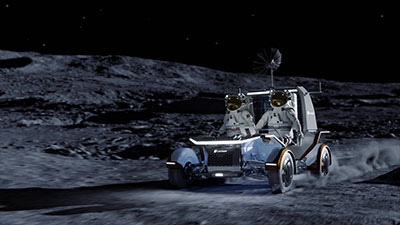
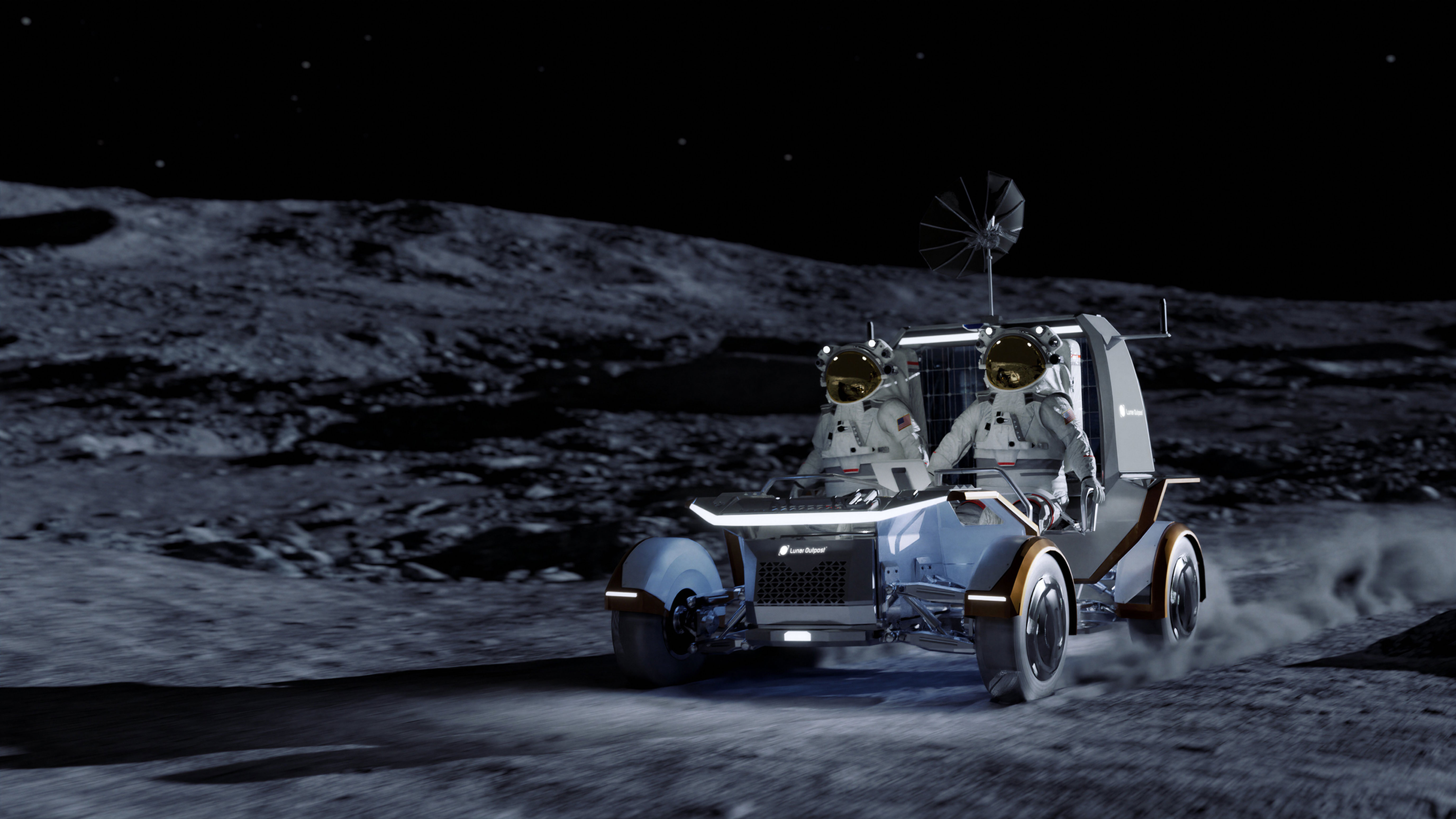
The Lunar Outpost Pegasus LTV provides critical surface mobility for Astronauts operating at the Moon's South Pole, expanding how far and long crews can traverse and operate on the lunar surface. Pegasus is designed to support a range of mission profiles, including site exploration, foundational science operations, resource prospecting, and surface site preparation as NASA lays the groundwork for a permanent human presence on the Moon by 2030.
"We've spent the better part of the past decade engineering advanced mobility solutions designed for the realities of operating and building on the lunar surface," said Justin Cyrus, CEO and Founder of Lunar Outpost. "Pegasus gives Astronauts the range, reliability, and flexibility needed to thrive in new terrain as we identify and prepare the sites that will become the first permanent lunar outpost."
Pegasus is built to withstand the harshest environments the Moon has to offer, featuring advanced thermal management systems that equip the vehicle to operate for prolonged periods through extreme temperature swings. Pegasus can operate autonomously, via teleoperation, or with human crews onboard, providing flexibility across a wide range of missions. The vehicle also supports livestreams from the lunar surface, enabling scientists, mission teams, and the public to engage with missions in real time.
Pegasus features a streamlined, low-profile form factor inspired by the original Apollo Lunar Roving Vehicle (LRV), updated for modern mission demands. Engineered to carry two Astronauts side by side, it provides an optimized field of view for complex navigation. It prioritizes agility and ease of ingress and egress, ensuring that Astronauts can move efficiently between the vehicle and the lunar surface to conduct mission-critical operations. Pegasus leverages technological advancements and operational lessons learned from Lunar Outpost's MAPP (Mobile Autonomous Prospecting Platform) and Owl missions, while helping prove critical systems for the company's Eagle LTV.
The development of Pegasus was led by Lunar Outpost, in partnership with General Motors, The Goodyear Tire & Rubber Company, and Leidos. The team combines proven heritage with decades of experience in advanced engineering, automobile innovation, and human spaceflight—to create a true off-planet vehicle designed for the Moon's extreme terrain and unforgiving conditions.
"GM's electrification technology was built to perform in some of Earth's toughest driving conditions and adapting it for the Moon with space-rated batteries is an extraordinary technical challenge," said Steve duMont, president, GM Defense. "Helping Astronauts travel safely across the lunar surface again will be a proud moment for our team and our country."
NASA's selection reinforces Lunar Outpost's role in scaling the rugged, industrial robotic workforce required to establish humanity's next frontier. The award adds to Lunar Outpost's expanding mission manifest, which includes nine contracted lunar and cislunar missions focused on mobility, exploration, and infrastructure.






 posted 05-26-2026 03:00 PM



 advertisement