|
|

|
|
Author
|
Topic: NASA CHAPEA Mars analog: Mission 2
|
Robert Pearlman
Editor Posts: 57249
From: Houston, TX
Registered: Nov 1999
|
 posted 09-06-2025 09:31 PM
   
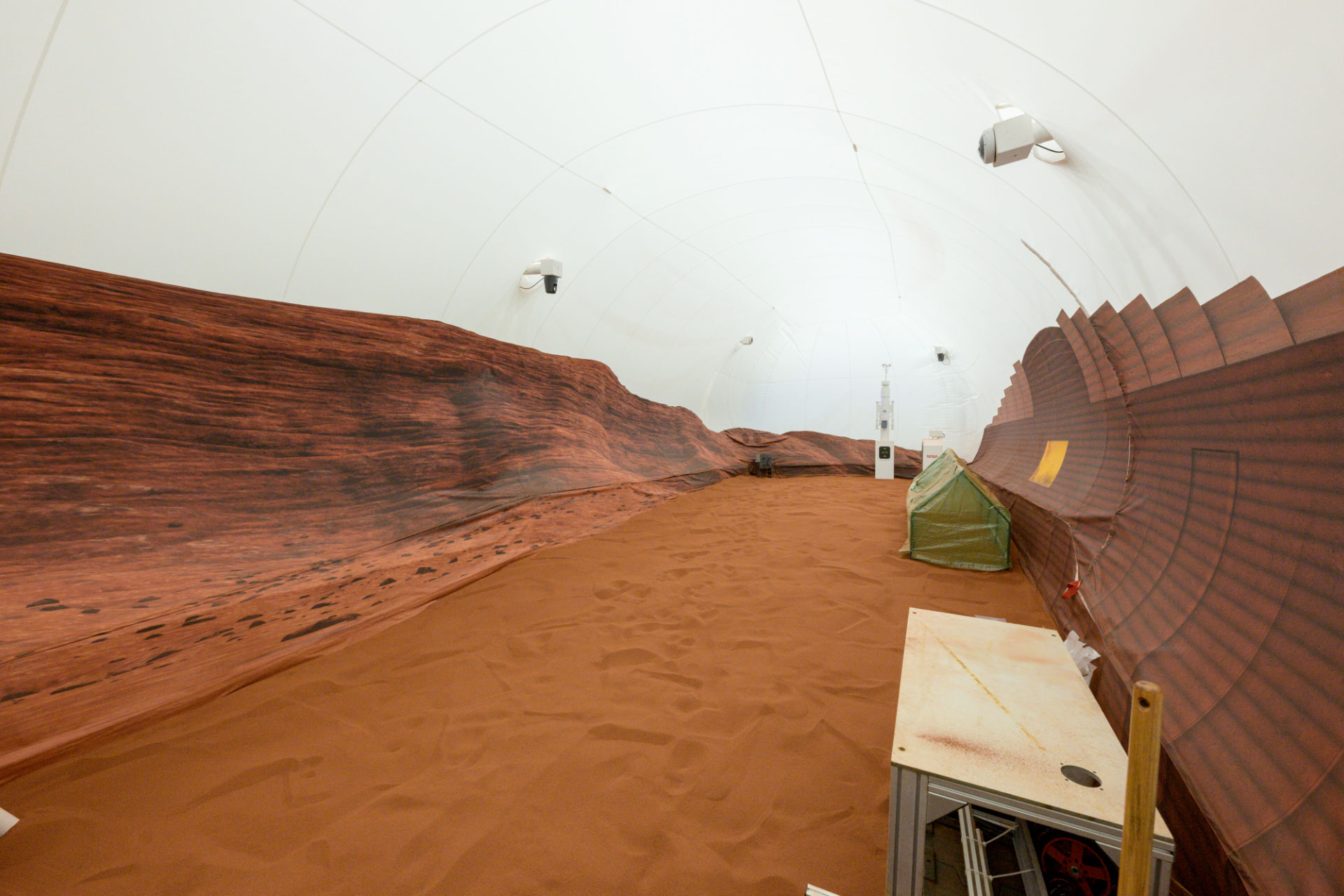
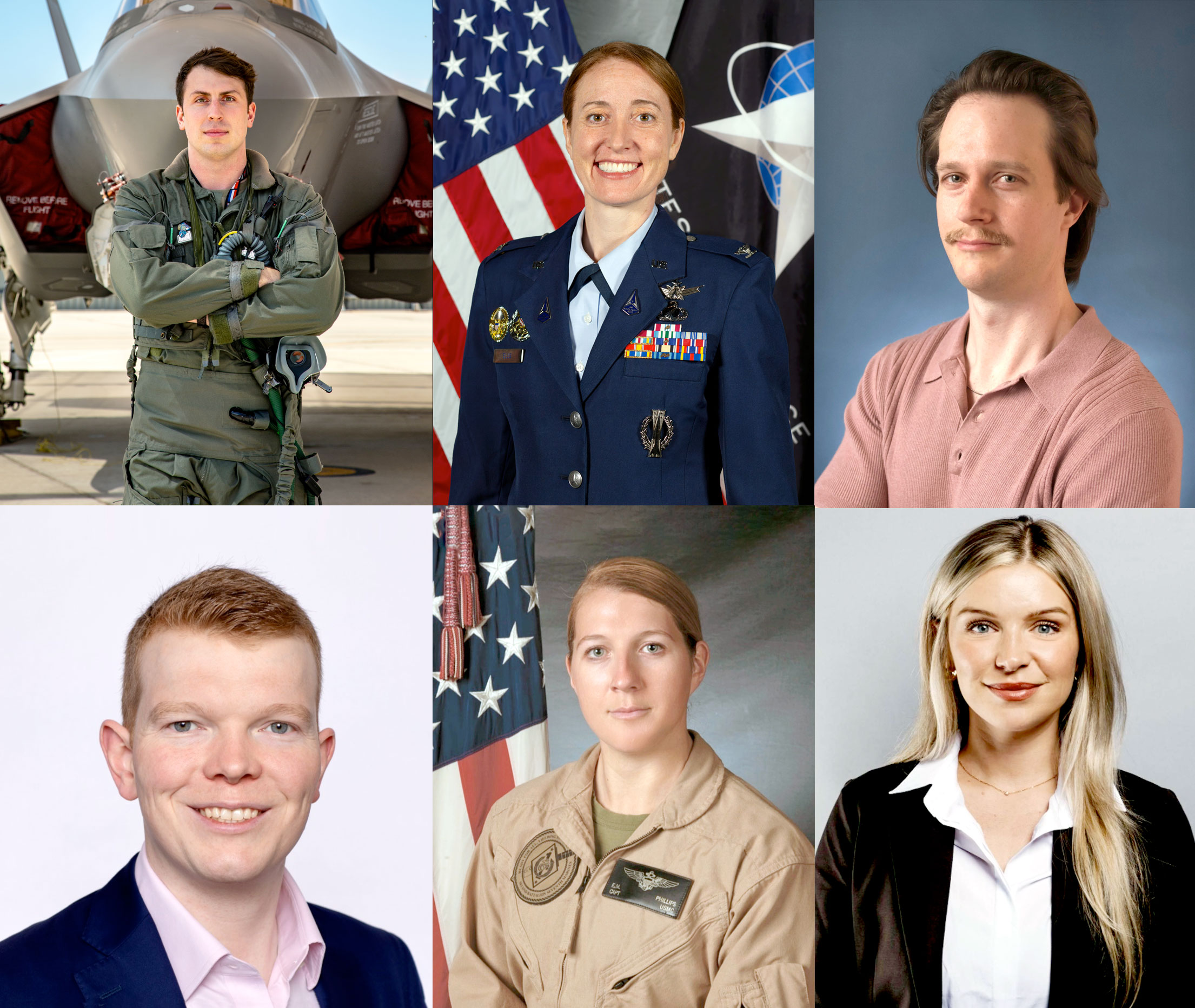
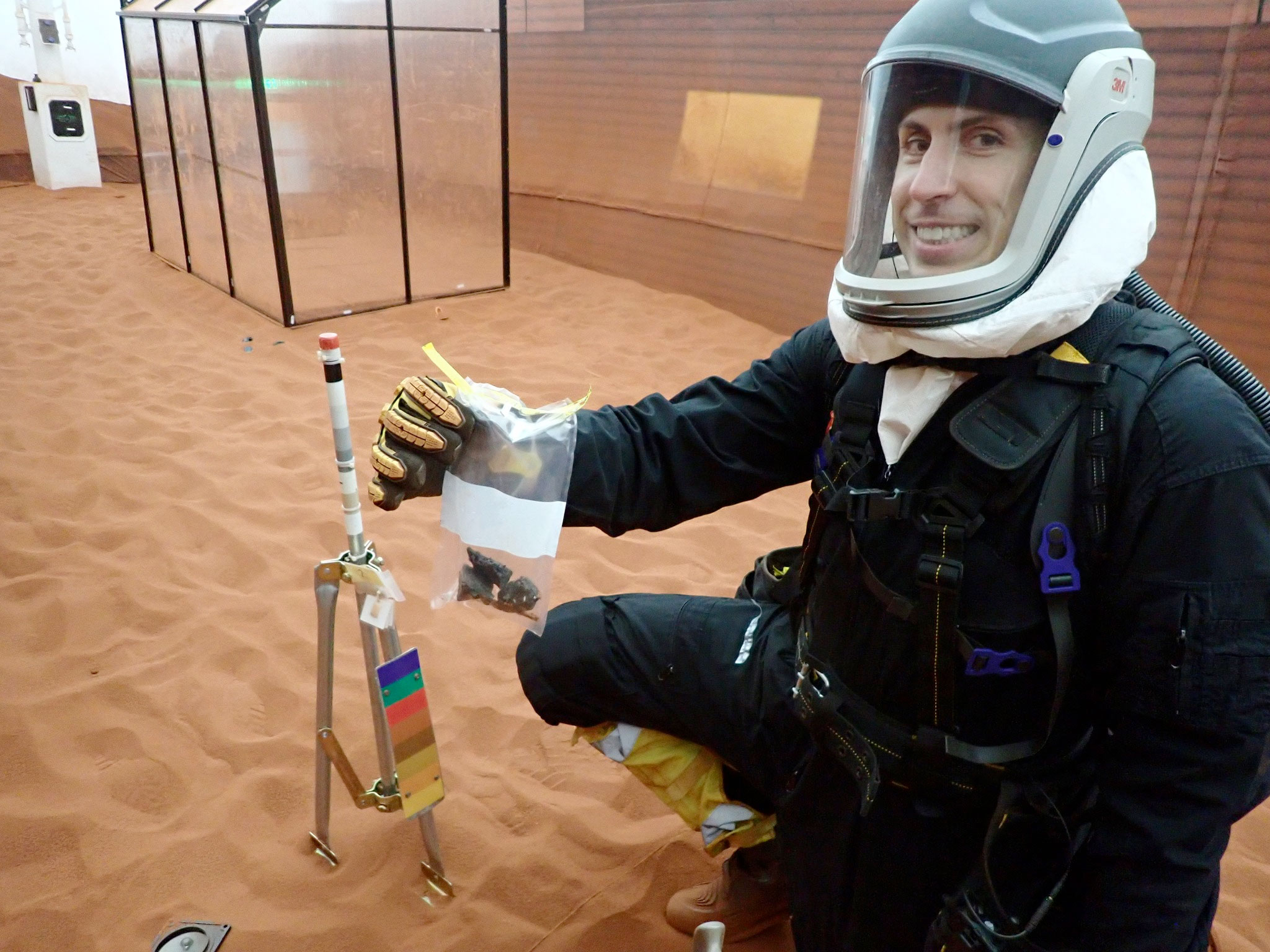
NASA release NASA Announces CHAPEA Crew for Year-Long Mars Mission SimulationFour research volunteers will soon participate in NASA's year-long simulation of a Mars mission inside a habitat at the agency's Johnson Space Center in Houston. This mission will provide NASA with foundational data to inform human exploration of the Moon, Mars, and beyond.  Above: A view inside the sandbox portion of the Crew Health and Performance Analog, where research volunteers participate in simulated walks on the surface of Mars. (NASA) Ross Elder, Ellen Ellis, Matthew Montgomery, and James Spicer enter into the 1,700-square-foot Mars Dune Alpha habitat on Sunday, Oct. 19, to begin their mission. The team will live and work like astronauts for 378 days, concluding their mission on Oct. 31, 2026. Emily Phillips and Laura Marie serve as the mission's alternate crew members. Through a series of Earth-based missions called CHAPEA (Crew Health and Performance Exploration Analog), carried out in the 3D-printed habitat, NASA aims to evaluate certain human health and performance factors ahead of future Mars missions. The crew will undergo realistic resource limitations, equipment failures, communication delays, isolation and confinement, and other stressors, along with simulated high-tempo extravehicular activities. These scenarios allow NASA to make informed trades between risks and interventions for long-duration exploration missions. "As NASA gears up for crewed Artemis missions, CHAPEA and other ground analogs are helping to determine which capabilities could best support future crews in overcoming the human health and performance challenges of living and operating beyond Earth's resources – all before we send humans to Mars," said Sara Whiting, project scientist with NASA's Human Research Program at NASA Johnson. Crew members will carry out scientific research and operational tasks, including simulated Mars walks, growing a vegetable garden, robotic operations, and more. Technologies specifically designed for Mars and deep space exploration will also be tested, including a potable water dispenser and diagnostic medical equipment. "The simulation will allow us to collect cognitive and physical performance data to give us more insight into the potential impacts of the resource restrictions and long-duration missions to Mars on crew health and performance," said Grace Douglas, CHAPEA principal investigator. "Ultimately, this information will help NASA make informed decisions to design and plan for a successful human mission to Mars." This mission, facilitated by NASA's Human Research Program, is the second one-year Mars surface simulation conducted through CHAPEA. The first mission concluded on July 6, 2024. The Human Research Program pursues methods and technologies to support safe, productive human space travel. Through applied research conducted in laboratories, simulations, and aboard the International Space Station, the program investigates the effects spaceflight has on human bodies and behaviors to keep astronauts healthy and mission-ready. 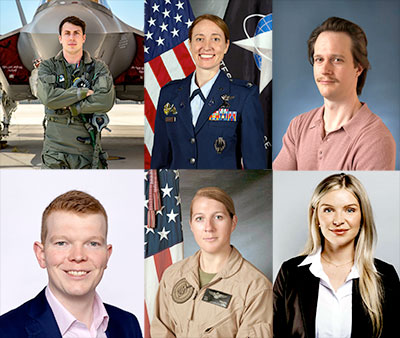 Above: The primary and alternate crew members for CHAPEA Mission 2. Prime crew: Ross Elder, Ellen Ellis, Matthew Montgomery and James Spicer. Alternates: Emily Phillips and Laura Marie. (NASA) Primary Crew Ross Elder, Commander Ross Elder, from Williamstown, West Virginia, is a major and experimental test pilot in the United States Air Force. At the time of his selection, he served as the director of operations of the 461st Flight Test Squadron. He has piloted over 35 military aircraft and accumulated more than 1,800 flying hours, including 200 combat hours, primarily in the F-35, F-15E/EX, F-16, and A-10C. His flight test experience focuses on envelope expansion, crewed-uncrewed teaming, artificial intelligence, autonomy, mission systems, and weapons modernization. Elder earned a Bachelor of Science in astronautical engineering from the U.S. Air Force Academy in Colorado Springs, Colorado, and commissioned as an Air Force officer upon graduation. He earned a Master of Science in mechanical engineering from the University of Colorado in Colorado Springs and a master's degree in flight test engineering from the U.S. Air Force Test Pilot School at Edwards Air Force Base in California. Ellen Ellis, Medical Officer Ellen Ellis, from North Kingstown, Rhode Island, is a colonel and an acquisitions officer in the United States Space Force. She currently serves as a senior materiel leader in the National Reconnaissance Office (NRO) Communications Systems Directorate. She is responsible for fielding commercial cloud and traditional information technology hosting solutions and building modernized data centers for the NRO. She previously served as an Intercontinental Ballistic Missile operations officer and GPS satellite engineer, and she also developed geospatial intelligence payloads and ground processing systems. She earned a Bachelor of Science in aerospace engineering at Syracuse University in New York and holds four master's degrees, including a Master of Science in systems engineering from the Naval Postgraduate School in California, and a Master of Science in emergency and disaster management from Georgetown University in Washington. Matthew Montgomery, Science Officer Matthew Montgomery, from Los Angeles, is a hardware engineering design consultant who works with technology startup companies to develop, commercialize, and scale their products. His focus areas include LED lighting, robotics, controlled environment agriculture, and embedded control systems. Montgomery earned a Bachelor of Science and a Master of Science in electrical engineering from the University of Central Florida. He is also a founder and co-owner of Floating Lava Studios, a film production company based in Los Angeles. James Spicer, Flight Engineer James Spicer is a technical director in the aerospace and defense industry. His experience includes building radio and optical satellite communications networks; space data relay networks for human spaceflight; position, navigation, and timing research; and hands-on spacecraft design, integration, and tests. Spicer earned a Bachelor of Science and Master of Science in aeronautics and astronautics, and holds a Notation in Science Communication from Stanford University in California. He also holds commercial pilot and glider pilot licenses. Alternate Crew Emily Phillips Emily Phillips, from Waynesburg, Pennsylvania, is a captain and pilot in the United States Marine Corps. She currently serves as a forward air controller and air officer attached to an infantry battalion stationed at the Marine Corps Air Ground Combat Center in Twentynine Palms, California. Phillips earned a Bachelor of Science in computer science from the U.S. Naval Academy in Annapolis and commissioned as a Marine Corps officer upon graduation. She attended flight school, earning her Naval Aviator wings and qualifying as an F/A-18C Hornet pilot. Phillips has completed multiple deployments to Europe and Southeast Asia. Laura Marie Born in the United Kingdom, Laura Marie immigrated to the U.S. in 2016. She is a commercial airline pilot specializing in flight safety, currently operating passenger flights in Washington. Marie began her aviation career in 2019 and has amassed over 2,800 flight hours. She holds a Bachelor of Arts in philosophy and a Master of Science in aeronautics from Liberty University in Lynchburg, Virginia. In addition to her Airline Transport Pilot License, she also possesses flight instructor and advanced ground instructor licenses. Outside the flight deck, Marie dedicates her time to mentoring and supporting aspiring pilots as they navigate their careers. |
Robert Pearlman
Editor Posts: 57249
From: Houston, TX
Registered: Nov 1999
|
posted 11-26-2025 10:42 AM
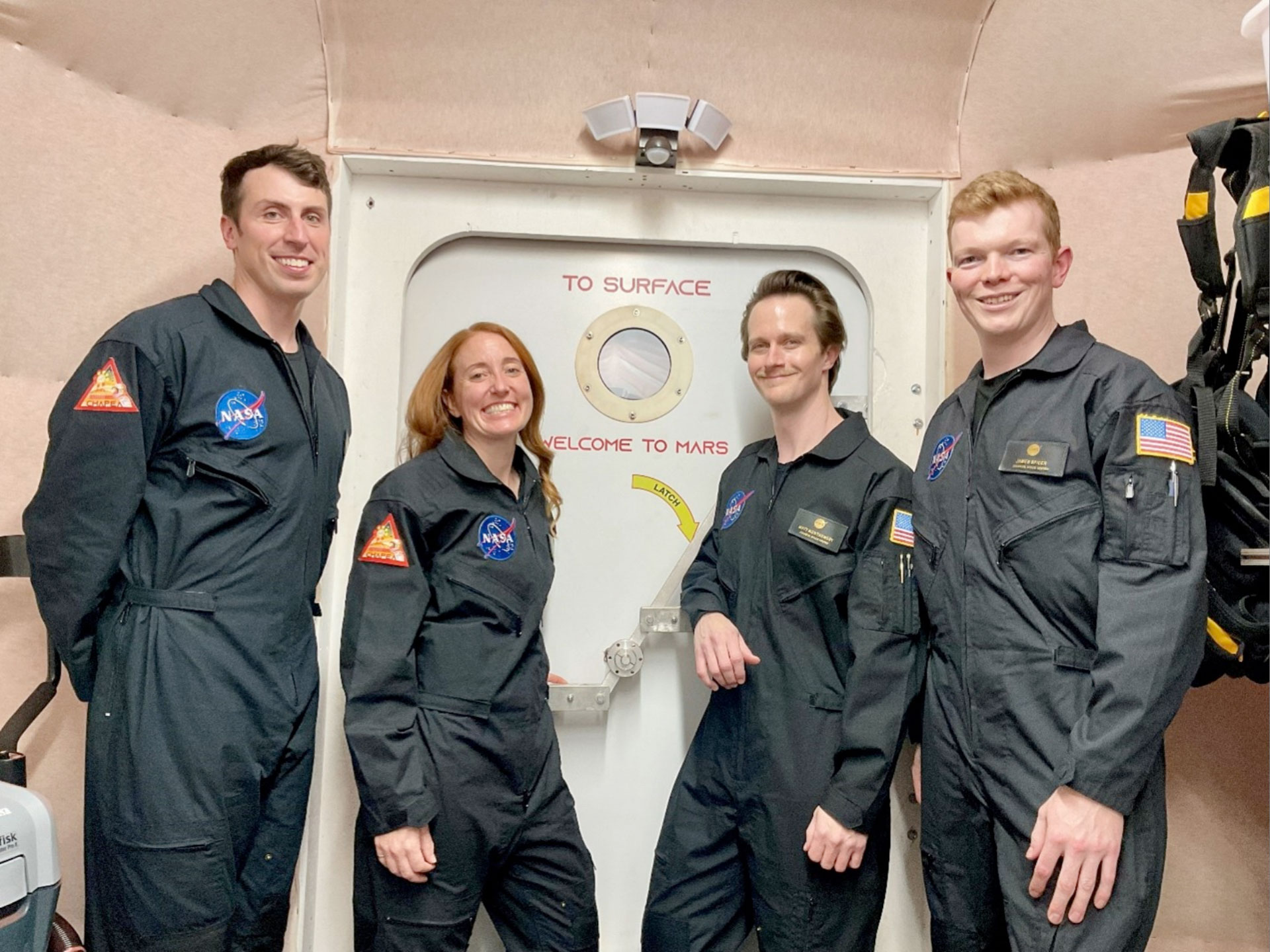
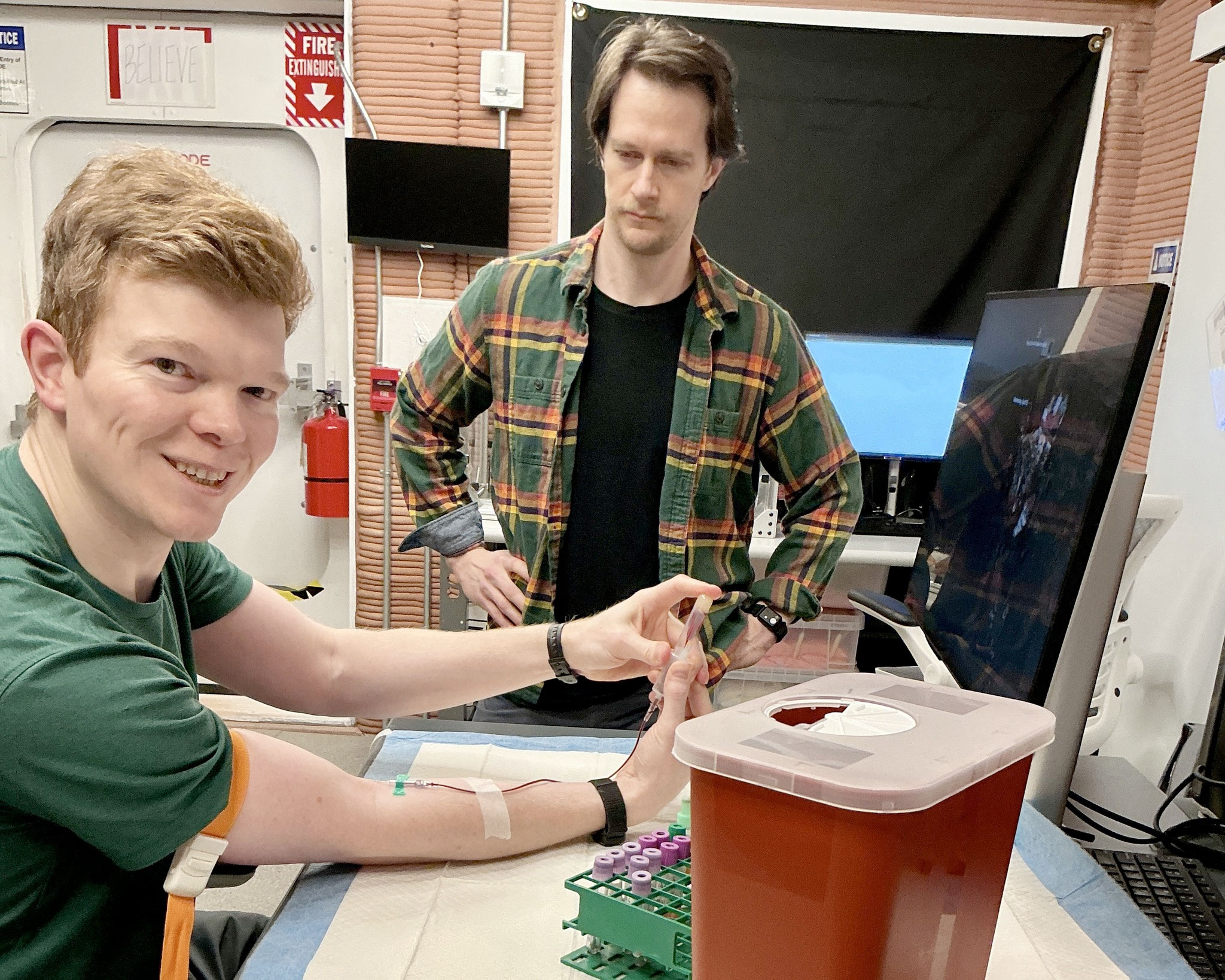
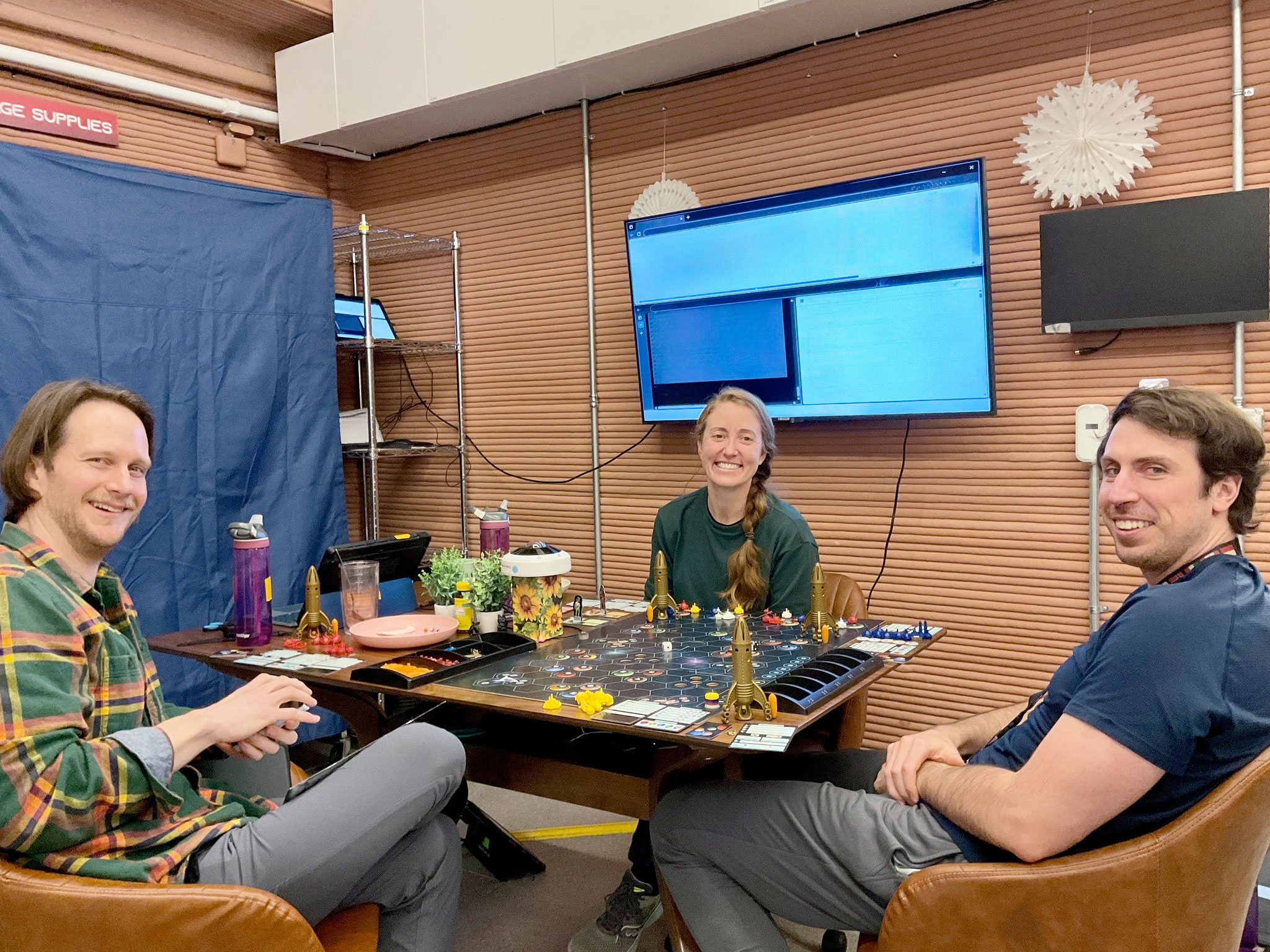
NASA release CHAPEA Crew Begins Stay Inside NASA's Mars Habitat for Second MissionA crew of four research volunteers stepped inside NASA's CHAPEA (Crew Health and Performance Exploration Analog) habitat on Oct. 19, marking the start of the agency's second 378-day simulated Mars mission. 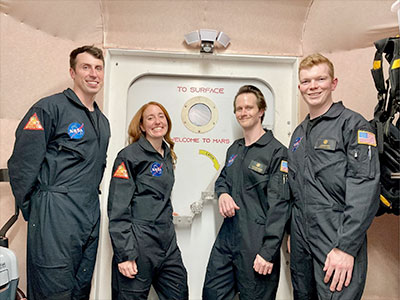 Above: CHAPEA mission 2 crew members (from left) Ross Elder, Ellen Ellis, Matthew Montgomery, and James Spicer pose in front of the door to the simulated Martian landscape for their first photo inside the CHAPEA habitat after their mission began in October 2025. (NASA/CHAPEA Crew) Ross Elder, Ellen Ellis, Matthew Montgomery, and James Spicer are living and working inside the roughly 1,700-square-foot 3D-printed habitat at the agency's Johnson Space Center in Houston until Oct. 31, 2026. "The information and lessons learned through CHAPEA will inform real-life mission planning, vehicle and surface habitat designs, and other resources NASA needs to support crew health and performance as we venture beyond low-Earth orbit," said Sara Whiting, Human Research Program project scientist. "Through these lessons, NASA's Human Research Program is reducing human health and performance risks of spaceflight to enable safe and successful crewed missions to the Moon, Mars, and beyond." The crew will face the challenges of a real Mars mission, and only leave to perform simulated "Marswalk" activities directly outside the habitat, wearing spacesuits, to traverse a simulated Mars environment filled with red sand. During these Marswalks, they will remain isolated within the building that houses CHAPEA at NASA Johnson. "These crewmembers will help provide foundational data for mission planning and vehicle design and inform trades between resources, methods, and technologies that best support health and performance within the constraints of living on Mars," said Grace Douglas, CHAPEA principal investigator. "The information gained from these simulated missions is critical to NASA's goal of sending astronauts to explore Mars." During the year ahead, the crew will complete a variety of activities designed to replicate life and work on a long-duration mission on Mars, including high-tempo simulated Marswalks, robotic operations, habitat maintenance, physical exercise, and crop cultivation. The mission also aims to investigate how the crew adapts and responds to various environmental stressors that may arise during a real Martian mission, including limited access to resources, prolonged isolation, 22-minute communication delays, and equipment failures. Researchers will study how the team manages these conditions, which will inform future protocols and plans ahead of future crewed missions to Mars. The first CHAPEA mission, which took place in the same habitat, concluded on July 6, 2024. |
Robert Pearlman
Editor Posts: 57249
From: Houston, TX
Registered: Nov 1999
|
posted 05-07-2026 09:54 AM
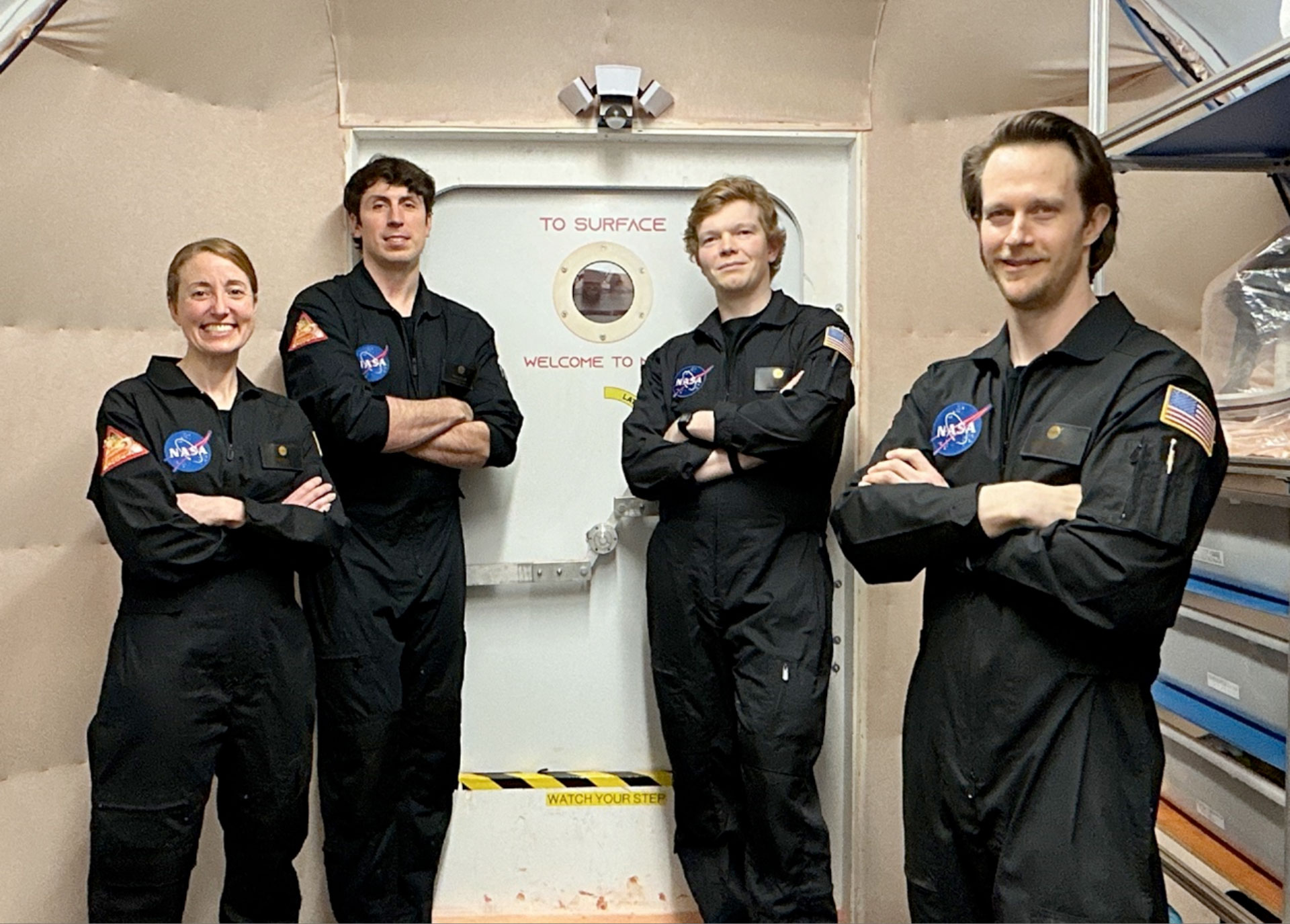
NASA release NASA's Simulated Mars Mission Marks 200 Days Inside HabitatThe four crew members of NASA's Mars simulation recently marked 200 days into their 378-day Red Planet mission on May 7. Currently, the crew is in a simulated two‑week loss‑of‑signal period that mimics a Mars-Earth communications blackout when Mars moves behind the Sun. During this blackout, the crew works without contact with mission control, using preplanned procedures and available resources to complete tasks and handle any issues that may arise. 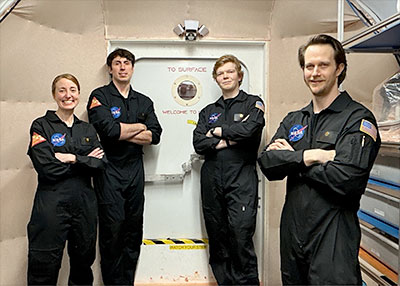 Above: Members of NASA's CHAPEA (Crew Health and Performance Exploration Analog) mission 2 pose for a group photo. From left to right: Ellen Ellis, Ross Elder, James Spicer, and Matthew Montgomery. (NASA) The CHAPEA (Crew Health and Performance Exploration Analog) mission 2 crew, commanded by Ross Elder and with medical officer Ellen Ellis, science officer Matthew Montgomery, and flight engineer James Spicer, entered the 3D-printed habitat last year at NASA's Johnson Space Center in Houston on Oct. 19. They will exit in about six months on Oct. 31. "I'm proud of the crew's accomplishments over the past 200 days — facing each challenge with fortitude and finding new ways to improve our performance and efficiency daily," said Ellis. Now over halfway through the mission, the crew continues to provide NASA with valuable insights and data on how humans adapt to isolation, confinement, and resource limitations — all critical factors for future exploration of the Moon and Mars. "We approach every day committed to doing our best work, whether we're doing a simulated spacewalk, geology, exercise, a medical activity, or anything in between," said Spicer. "What keeps us motivated is knowing that we're contributing directly to NASA's deep space exploration objectives." The crew has completed robotic operations, performed habitat maintenance, and grown crops inside the 1,700-square-foot habitat. Crew members also experience mission constraints such as delayed communications, limited supplies, and simulated equipment malfunctions. These realistic stressors are designed to help researchers better understand how crews perform under pressure during deep space missions. "Having limited resources, be it tools, equipment, software, supplies, or no internet, really bounds what you have to solve problems," said Montgomery. "Finding creative and clever solutions has been both challenging and rewarding." A key objective of NASA's CHAPEA missions is to gather data on cognitive and physical performance during extended isolation. Researchers monitor how the crew adapts to the environment, manages stress, and maintains productivity. The data will help NASA refine mission planning, habitat design, and support systems for future long-duration missions. "Extended-duration missions are relatively rare in NASA's history to date," said Sara Whiting, project scientist and mission manager at Johnson for NASA's Human Research Program. "The operational lessons learned, along with the detailed health and performance data this crew is providing, come at the perfect time to inform the development of a sustainable lunar presence and longer-term objectives for crewed Mars missions." As NASA advances toward its long-term goal of human exploration of Mars, simulated missions like CHAPEA are essential to understanding how to keep astronauts healthy, safe, and mission-ready — both during the journey and on the surface of another world.  
|
Robert Pearlman
Editor Posts: 57249
From: Houston, TX
Registered: Nov 1999
|
posted 10-19-2026 02:26 PM
NASA release NASA's Simulated Mars Crew Marks One Year Inside HabitatThe four crew members in NASA's simulated Mars mission have spent the past year living and working in isolation in a confined habitat at NASA's Johnson Space Center in Houston. For the past 365 days, the Crew Health and Performance Exploration Analog (CHAPEA) Mission 2 crew members have operated as though they were on the Red Planet, growing crops, managing limited resources, navigating communication delays, and conducting suited extravehicular activities on a simulated Martian surface. Crew members include Ross Elder, mission commander; Ellen Ellis, medical officer; Matthew Montgomery, science officer; and James Spicer, flight engineer. They entered their 1,700 square foot 3D-printed habitat Oct. 19, 2025. Leading up to the one-year mark of their 378‑day mission, science teams at NASA prepared to process health and performance data collected on the crew. This critical data can help NASA balance priorities and develop methods that counter spaceflight risks during future long-duration missions on Mars. "We are extremely proud of the crew for their commitment and achievements over the last year on such a fast-paced, highly demanding mission," said Grace Douglas, CHAPEA principal investigator. "The entire CHAPEA team is excited to congratulate the crew in person." The crew will exit their habitat on Saturday, Oct. 31, to conclude their mission. They will have a chance to reconnect with their families, who they've only spoken with via email over the course of their mission with a Mars-like communication delay. The crew will then begin two weeks of post-mission evaluations and debriefs with NASA scientists. These debriefs and evaluations will help scientists learn what it takes for crews to adapt to the routines and demands of daily life on long-duration missions, giving NASA insight into what future explorers may need to stay healthy, productive, and connected during missions far from Earth. For example, data could shed light on how limited food and exercise systems will influence NASA's ability to achieve mission objectives, including spacewalks on the surface of Mars. Some data also could help NASA foster autonomy and build decision-making support systems that best aid crew with communication delays lasting up to 45 minutes each way. "This mission has been incredibly valuable in starting to teach us how to understand requirements for year-long missions, including medical and psychological care, via communication delays," said Michael Stenger, chief scientist for NASA's Human Research Program. "When combining this Mars-realistic mission analog with a suite of physiological, psychological, and performance measures in a rigorously controlled environment, we'll be able to translate the knowledge from these experiences to Moon Base and beyond." | |
Contact Us | The Source for Space History & Artifacts
Copyright collectSPACE. All rights reserved.

Ultimate Bulletin Board 5.47a
|
|
|
 advertisement advertisement
|