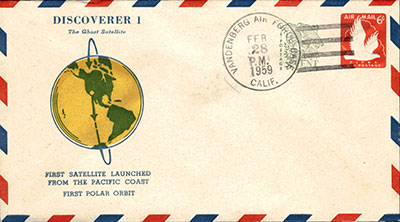
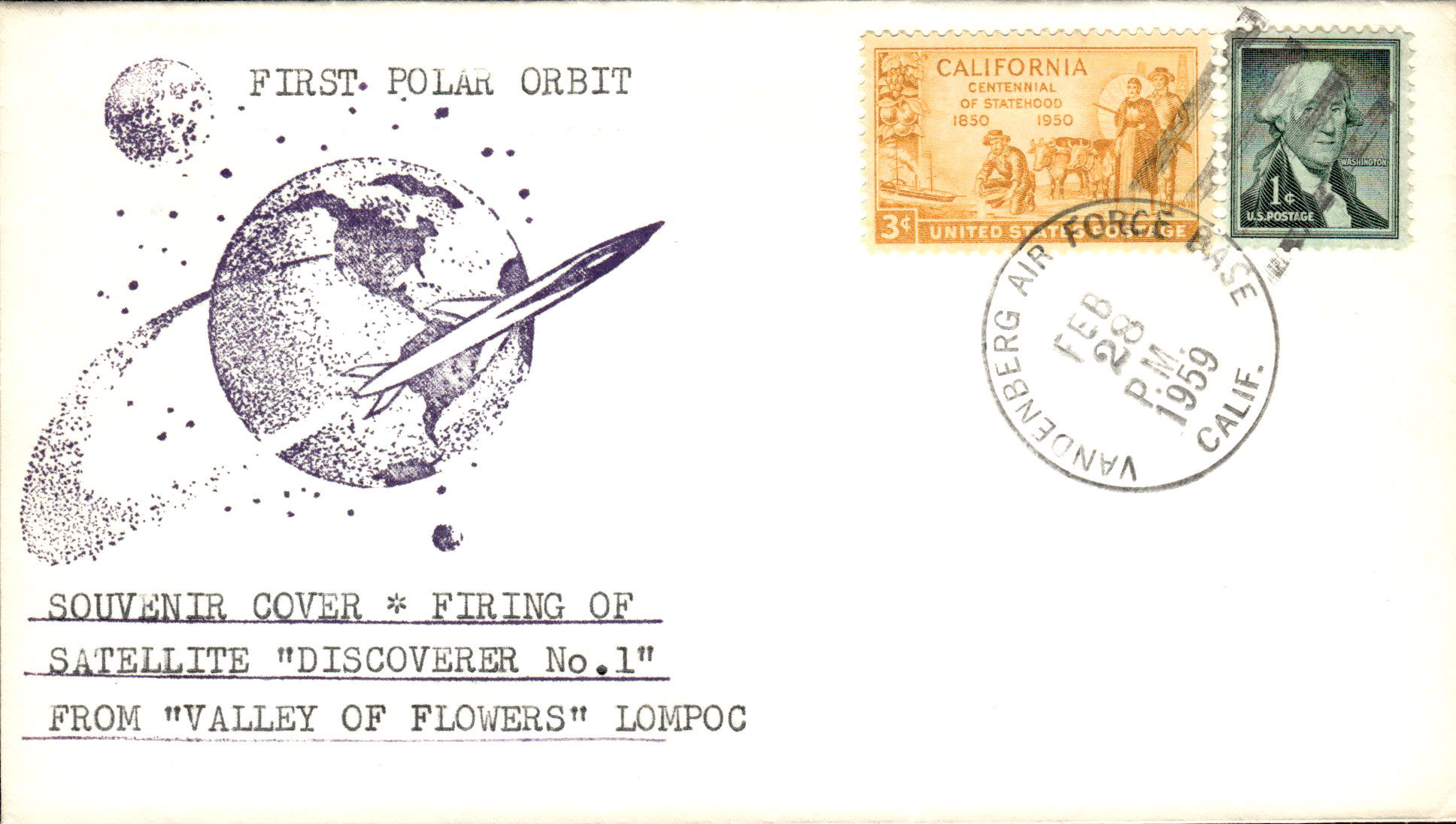
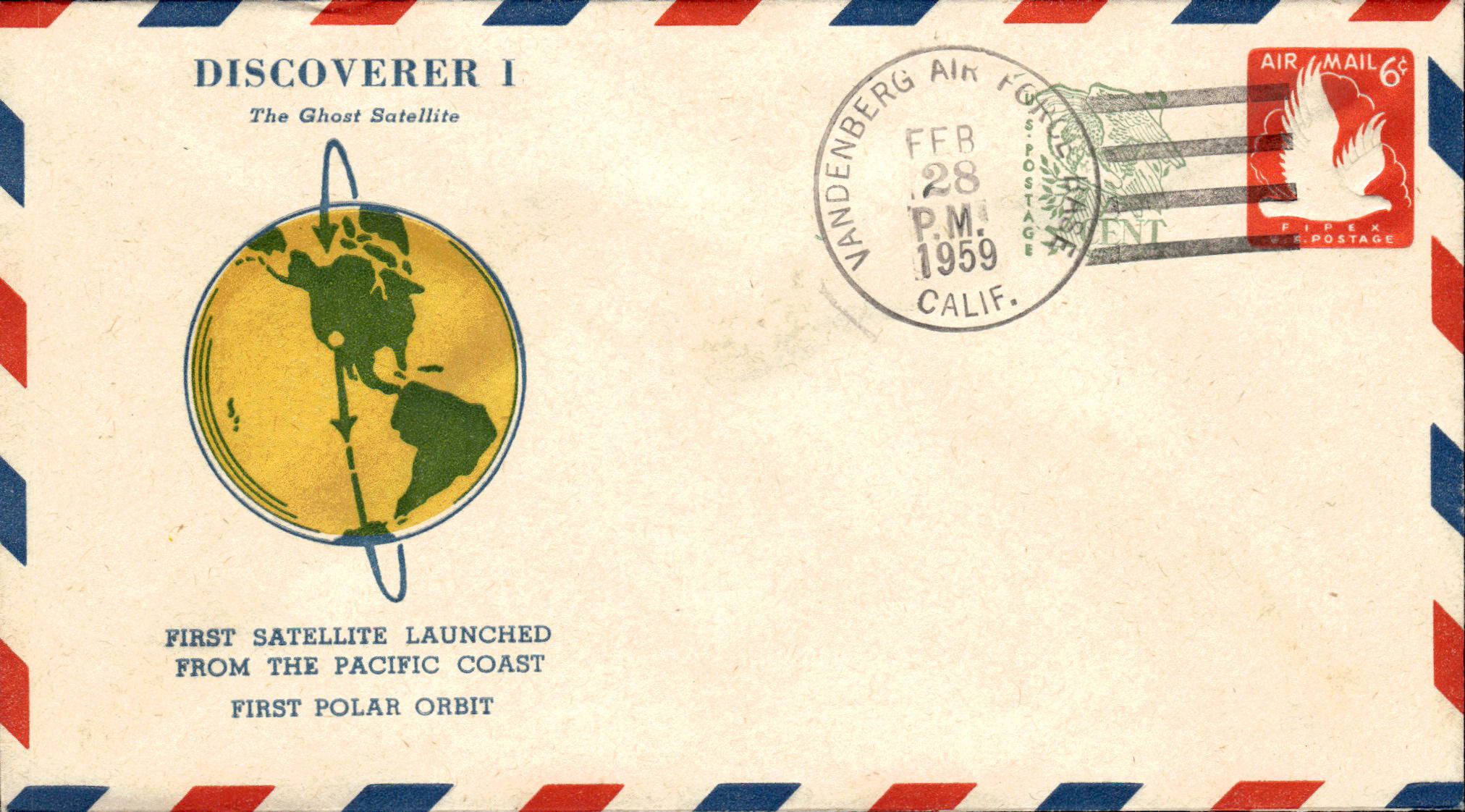
Space Cover 855: Discoverer 1, Ted Holden servicerThe space cover this week is a souvenir of the first launch of the CORONA program, the flight of Discoverer 1. The cover is hand cancelled at Vandenberg Air Force Base, California on February 28th, 1959. Launched on a Thor-Agena-A rocket, the space vehicle test payload did not contain a camera or film recovery capsule. Notably this was the first ever launch attempt at a polar orbit for a satellite. Many experts now believe that it did not obtain a full orbit and landed somewhere near the South Pole.
Many will recognize the stylized rocket orbiting the earth, which is cachet by Ted R. Holden who lived in Lompoc, California, the town next the base. He was a primary servicer for flights out of Vandenberg. Discoverer 1 covers can also be found with Lompoc cancels.
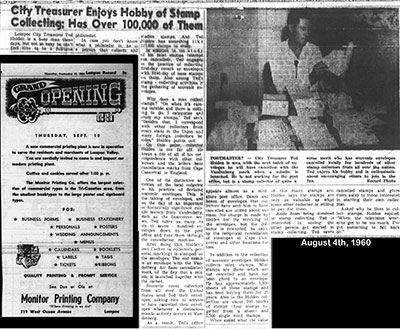
Ted Roosevelt Holden (1908-1992) was a farmer, horticulturist specializing in plant genetics, seed company owner, and city treasurer for Lompoc. Related to cachet making and servicing, a 1961 city directory lists his primary business as Monitor Printing Company at 219 W. Ocean Ave in Lompoc which he owned in partnership with George Donald Hedrick.
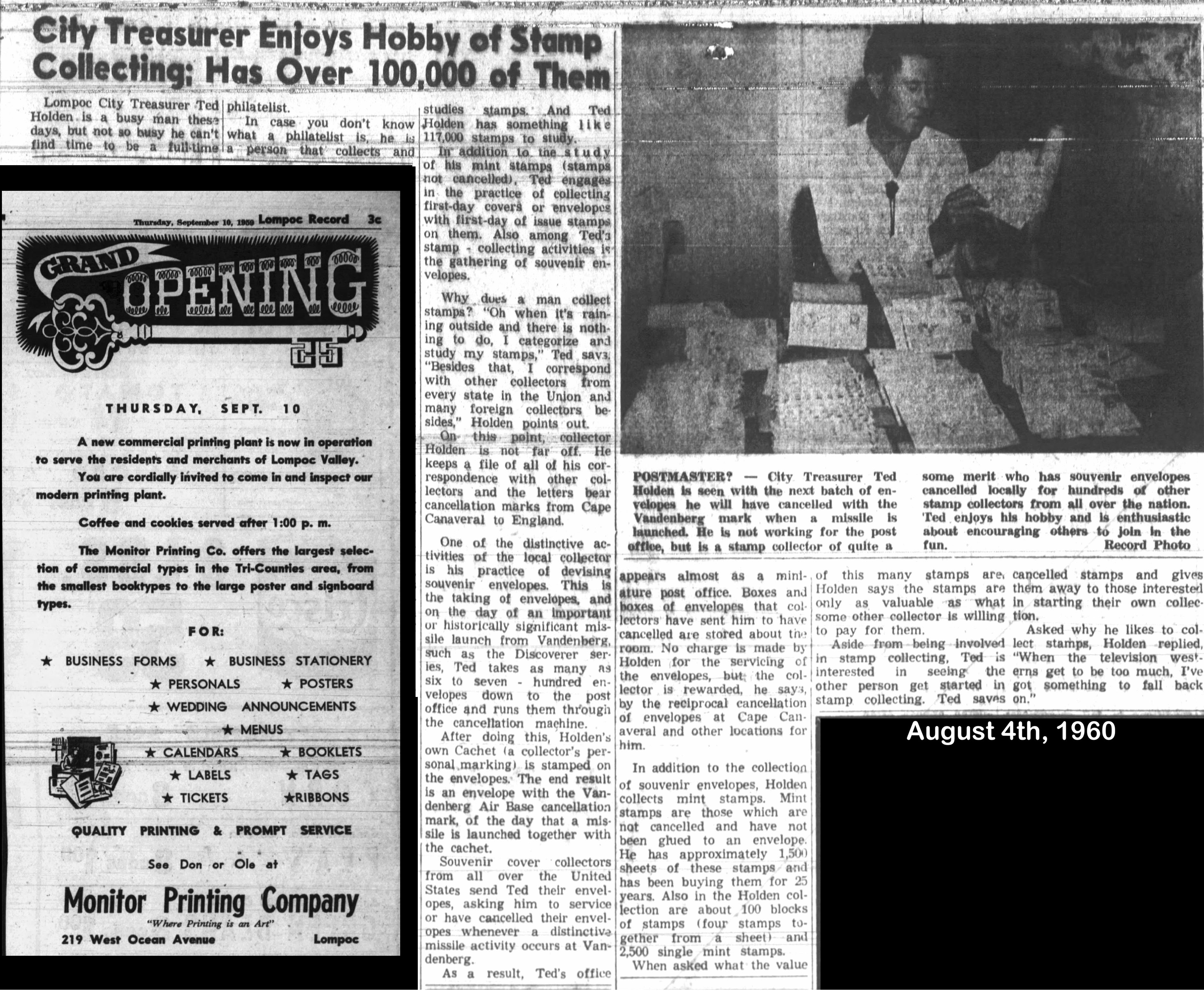
I found a newspaper advertising the print shop's grand opening on September 10th, 1959. This would explain why covers after this date can be found with both rubber stamp cachets and higher-quality printed ones. Another article from August 6th, 1960 shows Ted with a huge pile of covers ready for servicing.
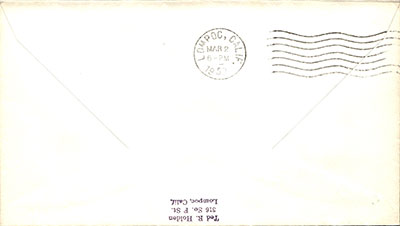
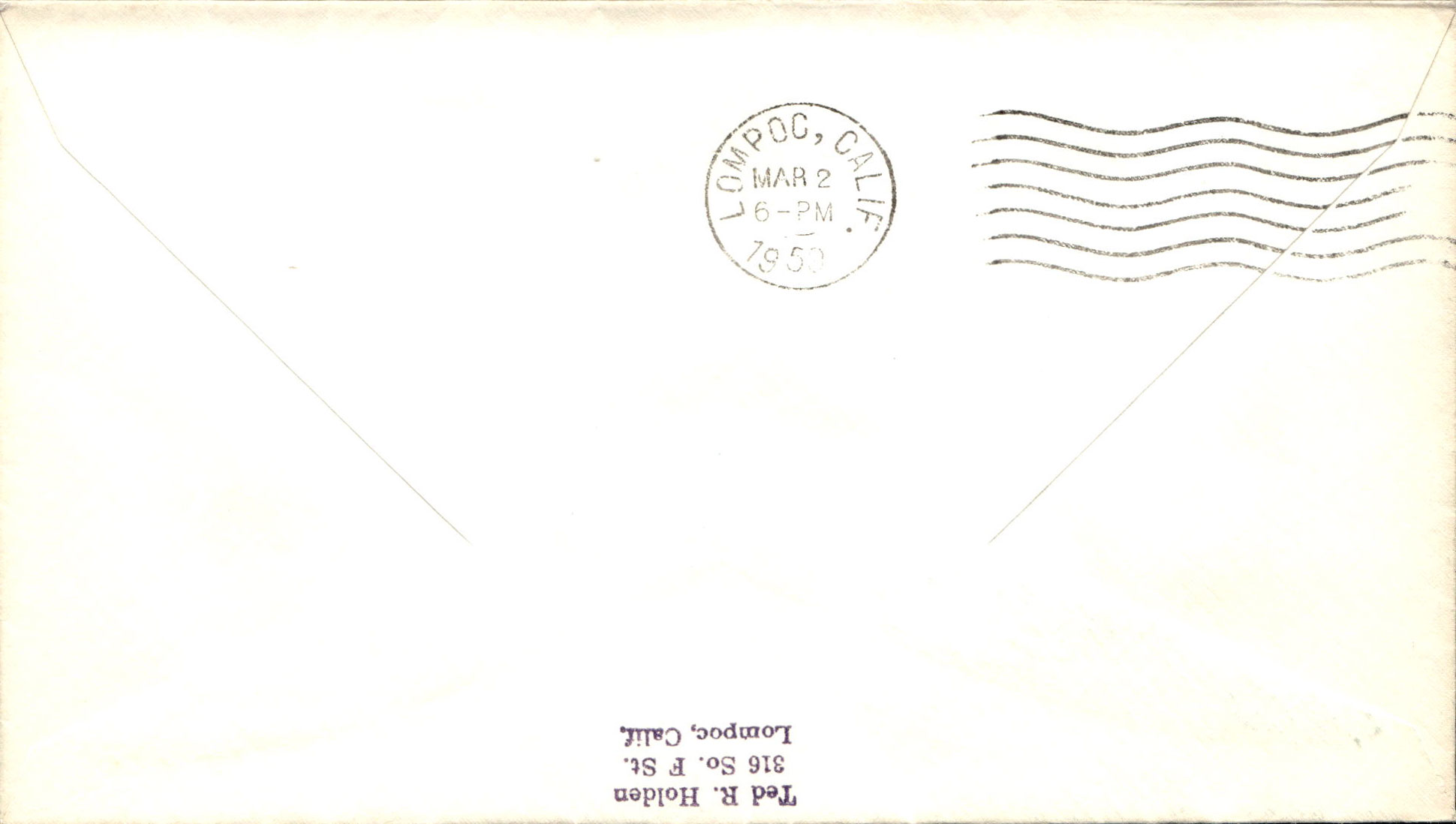
The back of the cover contains Ted's return address and a machine cancel from Lompoc on March 2nd, 1959 which was the Monday following the launch on Saturday the 28th.
Harold Flick cover, two color printed cachet depicting the polar orbit, back has same March 2nd machine cancel from Lompoc.
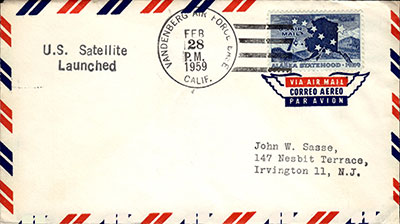
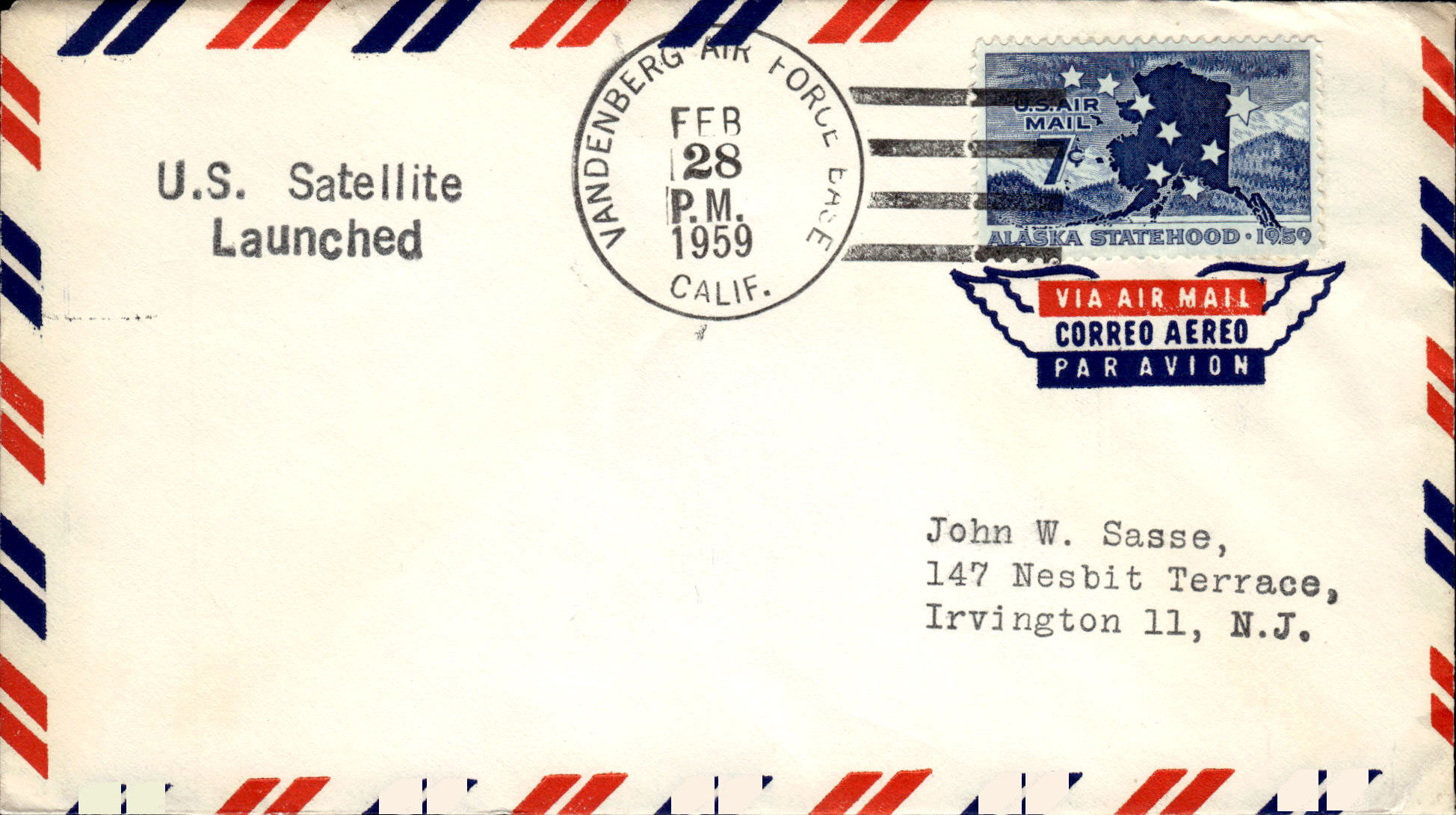
John Sasse cover, rubber stamp cachet, no cancel on back.
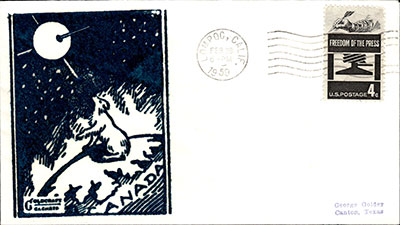
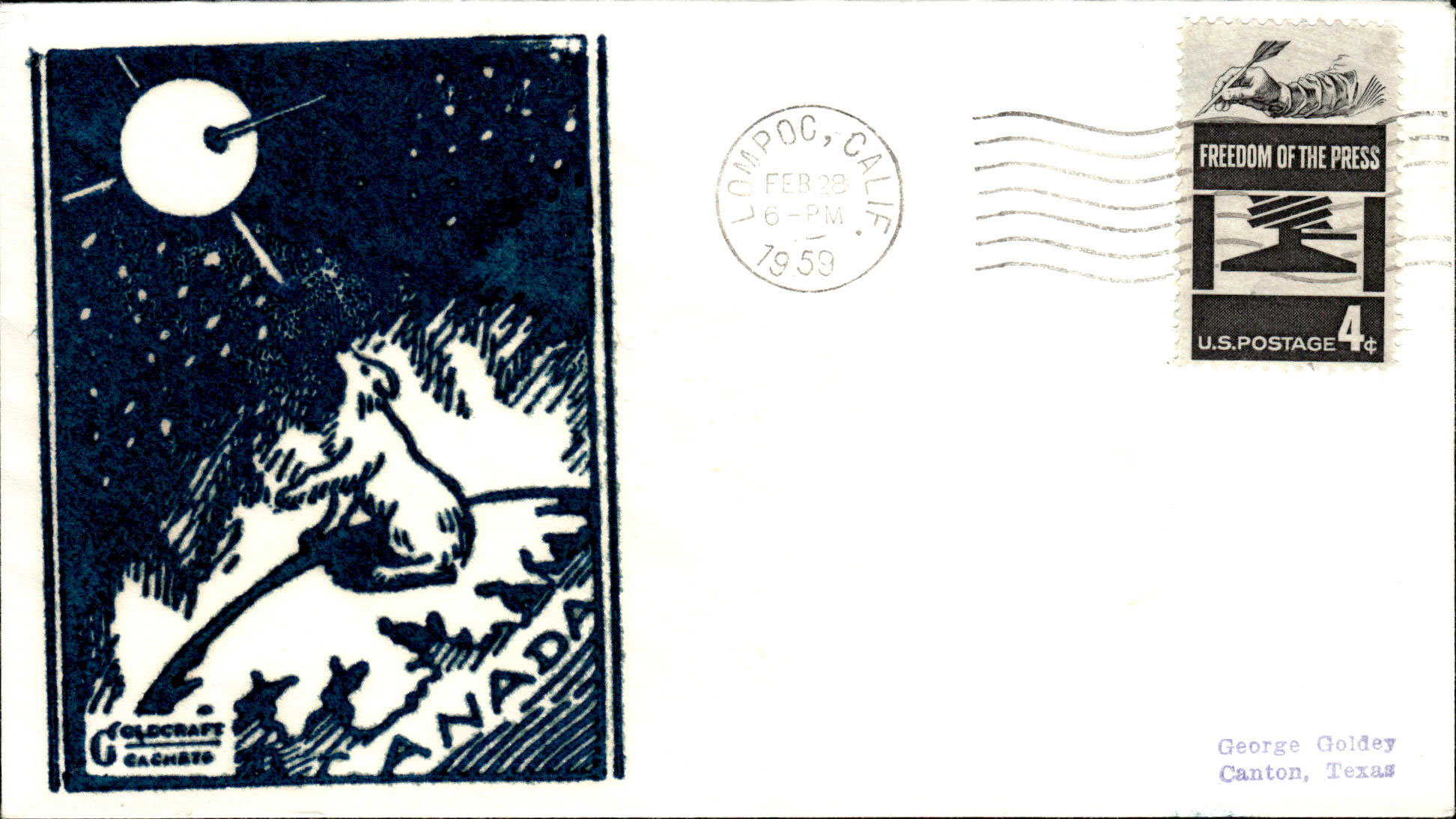
Goerge Goldey cover, thermographic cachet, machine cancel Lompoc, February 28th, 6pm, no cancel on back. Those that have held these Goldey Discoverer 1 covers in their hand will know that this specific cachet contains a massive about of raised ink to the touch. I imagine that after printing these, Goldey adjusted his cachet designs with more open area and less ink usage to produce a cleaner, sharper look and feel.







 posted 04-26-2026 11:45 AM



 advertisement